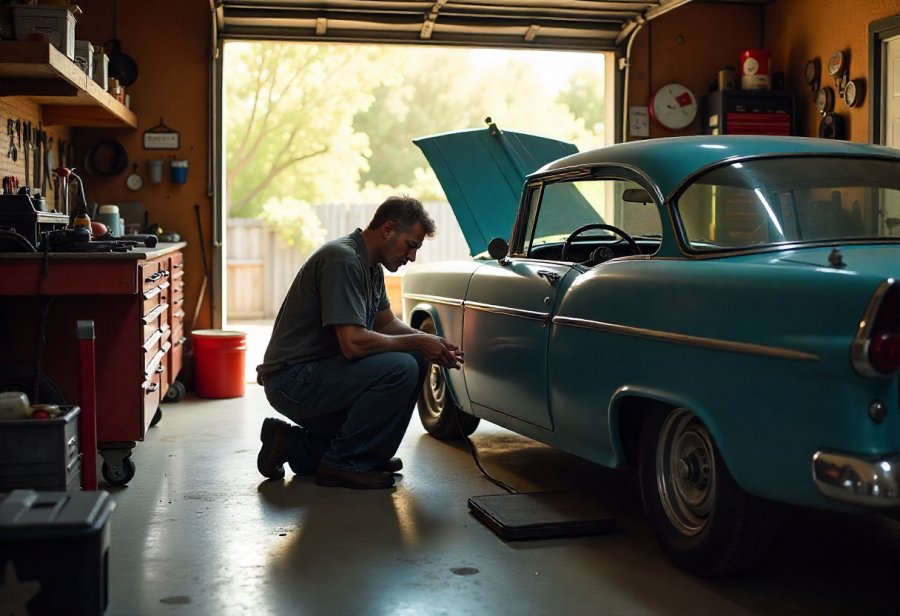
Learning to ride a bike is more than just a childhood skill; it’s a profound rite of passage that embodies courage, independence, and family bonds. From hesitant beginnings to triumphant independence, each wobble and fall teaches resilience and perseverance. But does the thrill of freedom outweigh the fear of falling? As children navigate these challenges, families gather in safe spaces, celebrating small victories that build confidence and trust. Historically, cycling has symbolized growth and self-reliance, evolving from trial-and-error to structured programs and technological innovations. Today, new tools like virtual reality, smart bikes, and gamified apps are transforming the learning experience, making it safer and more engaging. Will these advancements deepen children’s love for cycling while fostering resilience and safety? Embracing tradition alongside innovation ensures that the journey from wobbling beginner to confident rider remains a timeless, empowering milestone—one that extends far beyond the bike itself.
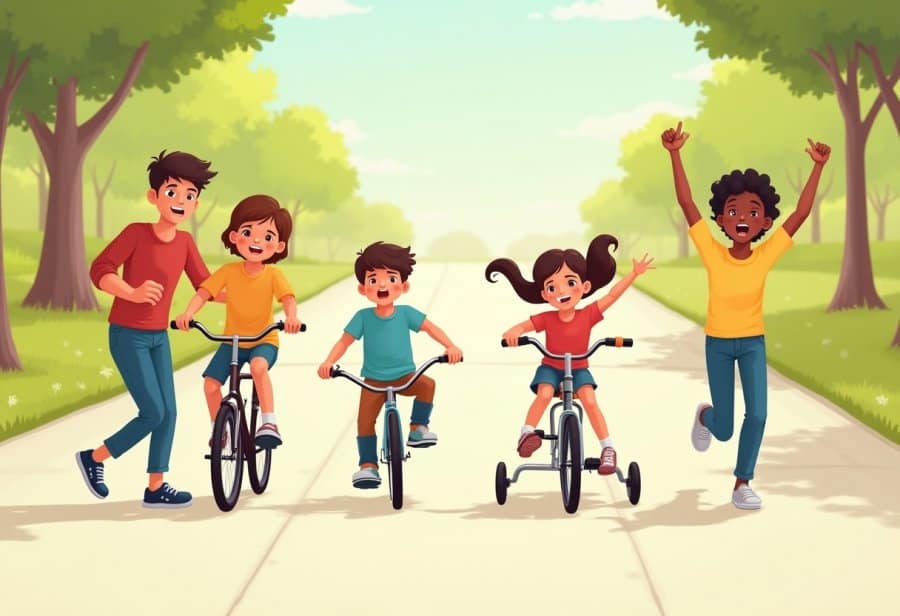
Celebrate the Milestone: Learning to Ride as a Journey of Growth and Family Bonding
Learning to ride a bike is more than just a childhood skill; it’s a milestone that signifies growth, independence, and family connection. From those first hesitant wobbles to that triumphant moment of balance, each step in learning to cycle is filled with emotion—nerves mixed with excitement and pride. Watching a child take those initial shaky pedals and then glide forward on their own creates a sense of achievement that families cherish and remember.
This experience is about more than mastering physical coordination; it’s about building trust—for oneself and with loved ones. Parents often jog alongside, offering steadying hands or encouraging words, turning what might seem like a simple lesson into a bonding moment. These shared efforts lay the foundation for confidence and resilience, teaching children that perseverance pays off and that they can overcome challenges with support.
Learning to ride a bike is also a universal symbol of growing independence. It’s a rite of passage that signals a shift from reliance on adults to exploration on one’s own. Families gather in parks, quiet streets, or open fields, creating safe spaces where children can practice freely. Each successful ride, no matter how small, reinforces their ability to navigate the world around them, fostering a sense of empowerment that extends beyond the bike.
The emotional journey involves navigating fears of falling alongside moments of joy and discovery. Every fall becomes a lesson in resilience, and every small victory builds confidence. Parents cheer for the tiniest progress—balancing longer, pedaling steadily, or steering without wobbling—encouraging children to see setbacks as part of growth, not failure.
This process is a shared adventure, infused with patience, encouragement, and celebration of progress. It’s a time when families come together, creating memories that last long after the first ride. Through these moments, children learn that persistence, support, and a positive attitude are essential ingredients for overcoming fears and embracing new challenges.
Ultimately, learning to ride a bike marks more than just acquiring a skill—it’s a step toward independence, resilience, and self-trust. It’s a universal story of courage, family bonds, and the joy of discovering that with a little support, every wobble can lead to a smooth ride.
A Legacy of Independence: Cycling’s Cultural and Historical Significance
Cycling has long stood as a symbol of childhood independence, with its significance stretching back over a century. When the safety bicycle first emerged in the late 1800s, it represented more than just a new mode of transportation; it became a gateway for children eager to explore beyond their immediate surroundings. Learning to ride was seen as a key step toward self-reliance, giving young adventurers the freedom to venture out on their own terms.
As bicycles gained popularity, communities started to view cycling as an essential part of growing up. Organized clubs, safety campaigns, and early competitions helped reinforce the idea that mastering riding skills was a rite of passage. These efforts emphasized safety and control, making cycling a trusted activity that parents could encourage. The introduction of safety gear like helmets and structured training methods further promoted riding as a safe, accessible activity for children.
Technological innovations also shaped how kids learned to ride. The invention of the safety bicycle’s design, with its equal-sized wheels, made balancing less intimidating. Initially, many children learned through trial and error, falling and getting back up. Over time, structured approaches such as training wheels, balance bikes, and supervised lessons emerged—methods that fostered confidence while minimizing risks. These innovations reflect a society increasingly focused on nurturing independence with safety at the forefront.
Cultural shifts played a crucial role as well. The rise of youth cycling clubs and national campaigns transformed riding from simple play into a milestone of resilience and achievement. Events like the Olympics showcased cycling’s significance as both a sport and a personal achievement, inspiring generations to see riding as more than just fun—it’s a symbol of effort and progress. Different regions adopted their own methods, from informal family teachings to organized community programs, all sharing the goal of fostering confident, independent riders.
Throughout history, the act of learning to ride has been intertwined with ideas of growth, resilience, and freedom. Society’s evolving approaches—moving from trial and error to structured training, from casual play to competitive events—highlight our enduring belief that independence is a vital part of childhood development. Cycling continues to symbolize a universal milestone, connecting generations through its enduring message of perseverance and self-reliance.
Today, that legacy persists as new innovations emerge. While traditional methods still thrive, digital tools, safety equipment, and community programs are making learning to ride more accessible and engaging than ever. The journey from hesitant beginner to confident rider remains a powerful rite of passage, echoing the timeless importance of independence and resilience in childhood. Cycling’s historical and cultural significance reminds us that, at its core, learning to ride is about more than just pedaling—it’s about stepping into a world of possibility with support and courage.
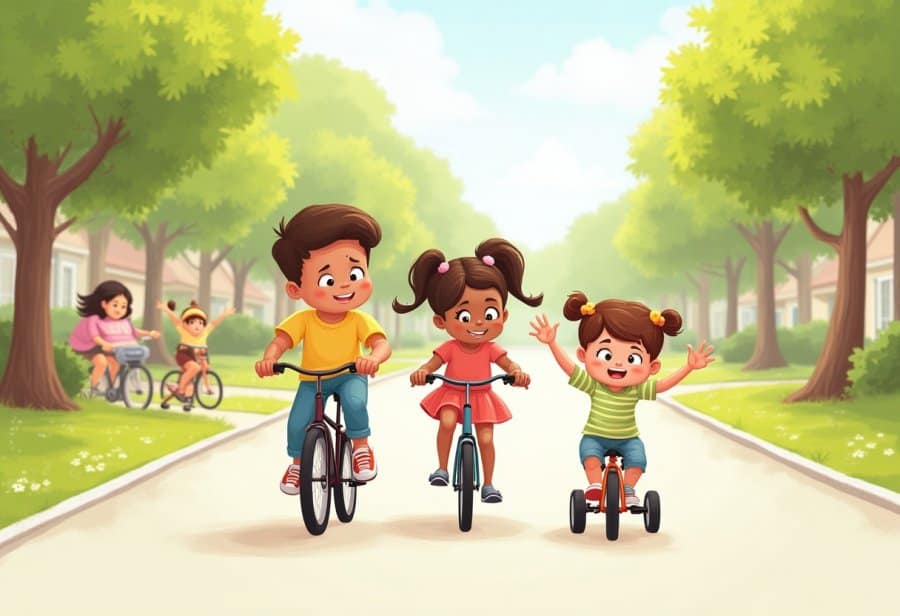
Adapting to Our World: Modern Practices and Community Variations in Learning to Ride
Today, the way children learn to ride bikes varies significantly depending on where they live and their community resources. In many Western countries, parents often introduce children to riding with balance bikes or training wheels. These tools help kids focus on balancing and steering without the pressure of pedaling right away, allowing them to build confidence gradually. Many families choose quiet neighborhoods, parks, or schoolyards for practice, creating safe spaces where children can experiment and learn at their own pace without the added stress of traffic or crowds.
In urban areas, community bike programs and school initiatives are increasingly common. These programs provide organized lessons, dedicated riding spaces, and safety gear, making learning to ride more accessible and less intimidating. Group rides supervised by instructors foster camaraderie among children, while professional guidance helps them develop essential skills like braking, steering, and navigating turns. These structured approaches emphasize safety and consistency, helping kids become confident riders and reducing their fears of traffic or busy streets.
In contrast, children in some developing regions often learn more informally. They might pick up cycling through family members, friends, or by exploring open spaces like dirt paths, fields, or playgrounds. This freedom to experiment, fall, and try again fosters resilience and independence. However, without formal instruction or safety equipment, there’s a higher risk of injury. Parental guidance and community support are vital here to ensure safe learning and to help children develop skills confidently.
Technological advances are also shaping how children learn to ride today. Lightweight bikes, adjustable training aids, and safety gear make the process easier and more comfortable. Some parents incorporate apps or digital tutorials that gamify the learning experience, keeping kids engaged and motivated. These tools allow children to learn at their own pace, turning a potentially stressful milestone into an enjoyable adventure that boosts confidence.
Regardless of the method, patience and encouragement remain essential. Celebrating small victories—like balancing longer or pedaling steadily—helps children stay motivated and see progress. Creating a positive environment, where mistakes are viewed as part of learning rather than failures, encourages resilience and a growth mindset. Parents’ reassurance and praise foster a love for riding rather than fear or frustration.
As children practice more, riding begins to feel more natural. Muscle memory develops, reflexes sharpen, and they start to explore further afield. This growing independence is empowering; it teaches children that they can navigate their environment on their own wheels. Safe, supportive practice sessions—whether on a quiet street or in a community park—are key to building this confidence and competence.
In all settings, the goal is to cultivate a sense of independence and joy in riding. Whether through informal play or structured lessons, the focus remains on making the experience safe, fun, and encouraging. Parents and caregivers play a pivotal role by providing support, celebrating progress, and helping children see challenges as opportunities to grow. This balanced approach ensures that learning to ride becomes not just a skill, but a memorable step toward confidence and self-reliance.
From First Wobbles to Confidence: The Skills That Transform Beginners into Independent Riders
Transitioning from beginner to confident rider involves mastering a series of interconnected skills that build on each other naturally. The journey starts with developing good balance and coordination. When children can stay upright without wobbling, they gain a sense of control that motivates them to pedal and steer simultaneously. This feeling of mastery sparks their desire to push further, trying to navigate small obstacles or make turns with more precision.
As confidence grows, children begin managing their speed, braking smoothly, and responding to changes in their environment. Practicing these skills repeatedly helps muscle memory develop, making actions instinctive rather than deliberate. Kids often surprise themselves when they realize they can handle turns or stop quickly without losing stability. Supportive encouragement during this process is vital; it reassures children that setbacks are part of learning, not failures.
Frequent, short practice sessions accelerate progress. With each ride, muscles become more familiar with balancing and steering, and reflexes sharpen. Over time, riding feels more natural, and children start exploring further distances and more varied terrains. This expanding independence not only boosts their confidence but also fosters a sense of trust in their abilities to navigate their surroundings on two wheels.
Parents and caregivers play a key role by providing a safe space for practice and celebrating small victories. Praising efforts like maintaining balance longer or pedaling steadily reinforces positive habits and keeps motivation high. When children see mistakes as opportunities for growth, they develop resilience, understanding that persistence is essential. Creating an environment that emphasizes patience and support turns the learning process into an enjoyable adventure rather than a stressful challenge.
As skills solidify, riding becomes fluid and automatic. Children can handle turns with ease, brake confidently, and respond swiftly to obstacles. This marks their transition from hesitant beginners to independent riders, capable of exploring new routes and taking on new challenges. More than just mastering a physical activity, they learn vital lessons about perseverance, self-trust, and resilience—traits that extend far beyond the bike.
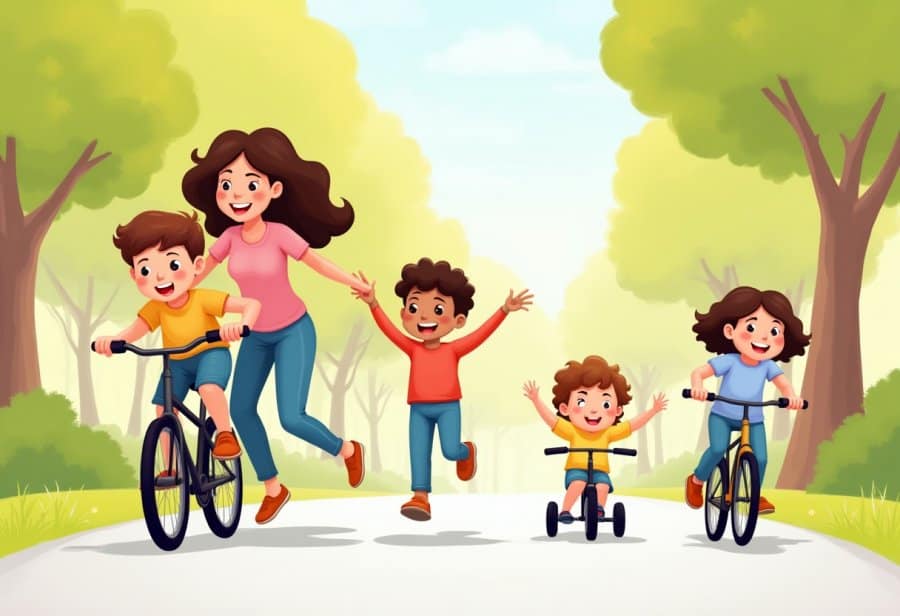
Innovating Riding Lessons: The Future of Children’s Cycling Education and Technology
Looking ahead, the way children learn to ride bikes is poised to become more engaging and safer thanks to rapid technological advancements. Virtual and augmented reality are starting to reshape training tools, offering immersive environments where kids can practice balancing and steering without fear of falling. These virtual experiences help build confidence early on, making the transition to real bikes smoother and less intimidating. As the technology becomes more accessible, it could revolutionize how children approach their first rides, turning a nerve-wracking milestone into an exciting adventure from the comfort of home.
Smart bikes and helmets equipped with sensors are also transforming the learning process. These devices monitor a child’s balance, speed, and movements in real time, providing instant feedback to both kids and parents. This data-driven approach allows for personalized coaching, helping children identify and correct mistakes more efficiently. With safety alerts and progress tracking, children can push their limits confidently, knowing that support is just a tap away. This combination of safety tech and real-time feedback creates a safer, more encouraging environment for young riders.
On the educational front, adaptive training bikes and gamified apps are gaining popularity. These tools adjust to each child’s pace, turning learning into a fun challenge rather than a chore. Earning points or unlocking levels keeps kids motivated, fostering a positive attitude toward mastering new skills. Such innovations make the learning process more personalized, less frustrating, and more likely to instill a lifelong love of cycling.
Community programs and online platforms are expanding access to quality cycling education. Local bike schools, virtual courses, and peer-to-peer networks offer diverse learning options, making it easier for children across different regions to develop their skills safely. These initiatives also promote responsible riding habits and safety awareness, ensuring that the joy of cycling is paired with a sense of responsibility. Connecting children and families through shared learning experiences helps nurture a supportive cycling culture that extends beyond individual milestones.
Staying current with these innovations requires parents and instructors to be proactive. Attending workshops, following industry experts, and engaging with local cycling groups can provide valuable insights into the latest trends. Many organizations now offer updated safety guidelines and innovative teaching methods that make learning to ride more effective and enjoyable. Embracing these tools and ideas will help ensure that children’s journey from wobbling beginner to confident rider is smoother, safer, and more exciting.
As these technologies evolve, the future of learning to ride looks brighter than ever. Combining digital tools, safety innovations, and community support creates a comprehensive ecosystem that nurtures independence from an early age. Children will be able to explore their surroundings with confidence, knowing they have the skills and safety measures in place. This ongoing innovation not only encourages kids to ride more often but also teaches them resilience, responsibility, and joy—lessons that extend well beyond the bike.
In the years to come, cycling education will likely become more personalized and accessible, breaking down barriers for children of all backgrounds. Whether through virtual reality, smart devices, or community-driven programs, the goal remains the same: to foster safe, confident, and enthusiastic young riders. These advancements promise a future where every child’s first bike ride is not just a moment of courage, but the start of a lifelong passion for movement and independence.
Ultimately, the future of learning to ride is about blending tradition with innovation. While hands-on practice and family support will always be fundamental, digital and technological tools will enhance the experience, making it safer and more engaging. By harnessing these trends, we can help children develop not only cycling skills but also a sense of resilience and joy that will serve them throughout life. The journey from wobbling beginner to confident rider is becoming more exciting—and more accessible—than ever before.