What if the greatest obstacle to learning to swim isn’t technical skill but mental barriers like fear and doubt? This inspiring journey reveals how beginners of all ages can transform water from a source of anxiety into a space of confidence and freedom. By focusing on small, manageable steps—such as floating or splashing in shallow water—learners gradually rebuild trust in their abilities, fostering resilience and independence. Modern approaches, supported by technology like virtual reality and community programs, emphasize emotional comfort alongside skill acquisition, making the process more accessible and less intimidating. As water confidence grows, so do safety, recreational opportunities, and a positive mindset that extends beyond the pool. With patience and support, anyone can overcome fears and unlock a lifetime of water adventures. Isn’t it time to ask yourself: what if your first courageous step is all you need to transform your relationship with water?
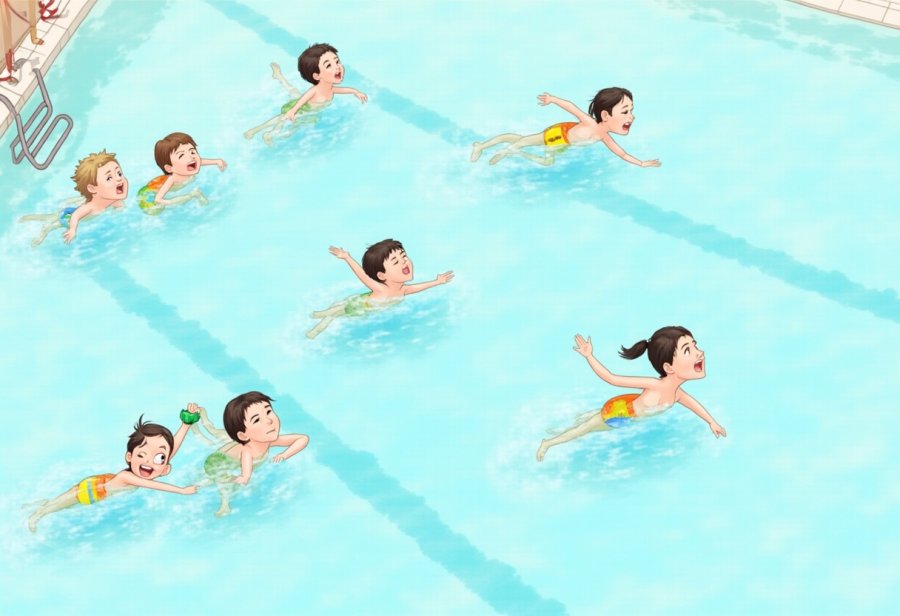
Transform Your Perspective: The Life-Changing Journey of Learning to Swim
Learning to swim is about more than just mastering strokes or floating techniques; it’s a skill that can truly transform how you see water and yourself. Whether you’ve never felt comfortable in the water or are finally confronting a childhood fear, taking that first step can open doors to confidence, safety, and new experiences. It’s not just about physical ability—it’s a journey toward feeling at ease in an environment that once felt intimidating or out of reach.
For many adults, the biggest hurdle isn’t technical skill but mental barriers like fear or self-doubt. Overcoming these obstacles begins with small, manageable goals—like splashing in shallow water or floating briefly—that gradually build trust in your own abilities. These tiny wins help you regain a sense of control, making water feel less threatening and more inviting. Approaching swimming as a gradual process keeps motivation high and prevents frustration from setting in.
Getting started often feels overwhelming, especially if nerves are involved. The key is to take small, deliberate steps—spending time in shallow water where you can comfortably stand, using tools like kickboards or floaties for stability. This gentle progression allows you to focus on simple movements without the fear of sinking. As confidence grows, so does your comfort level, encouraging you to push just a little further at your own pace.
Changing how you view water plays a crucial role in overcoming fears. Instead of seeing it as dangerous or uncontrollable, try to see water as a space for growth and exploration. Techniques like deep breathing, visualization, and positive affirmations can help calm nerves and reinforce a sense of safety. Each small success—whether floating unaided or taking a few independent strokes—strengthens your trust in your abilities and fosters a mindset of resilience.
Many adults discover late in life that water confidence is achievable with patience and persistence. Inspiring stories of people in their 50s or 60s overcoming fears highlight that it’s never too late to start. Supportive instruction, consistent practice, and a focus on progress rather than perfection make this journey accessible for everyone. These experiences show that water fears are not insurmountable barriers but challenges that can be overcome step by step.
Ultimately, learning to swim transforms not just your physical skills but your relationship with water. It offers lifelong benefits—greater safety, more recreation, and a sense of independence. Embracing the process, celebrating small wins, and trusting in your capacity to grow turn what once seemed daunting into a source of joy and confidence. This journey can unlock a lifetime of water adventures and peace of mind.
Breaking Barriers: Psychological Foundations and First Steps to Water Confidence
Learning to swim involves more than just mastering strokes or floating techniques; it’s deeply rooted in psychological readiness and building trust in the water. For many adults, the biggest barriers aren’t technical skills but mental hurdles like fear, doubt, or anxiety. Overcoming these fears starts with setting small, achievable goals—such as splashing in shallow water or floating for a few seconds—that help gradually foster confidence. These tiny victories create a sense of control and make the water less intimidating over time.
Breaking the process into manageable steps is key. Starting in shallow water where you can stand comfortably allows you to get used to the environment without feeling overwhelmed. Using tools like kickboards or floaties provides stability, helping you focus on basic movements while feeling secure. This gentle progression encourages patience and persistence, shifting the focus from speed to comfort and familiarity.
Mental techniques like visualization and relaxation are powerful allies in this journey. Imagining yourself floating effortlessly or swimming with ease helps reframe your mindset. Deep breathing exercises calm nerves and reduce panic, making it easier to stay relaxed even in unfamiliar situations. These mental tools build a positive association with water, reinforcing trust and reducing anxiety as you progress.
Progress might feel uneven—some days will be easier, others more challenging—but recognizing this as part of the learning process keeps motivation alive. Celebrating small wins, like floating unaided or taking independent strokes, reinforces your growing confidence. Consistency and patience turn water confidence from a distant goal into a tangible reality, shaping your mindset for success.
Changing how you perceive water is central. Instead of viewing it as dangerous or uncontrollable, see water as a space for growth and exploration. Supportive instruction, along with positive affirmations, helps reshape your relationship with water, making each step more manageable. This approach nurtures trust in your abilities and makes overcoming fears a shared, achievable goal.
Many adults find that water confidence is within reach, regardless of age. Stories of those in their 50s or 60s overcoming fears demonstrate that with patience, gradual exposure, and supportive guidance, learning to swim is possible at any stage of life. This journey isn’t just about technical skills—it’s about transforming your mindset and developing a lifelong sense of water safety and confidence.
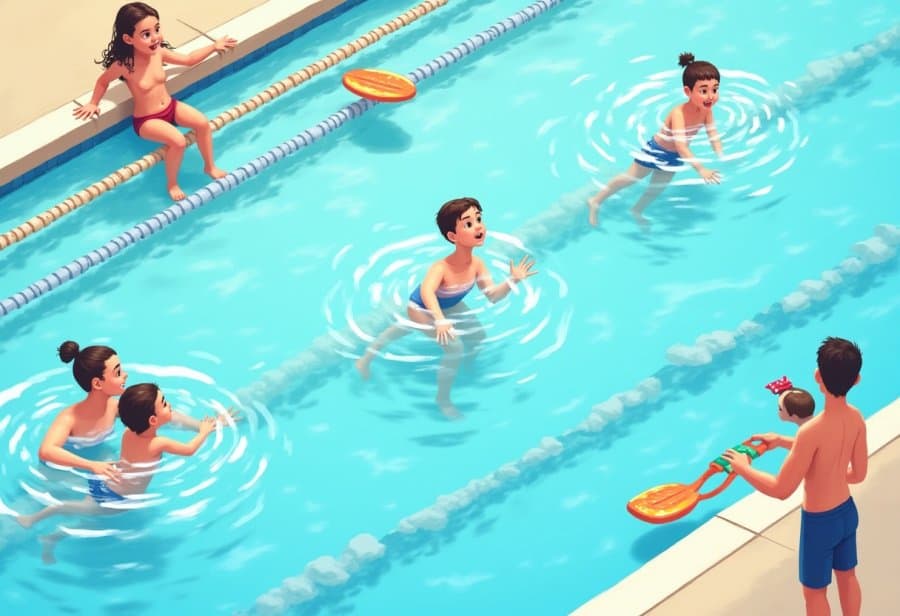
Innovations and Attitudes: How Modern Approaches Are Shaping Adult Swimming Education
In recent years, the way adults learn to swim has shifted significantly toward building confidence and comfort before focusing on technical skills. Modern programs prioritize creating a positive, supportive environment where learners feel safe and encouraged, recognizing that overcoming water-related fears often hinges more on mindset than physical ability. This approach allows adults to progress at their own pace without feeling pressured to master strokes immediately, making the journey less intimidating and more sustainable.
Technology is playing an increasingly vital role in these new methods. Virtual reality tools now help learners visualize water environments and rehearse techniques in a simulated setting, reducing anxiety and boosting confidence before they step into a pool. Video analysis offers immediate feedback, enabling adults to see their progress clearly, correct mistakes, and stay motivated. Such tools break down complex skills into manageable steps, making learning more engaging and personalized.
Community-based programs and social swim groups have gained popularity for their emphasis on camaraderie and shared progress. These settings foster a sense of belonging that eases anxiety and normalizes water fears. Instead of feeling like they’re competing against others, adults find reassurance in relaxed, supportive environments that encourage consistent practice. This social aspect plays a crucial role in overcoming psychological barriers, transforming water confidence from a daunting challenge into an attainable goal.
Societal attitudes toward adult swimming have also evolved. It’s now widely understood that water confidence isn’t solely a childhood skill; it’s a vital life ability for everyone. Organizations actively promote water safety as an essential component of personal safety at any age, which helps combat stigma and encourages more adults to take the plunge. This cultural shift makes it more acceptable—and even expected—for adults to learn or improve their swimming skills, regardless of their background or fears.
Instructional techniques now often integrate psychological support alongside physical training. Relaxation exercises, positive affirmations, and gradual exposure help reframe negative perceptions of water, reducing anxiety and fostering trust. These methods create a safe mental space for learners, making each small step feel more manageable and reinforcing their belief in their ability to succeed.
Flexibility in learning options has expanded dramatically. Online tutorials, private lessons, and local workshops allow adults to choose formats that suit their schedules and comfort levels. Blending in-person coaching with virtual check-ins makes the process accessible and adaptable, helping learners stay committed even when initial fears are strong. This versatility makes overcoming water fears more achievable for a diverse range of adults.
Despite these advancements, misconceptions persist. Many believe it’s too late or too difficult to learn to swim, which can hold them back from even trying. Others assume that overcoming water fears requires extensive therapy or special skills. In reality, with patient guidance, modern tools, and supportive environments, most adults can develop water confidence—showing that age is no barrier to transformation.
Looking ahead, the trend points toward even more inclusive, innovative approaches. Advances in virtual reality and personalized coaching will likely become standard, making learning more accessible and less intimidating. As society increasingly recognizes water confidence as a lifelong skill, more adults will feel empowered to take that first step. These developments promise a future where overcoming water fears is not just possible but commonplace, opening up a lifetime of safety, recreation, and joy in the water.
Beyond the Pool: Practical Benefits and Lifelong Applications of Swimming Skills
Learning to swim offers practical benefits that extend far beyond the pool. Knowing basic water survival skills, like floating or treading water, can be crucial in unexpected situations. Whether you slip at a dock, fall into a river, or find yourself in a pool gone wrong, these skills can help you stay calm and conserve energy until help arrives. Being confident in your water abilities increases your chances of reacting effectively and can even save lives, including your own or others’ in emergencies.
Apart from safety, swimming opens doors to countless recreational activities. With water confidence, you can enjoy beaches, lakes, and pools without hesitation. Water sports like kayaking, paddleboarding, or snorkeling become accessible and enjoyable, transforming water from a source of fear into a space for adventure and fun. These activities promote physical health, boost mood, and foster social connections, making water a place for shared experiences rather than anxiety.
Swimmers also benefit physically. Water-based exercise provides a low-impact workout that engages multiple muscle groups, improves cardiovascular health, and increases flexibility. For many, swimming becomes a sustainable part of a healthy lifestyle—something that’s easier to stick with because it’s enjoyable. Learning to swim at any age turns physical activity into a positive, confidence-building experience, helping you stay active and independent long-term.
The mental boost from mastering water skills is equally significant. Overcoming fears and gaining competence in water fosters resilience and self-trust that spill over into everyday life. It encourages patience, persistence, and a problem-solving mindset. When fears are replaced with confidence, approaching new or challenging situations outside the water becomes less intimidating. Water confidence, therefore, isn’t just about swimming—it’s about building a mindset that supports safety, health, and personal growth.
Finally, being able to swim comfortably enhances your social life. Whether joining a local swim group, organizing family outings, or taking vacations to the beach, water confidence creates opportunities for connection and shared joy. It transforms water from a source of worry into a space for recreation, bonding, and lifelong memories. Learning to swim doesn’t just add a skill; it enriches your entire lifestyle with safety, health, and happiness.
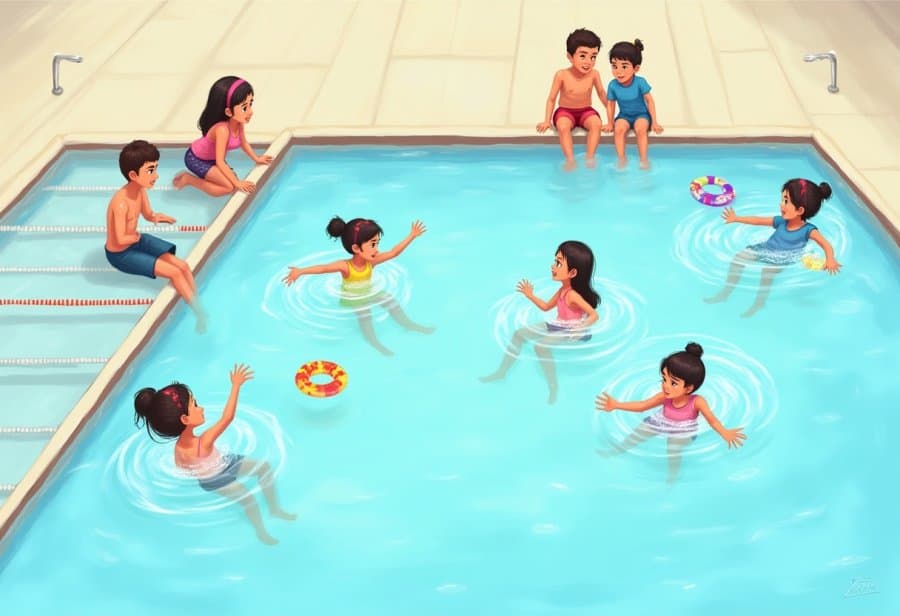
A Splash into the Future: Emerging Trends and the Evolving Culture of Adult Water Confidence
The future of learning to swim looks brighter and more accessible than ever, thanks to ongoing technological innovations and a shift in societal attitudes. Virtual reality is beginning to play a bigger role, allowing learners to visualize water environments and practice techniques in a safe, simulated space. This not only reduces anxiety but also helps build confidence before stepping into the pool, making the journey less intimidating. Paired with advanced video analysis tools, learners receive immediate feedback, helping them see their progress clearly and correct mistakes in real time. These developments make water confidence more attainable and personalized, especially for adults facing fears.
At the same time, community-based programs and social swim groups are gaining popularity, emphasizing support and shared progress. These environments foster a sense of belonging that can ease anxiety and normalize water fears. Instead of feeling like they’re competing or rushing, adults are encouraged to move at their own pace, building trust and resilience through consistent practice. As more people recognize that water confidence isn’t just a childhood skill but a vital life ability, organizations are promoting inclusive, lifelong learning models that focus on safety, comfort, and enjoyment.
The cultural view of swimming is also evolving. More than ever, adults see learning to swim as an empowering step toward independence and safety. This shift helps reduce stigma and encourages people of all ages to embrace water as a space for growth, recreation, and connection. Instruction now often includes psychological support—like relaxation techniques and positive affirmations—which help reframe fears and foster a trusting relationship with water. These methods make the process more welcoming and less daunting, inspiring even the most apprehensive learners to take that first leap.
Looking ahead, personalized coaching will become more prevalent, blending traditional lessons with cutting-edge digital tools tailored to individual needs. Virtual reality, augmented reality, and mobile apps will make practicing techniques more flexible and less intimidating, allowing adults to overcome mental barriers from anywhere. As these innovations become more widespread, overcoming water fears will feel less like a challenge and more like a natural part of lifelong learning. Society’s increasing recognition of water confidence as a core skill will further motivate adults to start—and stick with—their journey.
All these trends point toward a future where learning to swim is more inclusive, engaging, and empowering for everyone. Advances in technology and shifting perceptions will continue breaking down barriers, making water confidence a realistic goal for adults at every stage of life. This evolving landscape promises not only safer waterways but also a lifelong sense of freedom, adventure, and connection—opening up a world of water experiences that anyone can enjoy.