What makes the Ford Mustang an enduring icon of American muscle and freedom? Since its debut in 1964, the Mustang has embodied bold design, exhilarating performance, and cultural rebellion, capturing the spirit of independence across generations. From its origins as an accessible yet powerful car to its evolution through redesigns that blend tradition with innovation, it continues to symbolize adventure and self-expression. Its iconic silhouette, performance upgrades, and pop culture presence cement its legendary status, while modern models incorporate advanced technology and sustainability efforts without losing their primal edge. But can the Mustang maintain its legendary appeal in a rapidly changing automotive landscape driven by electrification and eco-consciousness? As Ford innovates with hybrid and electric variants, the question remains—will the Mustang’s legacy of power, style, and rebellious spirit survive the future, or will it transform into something entirely new yet still unmistakably iconic?
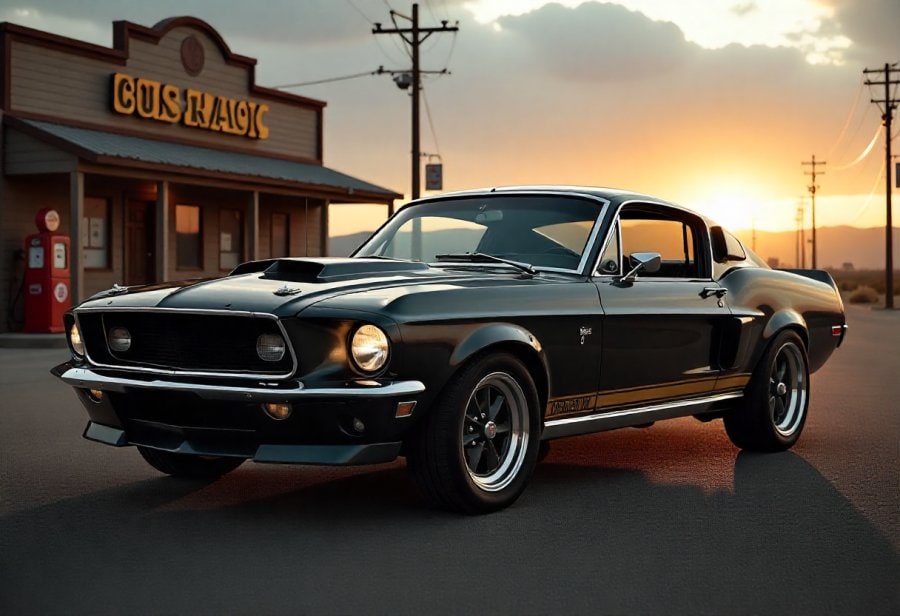
Discover the Significance of the Ford Mustang as an American Icon
The Ford Mustang isn’t just a car; it’s a symbol that has come to define American automotive culture. Since its debut in 1964, the Mustang has stood out as an icon of innovation, style, and freedom on wheels. Its bold design and performance capabilities quickly elevated it beyond mere transportation—it became a statement of independence and individuality that struck a chord with drivers across the nation. From the very beginning, the Mustang embodied the spirit of the muscle car era, capturing the thrill and accessibility that made American cars exciting.
What truly sets the Mustang apart is how it reflects cultural shifts over the decades. During the 1960s and early 1970s, it became a symbol of youthful rebellion and adventure. Its sleek silhouette, with a long hood and aggressive stance, made it instantly recognizable and aspirational. More than just a vehicle, it was an extension of personal identity—a way for drivers to express their freedom and desire for excitement.
Over the years, the Mustang has continuously evolved, blending modern technology and sleek design with its classic roots. Each new generation has built on its legacy, introducing innovations that keep the model fresh while maintaining its core appeal. From the original pony grille to contemporary fastback styles, design details continue to evoke a sense of motion and power, even when the car is stationary. This visual language ensures the Mustang remains a cultural icon, resonating with both longtime enthusiasts and new drivers.
Performance has always been central to the Mustang’s identity. Early models offered a range of engines, from modest inline-6s to mighty V8s, providing options for everyday use or high-speed thrills. Today’s Mustangs push performance even further, featuring turbocharged engines and advanced handling systems that deliver speed, safety, and comfort. This ongoing commitment to performance keeps the Mustang relevant and exciting in a competitive market, fueling its status as a true American muscle car.
Beyond its design and speed, the Mustang embodies a broader sense of freedom and American spirit. Its appearances in movies like “Bullitt,” its role in music and media, and its presence on roads across the country have cemented its place in pop culture. It’s more than a car; it’s a narrative—stories of rebellion, adventure, and possibility—carried forward through every generation. The Mustang’s legacy is woven into American history, inspiring drivers to chase their own dreams of independence.
As the automotive landscape shifts toward electrification and sustainability, the Mustang’s ability to adapt will determine its future. Yet, its core remains unchanged: a vehicle built on a foundation of power, style, and cultural resonance. Each redesign and technological upgrade promises to keep that legacy alive, ensuring the Mustang’s place in the hearts of enthusiasts and newcomers alike for years to come. It’s a living legend—always evolving, yet forever true to its roots.
Tracing the Origins and Evolution of the Mustang from Inception to Today
The story of the Ford Mustang begins in 1964, when Ford introduced a vehicle that would redefine the American muscle car landscape. Its sleek, aerodynamic design combined with a powerful yet affordable engine lineup instantly captured the public’s imagination. The Mustang’s long hood and short rear deck, paired with the now-iconic pony emblem, set a new standard for sporty, stylish cars aimed at young drivers eager for excitement and individuality. Its debut marked a shift in automotive marketing—focusing on fun, freedom, and personal expression—making it an immediate hit and establishing the pony car segment.
This launch was a game-changer, as Ford’s strategic approach of offering a smaller, performance-oriented car at a lower price point resonated with a broad audience. The Mustang’s combination of affordability and high performance created a new niche that appealed to those craving speed without the hefty price tag of traditional muscle cars. Within months, over a million units had been sold, cementing its status as an American icon and a symbol of youthful rebellion.
Throughout the 1960s and early 1970s, the Mustang evolved through redesigns that reflected shifting tastes and technological advances. It introduced a range of engine options—from efficient inline-6s to roaring V8s, including the legendary Shelby variants—each catering to different kinds of drivers. Its aggressive stance, wide tires, and distinctive grille made it a favorite on both the streets and the big screen, with films like “Bullitt” helping to embed it into popular culture. These elements reinforced the Mustang’s identity as more than just a car—it became a cultural phenomenon.
As the decades progressed, the Mustang underwent several redesigns, balancing tradition with innovation. The 1974 model adopted a more aerodynamic shape, while later versions incorporated retro styling cues that paid homage to its roots. Despite changes in size, shape, and technology, the core principles remained intact: performance, bold design, and accessibility. This adaptability allowed the Mustang to stay relevant, even as automotive trends shifted and competition increased.
In the 2000s, Ford revived a retro-inspired look, blending modern engineering with nostalgic design elements. Features like turbocharged engines, advanced suspension systems, and driver-focused technology kept the Mustang competitive and appealing. Today’s models continue this evolution, offering impressive horsepower and handling capabilities that attract both dedicated enthusiasts and new drivers. The ongoing development demonstrates how the Mustang seamlessly merges its storied past with a forward-looking vision.
From its inception as a compact, sporty car to its status as a global icon, the Mustang’s development reflects a remarkable ability to adapt without losing its identity. Its journey embodies a blend of innovation, cultural influence, and enduring appeal—an automotive legend that continues to inspire. With each new generation, the Mustang reaffirms its place as a symbol of American muscle, power, and freedom, firmly rooted in history yet always driven toward the future.
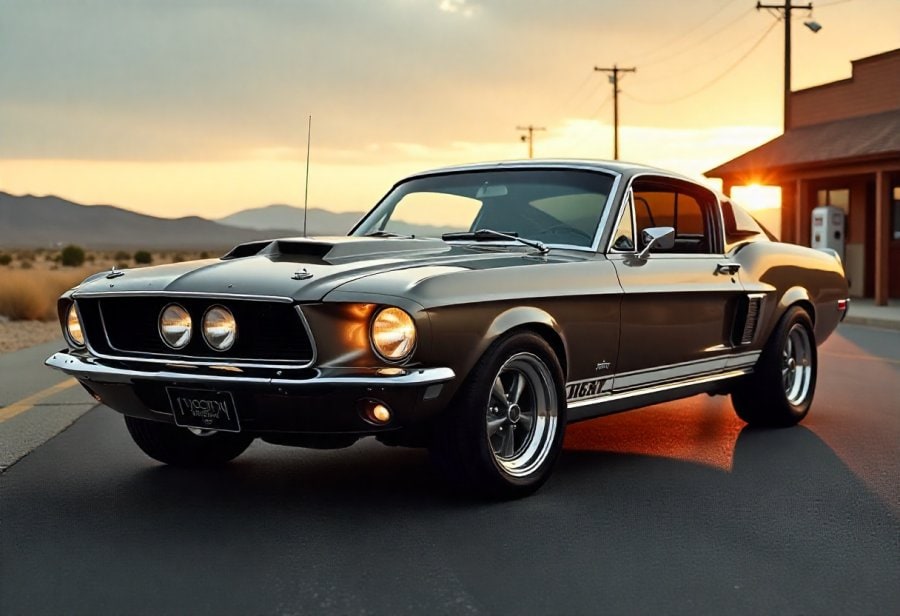
Uncovering the Secrets Behind the Mustang’s Enduring Allure
The enduring appeal of the Ford Mustang lies in its perfect blend of timeless design and continuous innovation. Its iconic silhouette, characterized by the pony grille and sleek proportions, instantly signals speed and American muscle. These design details aren’t just aesthetic—they evoke a sense of freedom, rebellion, and adventure that remains compelling across generations. The Mustang’s visual language has become a symbol of performance and independence, making it recognizable and aspirational whether on modern highways or vintage streets.
Performance power is at the core of the Mustang’s lasting relevance. Ford has consistently upgraded its engines and handling, ensuring each new model delivers exhilarating speed and control. From the early inline-6s and V8s to today’s turbocharged and high-performance variants, the Mustang has maintained its reputation for raw power. Modern suspension systems, electronic stability controls, and advanced drivetrain technologies enhance driving dynamics, making the car not only fast but also safe and responsive—qualities that keep enthusiasts engaged and newcomers impressed.
Beyond aesthetics and performance, the Mustang’s cultural significance cements its status as an icon. Its appearances in movies like “Bullitt” and “Gone in 60 Seconds,” along with countless songs, TV shows, and ads, have woven it into the fabric of American pop culture. The car symbolizes independence and daring, inspiring stories of rebellion and adventure. This emotional connection goes beyond mere ownership; it creates a shared identity among fans and drivers who see the Mustang as more than a vehicle—it’s a statement of self-expression and freedom.
The Mustang’s ability to adapt without losing its core identity ensures its relevance today. While purists cherish the classic design and raw performance, modern models incorporate cutting-edge safety features, fuel efficiency, and connectivity. This balance allows the Mustang to meet current societal needs while honoring tradition. Its versatility appeals to a broad audience, from nostalgic collectors to performance enthusiasts, helping it stay vibrant and desirable across decades.
Ultimately, the Mustang’s staying power comes down to its emotional resonance. It embodies values like independence, individuality, and daring—traits that resonate deeply with many people. Its design, performance, and cultural stories forge a strong bond that keeps the Mustang alive in the collective imagination. As long as it continues to evolve thoughtfully, the Mustang will remain a symbol of American muscle and freedom, inspiring new generations to chase their own adventures on the open road.
How the Mustang Continues to Influence Modern Car Culture and Innovation
The Ford Mustang’s relevance today extends far beyond its iconic status as a symbol of American muscle. It continues to ignite passion among enthusiasts and everyday drivers alike, serving as both a nostalgic classic and a modern performance machine. Restorers and collectors prize vintage Mustangs for their timeless design, often upgrading them with contemporary technology to blend old-school charm with modern reliability. This ongoing cycle of restoration and customization keeps the Mustang’s legacy alive, fostering a vibrant community that shares a deep appreciation for its history and performance.
The influence of the Mustang extends into broader car culture, where it functions as more than just transportation. Many owners see their vehicle as a personal statement, a reflection of style, attitude, and identity. Custom builds, show cars, and club gatherings celebrate the car’s versatility and emotional appeal, reinforcing its place as a cultural icon. This culture of personalization and pride not only sustains interest but also ensures the Mustang remains a relevant and inspiring presence on roads and at events worldwide.
Ford’s consistent innovation in response to evolving market demands has set industry benchmarks. The Mustang’s integration of advanced safety features, fuel efficiency, and cutting-edge technology demonstrates how it continues to adapt without losing its core identity. The development of hybrid and electric variants signals a future where performance and sustainability go hand in hand—allowing the Mustang to meet environmental expectations while retaining its signature power and agility. This balance of tradition and innovation keeps the model fresh and competitive in a rapidly changing automotive landscape.
For many, restoring or modifying a vintage Mustang is a rewarding way to connect with the brand’s rich history. Sourcing authentic parts and upgrading mechanical systems allow enthusiasts to maintain the classic look while enhancing safety and reliability. Online communities, clubs, and dedicated forums provide valuable support, expertise, and resources that make these projects more accessible. This shared effort to preserve and celebrate the Mustang’s heritage helps sustain its relevance, ensuring it continues to inspire new generations of drivers and collectors.
In everyday life, the Mustang’s striking design and commanding presence continue to turn heads. Its aggressive stance and distinctive features make it stand out on the road, often sparking conversations and admiration from fellow drivers. Many owners see their Mustang as more than just a vehicle—it’s an extension of their personality, embodying a love for performance, style, and independence. This emotional connection fuels its cultural significance, making it a symbol of freedom that resonates across diverse communities.
As the automotive industry advances into a new era of electrification, the Mustang’s future hinges on its ability to evolve while honoring its roots. Ongoing innovations aim to deliver electrified versions that preserve the power, thrill, and rebellious spirit that define the model. If Ford maintains this focus, the Mustang will continue to inspire and captivate, proving that true icons can adapt without losing their soul. Its ongoing impact on industry standards and cultural imagination ensures the Mustang remains a lasting symbol of American muscle and freedom.
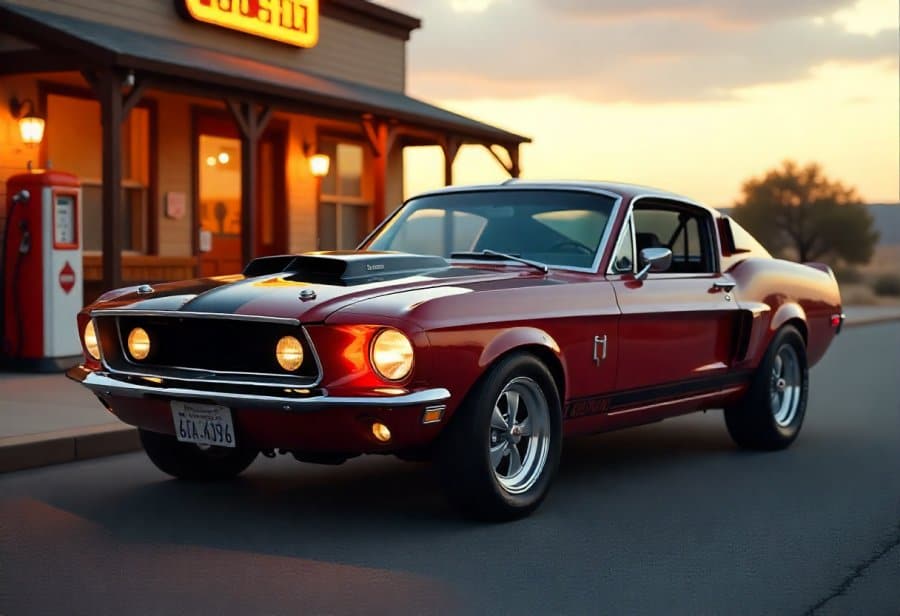
Looking Ahead: The Future of the Mustang and Its Legendary Legacy
The future of the Ford Mustang remains bright, as it continues to blend innovation with its storied history. Its status as an American muscle icon and symbol of freedom endures, inspiring both longtime fans and new drivers alike. As the automotive world shifts toward electrification, Ford is poised to adapt the Mustang with hybrid and electric models that aim to deliver the same thrill and performance that have defined the legend for decades. These advancements will be crucial in maintaining relevance amid changing market demands and growing environmental consciousness.
Throughout its evolution, the Mustang has demonstrated a remarkable ability to stay current while honoring its roots. Its signature design elements, like the iconic pony grille and muscular proportions, have become symbols of strength and style that transcend generations. Each new iteration reinforces its identity as a vehicle built on power, rebellion, and independence, ensuring its place in both automotive history and popular culture. Modern aerodynamic features and advanced powertrains continue to enhance its performance, making it a true reflection of progress and tradition combined.
Performance remains at the core of what makes the Mustang so compelling. Ford’s ongoing upgrades to engines, handling, and driver-focused technology have kept the model exciting and competitive. Today’s Mustangs deliver impressive horsepower, refined suspension, and innovative features that cater to enthusiasts and everyday drivers alike. This focus on maintaining a balance between raw power and modern comfort ensures the car’s appeal remains strong, regardless of shifting trends and technological advancements.
Looking ahead, the challenge is to innovate without losing the essence that makes the Mustang unique. Developing hybrid and electric versions that preserve its emotional impact and performance capabilities will be vital. If Ford can successfully navigate this transition, the Mustang’s influence will extend well into the future, inspiring new generations while respecting its rich heritage. Its cultural significance, fueled by appearances in films, music, and media, will continue to symbolize freedom and daring, keeping the spirit of the Mustang alive.
In the end, the Mustang’s legacy is defined by its ability to adapt and inspire. It’s more than a car—it’s a symbol of American muscle and independence that has stood the test of time. As it evolves with technological progress and societal shifts, the Mustang will remain a living legend, capturing hearts and igniting dreams on roads around the world for generations to come.