The Dodge Charger stands as a roaring testament to American muscle and rebellious spirit, evoking images of raw power, speed, and defiance. From its iconic late-‘60s roots to its modern resurgence, this legendary vehicle embodies freedom and individuality, challenging drivers to keep pace with its aggressive design and ferocious performance. With engines roaring like primal beasts and a stance that dares to dominate, the Charger is more than a car—it’s a cultural icon woven into Hollywood, street racing, and pop culture. Its timeless appeal bridges past and present, inspiring a community of enthusiasts who see it as a symbol of resilience and daring. Owning a Charger isn’t just about transportation; it’s about embracing a legacy of power, independence, and rebellion that stirs primal instincts and fuels a fierce connection between driver and machine. Are you ready to answer the call of the long hood that dares you to keep up?
The Dodge Charger: An Icon of American Rebellion and Power
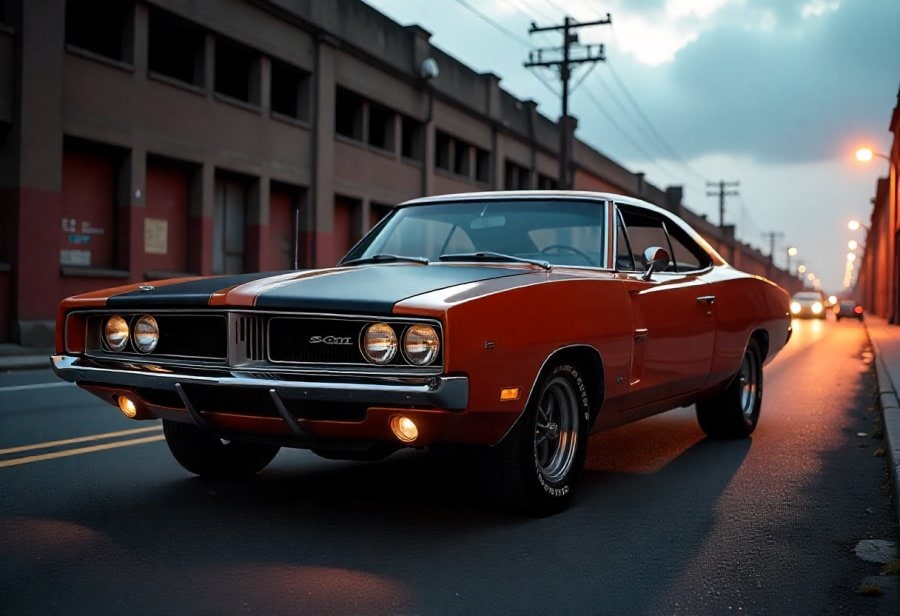
The Dodge Charger isn’t just a car; it’s a bold statement of American muscle and rebellion that has captured imaginations for decades. Its commanding presence, with a long, sculpted hood and muscular stance, screams power before you even turn the key. This vehicle has become more than just transportation—it’s a symbol of freedom and individuality, a rolling embodiment of raw strength on four wheels.
From its origins in the late 1960s, the Charger quickly established itself as an icon of performance and attitude. Its sleek design, aggressive grille, and distinctive four round taillights became instantly recognizable. Whether tearing down highways or starring in Hollywood blockbusters, the Charger’s image radiates confidence and defiance, making it a favorite among enthusiasts who crave speed and a rebellious spirit.
Throughout the years, the Charger has evolved without losing its core identity. The vintage models of the late ’60s and early ’70s—famous for their fastback profiles and legendary engines—set a high bar for what an American muscle car could be. These early Chargers became symbols of street racing and freedom, embodying the adrenaline-fueled culture that defines muscle cars.
In 2006, Dodge revived the Charger, blending classic styling cues with modern engineering. This rebirth brought new life to the nameplate, combining vintage design elements like a long hood and wide stance with contemporary technology and performance. The result was a vehicle that honored its roots while appealing to a new generation of drivers hungry for power and style.
The Charger’s cultural impact extends far beyond the showroom. Films like “Bullitt” and “The Dukes of Hazzard” cemented its reputation as a cinematic icon of cool rebellion. Its thunderous roar and aggressive look have made it a staple on street racing scenes and car culture alike, inspiring a community that celebrates speed, attitude, and independence.
Today’s models continue to embody that rebellious spirit, with cutting-edge engines and advanced features that deliver both raw power and refined handling. Yet, beneath the modern tech, the Charger remains true to its roots—a symbol of unfiltered American muscle and the relentless pursuit of freedom on the open road. It’s more than just a car; it’s a legend that dares you to keep up.
Tracing the Legendary Roots and Evolution of the Dodge Charger
The story of the Dodge Charger begins in the late 1960s, a time when American muscle cars were redefining what it meant to combine style and raw power. Launched in 1966, the Charger aimed to stand out with its sleek, fastback design and a focus on performance. Its early models, especially the R/T versions, became legendary for packing engines like the 426 HEMI, making them favorites among street racers and muscle car enthusiasts alike. Their long, low profiles and muscular lines set a new standard, signaling a bold departure from the more conservative designs of the era.
As the years passed, the Charger evolved through multiple generations, each adding new dimensions to its reputation. The second-generation models, introduced in the late ’60s and early ’70s, are often considered the most iconic, with their aggressive fastback shapes and muscular stance. These cars weren’t just about going fast—they embodied rebellion and freedom, often seen tearing through highways or featured prominently in Hollywood movies, which helped cement their legendary status.
However, the oil crises and tightening emissions regulations of the 1970s slowed muscle car production across the industry, and the Charger faded from the spotlight for a time. Despite this, the nameplate persisted in the minds of fans and collectors, kept alive through nostalgia and dedicated communities. It wasn’t until 2006 that Dodge revived the Charger, blending classic styling cues with modern technology. This new version retained the long hood and broad stance but was equipped with contemporary engines, advanced suspension, and safety features, creating a perfect fusion of past and present.
This revival marked a turning point, re-establishing the Charger as a leader in the muscle car scene. The modern models pay homage to their roots with design elements like the signature grille and sleek silhouette, but they also push forward with high-performance engines like supercharged HEMI V8s. These updates allowed the Charger to reclaim its place not just as a nostalgic icon but as a true modern muscle car, capable of competing with the best on the street and track.
Throughout its history, the Charger has left an indelible mark on pop culture. Films like *Bullitt* and *The Dukes of Hazzard* showcased its sleek silhouette and ferocious performance, making it a symbol of cool rebellion. The General Lee, with its bright orange paint and iconic number, became an American icon, inspiring generations of fans. This cultural presence helped elevate the Charger beyond the automotive world, embedding it into the fabric of American rebellion and freedom.
Today’s Chargers continue to honor their storied past while embracing cutting-edge technology. They combine vintage-inspired design cues with modern engineering, offering powerful engines, advanced handling, and safety features. This evolution ensures the Charger remains relevant and desirable, appealing to both nostalgic enthusiasts and new fans eager for a piece of muscle car history. Its journey from a 1960s icon to a contemporary powerhouse reflects the enduring spirit of American muscle and rebellion, always pushing forward without losing its raw edge.
Unleashing Raw Power: Design and Performance that Dominate
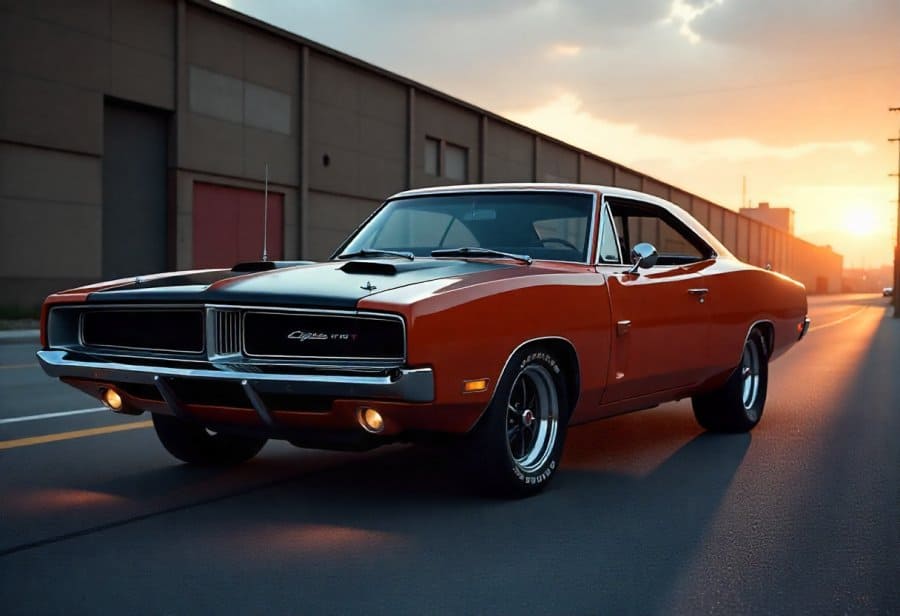
The Dodge Charger’s design and performance are what truly set it apart as a street racing beast and a symbol of primal road power. Its long, sculpted hood and wide stance give it an intimidating presence that commands attention the moment it hits the street. Every curve and line is crafted to convey speed and strength, making it clear this isn’t just a car—it’s a creature built for domination. The aggressive grille and sleek fastback roofline don’t just look good; they optimize aerodynamics, helping the Charger slice through the air at high speeds.
Under the hood, modern Chargers pack some serious firepower. Engines like the supercharged HEMI V8 in the SRT Hellcat produce over 700 horsepower, turning the car into a monster on the street. This raw power translates into ferocious acceleration, where the roar of the engine feels like a warning shot across the bow of anyone daring to challenge it. Wide tires and performance-tuned suspension work together to keep the car firmly planted during high-speed runs and tight turns, giving drivers a sense of control that’s as primal as the power itself.
The Charger’s muscular design isn’t just for show; it’s backed by engineering that enhances its street racing capabilities. The wide stance and low center of gravity improve stability at blistering speeds, while features like adaptive suspension adjust to road conditions, ensuring maximum grip and comfort. Brembo brakes, often in high-performance models, provide the stopping power needed to reign in that unleashed torque. These elements combine to make the Charger not only fast but also predictable and safe when pushed to its limits.
Signature details like the four round taillights and broad grille pay homage to its vintage roots but also serve functional purposes. The taillights improve visibility at night, while the front fascia’s design enhances airflow, reducing drag and increasing downforce. The wide body, especially in recent models, allows for larger wheels and tires, which improve handling and give the car an even more commanding stance on the road. Every aspect of its design screams primal instinct—dominate and own the asphalt.
Inside, the modern Charger blends vintage muscle car aesthetics with cutting-edge technology. A digital cockpit with customizable gauges, touchscreen infotainment, and driver-assist features keep the driver connected and in control. Yet, the interior still echoes the raw, no-nonsense vibe of classic muscle cars. It’s a space built for drivers who want to feel connected to the power beneath them, ready to unleash that primal road force whenever they hit the gas.
The engine lineup itself proves the Charger’s reputation as a high-performance machine. Naturally aspirated V8s deliver impressive torque, but it’s the supercharged HEMI that truly embodies the beast’s potential. These engines roar to life with an unmistakable growl, signaling their readiness to unleash fury. Whether tearing down the highway or staging a street race, the Charger’s powertrain ensures it remains a fierce competitor—feeding the primal instincts of speed lovers and street racing enthusiasts alike.
Cultural Icon: How the Dodge Charger Shaped Car Culture and Hollywood Mythos
The Dodge Charger’s influence on car culture runs deep, shaping perceptions of American muscle and rebellion for generations. Its iconic presence in movies like *Bullitt*—where Steve McQueen’s legendary car chase showcased its sleek design and ferocious power—cemented its status as a cinematic icon of cool. That high-octane scene not only highlighted its performance but also helped elevate the Charger to a symbol of unstoppable force and freedom on the open road.
Beyond Hollywood, the Charger’s reputation grew through its role in street racing scenes, where its fierce stance and thunderous roar became synonymous with defying authority and pushing limits. It embodies the primal instinct to dominate and own the asphalt, inspiring a rebellious subculture that celebrates speed, attitude, and independence. For enthusiasts, the Charger isn’t just a car—it’s a badge of daring, a testament to their willingness to challenge conventions.
The influence extends into music and pop culture, where the Charger often symbolizes strength and unyielding American spirit. Its bold design and legendary history make it a natural reference point in songs, movies, and media, reinforcing its role as an icon of attitude and resilience. For owners and fans, the Charger is more than a vehicle; it’s a rolling emblem of rebellion, pride, and a desire to stand out from the crowd.
Car collectors and restorers maintain its legacy through limited editions and custom builds, ensuring the Dodge Charger remains relevant. These models serve as tangible links to the past, celebrating the muscle car rebellion while embracing modern technology. The Charger’s cultural footprint continues to grow, inspiring younger generations to appreciate the thrill of high performance and the importance of individuality.
In the end, the Dodge Charger embodies a timeless spirit of raw power and defiance. Its cinematic appearances, street racing legend, and pop culture references all contribute to a legacy that’s as enduring as its thunderous roar. This muscle car’s influence shapes not just automotive history, but the very fabric of American rebellion—forever challenging drivers to keep pace and never back down.
More Than a Car: The Emotional and Practical Bonds of Charger Ownership
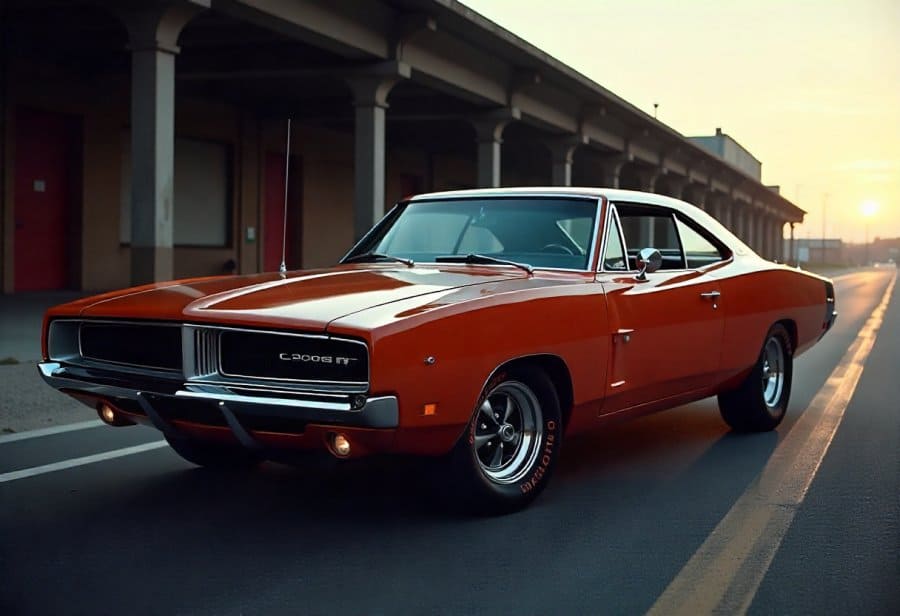
Owning a Dodge Charger goes beyond simply possessing a powerful machine; it creates a deep emotional bond that many owners cherish. The roar of its engine, whether from a vintage big-block HEMI or a modern supercharged V8, becomes more than just noise—it transforms into a personal anthem that turns every drive into a memorable experience. This sound ignites a primal sense of power and rebellion, making routine trips feel like moments of adrenaline and triumph.
Driving a Charger elevates everyday errands into exciting adventures. Its commanding stance and aggressive styling draw attention wherever you go, turning heads and inspiring confidence. Onlookers’ reactions—glances, smiles, or nods—foster a sense of pride and connection, reinforcing that this isn’t just a car but a statement of attitude and individuality. It’s a rolling badge of rebellion that makes its owner stand out on the street.
For many enthusiasts, owning a Charger is a journey of self-expression. Restoring a vintage model or customizing a modern one brings a sense of accomplishment that’s as rewarding as the car’s raw performance. Unleashing the engine’s fury during spirited drives taps into a deep-rooted instinct to push limits, fueling a passion for speed and independence that’s hard to match.
This emotional connection extends into community. Car shows, racing events, and online forums become spaces where owners share stories and celebrate the legacy of muscle car rebellion. The Charger’s reputation as a street racing beast and cultural icon fosters camaraderie among fans who see it as more than just a vehicle—it’s a symbol of daring and freedom that unites a passionate community.
Maintaining a Charger requires respect and care, reinforcing the bond between owner and machine. When properly maintained, it becomes a trusted partner—amplifying confidence and a sense of mastery behind the wheel. The vehicle’s raw power and unmistakable presence inspire owners to embrace their own inner strength, turning driving into a form of self-empowerment rooted in history and rebellion.
This connection also influences how owners see themselves. The Charger embodies boldness, resilience, and a refusal to conform—qualities that extend beyond the road into daily life. It’s a reminder that embracing individuality and pushing boundaries can lead to a more fulfilling, exhilarating existence.
In essence, the Dodge Charger isn’t just a car; it’s an emotional extension of its owner’s spirit. Its presence in daily life fuels pride, confidence, and a sense of belonging to a tradition of rebellion and power. That primal roar, the sleek design, and the shared stories all weave together into a powerful narrative—one that keeps the legacy of American muscle alive, inspiring drivers to never settle and always chase the horizon.