Behind every safe, functioning home lies the skilled craft of electricians who turn complex blueprints into reliable power systems. Their mastery involves meticulous planning, precise wiring, and adherence to strict safety standards—transforming a jumble of wires into a secure, efficient network that powers modern living. But what does it take to master such precision and ensure safety amidst confined spaces and evolving technology? As homes become smarter and more connected, electricians face new challenges and opportunities, requiring ongoing education and adaptation to emerging tools and standards. With innovations like smart circuit breakers and real-time fault detection on the horizon, their role is more vital than ever. This blend of craftsmanship, discipline, and continuous learning ensures that safe, dependable electrical systems remain the backbone of our homes—raising the question: how will electricians shape the future of safe, connected living?
The Backbone of Safe Homes: An Introduction to Electrical Safety and Systems
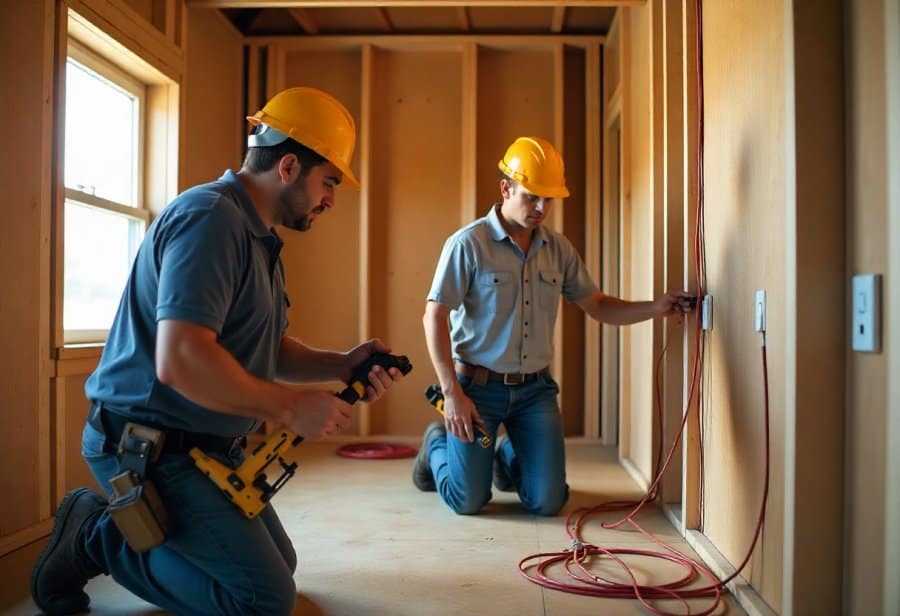
Electrical safety often goes unnoticed until a problem strikes, but it’s the backbone of every safe home. Behind the scenes, electricians work diligently to ensure wiring systems aren’t just functional—they’re secure for everyday use. Their role is vital in protecting families from hazards like shocks, fires, and equipment failures by installing outlets, switches, and fixtures correctly and adhering to strict safety standards. This careful craftsmanship builds a foundation of trust and reliability in residential wiring.
Electricians do more than connect wires; they interpret complex blueprints, select suitable materials, and design circuits that prevent overloads and faults. Their mastery of electrical codes and standards ensures that every installation complies with local regulations, which is essential for safety and future-proofing. Staying updated through ongoing certifications keeps their skills sharp and their knowledge aligned with the latest safety practices and technological advances.
The process of turning raw materials into dependable home power systems hinges on meticulous planning and precise execution. Electricians carefully study detailed plans to determine the best routing for wiring and the optimal placement of outlets, switches, and panels. This forethought minimizes guesswork during installation, reducing the risk of future issues such as overloads or faulty connections. Their skill in organizing complex wiring within confined spaces behind walls or within conduits ensures a neat, safe, and accessible system.
Safety remains the top priority throughout every step. Electricians follow disciplined procedures—like turning off power, verifying circuits are de-energized, and securely grounding wires—to prevent shocks or short circuits. They test all connections thoroughly before restoring power, confirming that everything functions as intended. This disciplined approach transforms a potentially chaotic mess of wires into a reliable, secure system that can power a home safely for years to come.
Electricians also serve as guardians of safety by using specialized tools such as wire strippers, voltage testers, and fish tapes. Proper tool use not only enhances efficiency but also minimizes risks like accidental shorts or shocks. Their expertise ensures that each connection is solid, and every wire is correctly insulated and grounded, forming a robust shield against electrical hazards.
In essence, electricians translate complex plans into safe, efficient electrical systems. Their technical skills, attention to detail, and strict adherence to safety standards make sure that every home they work on is not just powered but protected. As homes become more connected and technology-driven, their role in maintaining safe electrical environments grows ever more important, safeguarding families and supporting modern living.
Mastering Skills and Knowledge: Ensuring Electrician Safety and Reliability
Electricians must possess a solid foundation of technical skills and safety knowledge to perform reliable and safe wiring. Understanding how to properly connect circuits, outlets, switches, and fixtures is essential to ensuring both efficiency and safety. Their ability to interpret blueprints and electrical diagrams allows them to translate complex plans into accurate, real-world installations, reducing errors that could lead to hazards or future failures.
Staying current with electrical codes and safety standards is crucial. These regulations set the benchmarks for safe wiring practices and system design. Electricians must regularly update their knowledge through certifications and ongoing training, which helps them keep pace with evolving standards, emerging technologies, and new safety practices. This continuous learning is vital for maintaining compliance and delivering high-quality work.
Proficiency with specialized tools is another key skill. Electricians rely on equipment such as wire strippers, voltage testers, and fish tapes to perform precise, safe work. Mastery of these tools ensures connections are secure, wires are properly insulated, and systems remain protected against shorts or shocks. Proper tool use not only enhances efficiency but significantly reduces the risk of accidents during installation or repairs.
A comprehensive understanding of safety procedures forms the backbone of every job. Techniques like lockout/tagout, correct grounding, and secure fastening are standard practices that safeguard electricians and the systems they work on. Adhering to these protocols minimizes the chances of electric shocks, short circuits, or fires, especially when working in challenging environments or on complex setups.
Preparation and planning underpin successful, safe installations. Electricians develop detailed layouts, assess existing wiring, and evaluate space constraints before beginning work. This upfront planning helps prevent overloads, reduces troubleshooting later, and ensures that every component is placed correctly. Proper planning also facilitates future upgrades and simplifies maintenance, contributing to long-term system reliability.
Licensing and certifications are mandatory to perform residential wiring legally and safely. These credentials verify that electricians have met specific training requirements and understand the latest safety standards. Maintaining these certifications through regular professional development ensures their skills remain sharp and compliant with current regulations, reinforcing homeowner confidence in their work.
Experience Top-Quality Electrical Services with North York Electricians
Looking for reliable electrical solutions in the Greater Toronto Area? North York Electricians (NYE) offers expert Professional electrical installation and comprehensive residential electrician services. Our team specializes in residential wiring and installation, lighting design and upgrades, and efficient electrical repairs and troubleshooting. We also excel in installing and configuring smart switches, thermostats, security systems, and home automation to modernize your space. Committed to sustainability, NYE upgrades homes with eco-friendly LED lighting, energy-saving panels, and sustainable electrical designs. Whether you need a home wiring service or lighting and electrical service that enhances safety and efficiency, trust our experienced electricians to deliver exceptional results. Contact us today at (416) 508-0206 or visit North York Electricians for your electrical needs.
Transforming Complex Plans into Dependable Power Systems
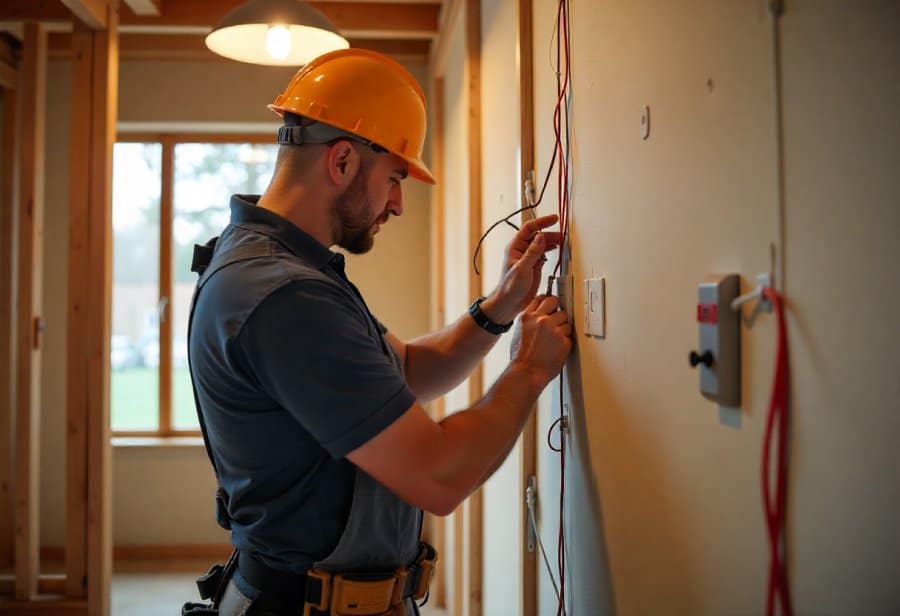
Electricians play a vital role in turning complex wiring plans into reliable power systems that keep homes running smoothly. Their process begins with a thorough review of blueprints and electrical diagrams, which serve as detailed roadmaps guiding every step. By carefully analyzing these plans, electricians can identify the best routes for wiring, determine optimal placements for outlets, switches, and panels, and ensure all components work together seamlessly. This careful planning minimizes guesswork during installation and sets the foundation for a safe, efficient electrical system.
Once the plan is in place, electricians focus on executing it with precision. They follow strict procedures—double-checking each connection, ensuring wires are properly grounded, and securely fastening components. Attention to detail during this phase is crucial to prevent issues like overloads or faulty connections that could compromise safety or cause system failures later. Their goal is to build a network that provides consistent, dependable power to every part of the home.
Navigating confined spaces behind walls or within conduits presents its own set of challenges. Electricians rely on specialized tools such as fish tapes and wire pullers to maneuver wires through tight spots without damaging existing structures. This skillful navigation requires patience and finesse, ensuring that wiring is organized and routed efficiently. Proper organization in these hidden spaces not only enhances system reliability but also simplifies future upgrades and repairs.
A key to transforming chaos into dependable power lies in meticulous organization and strict adherence to safety standards. Electricians follow local and national electrical codes, label circuits clearly, and secure wiring with reliable fasteners. Using high-quality materials and connectors further strengthens the integrity of the system. When every connection is correctly installed and inspected, the risk of faults diminishes, creating a resilient electrical environment that can stand the test of time.
Troubleshooting and fixing issues are inevitable aspects of wiring projects, especially when integrating new systems into existing infrastructure. Electricians employ diagnostic tools like multimeters and circuit testers to identify faults quickly. They trace problems back to their source—whether a loose connection, damaged wire, or outdated component—and resolve them efficiently. This proactive approach ensures the system remains trustworthy, minimizing downtime and safety hazards.
Throughout every stage, safety remains the top priority. Electricians follow protocols such as turning off power at the main breaker, verifying circuits are de-energized, and testing connections thoroughly before restoring power. They take care to avoid shortcuts, ensuring that all wiring is properly insulated, grounded, and secured. This disciplined approach transforms what could be a chaotic mess of wires into a safe, reliable electrical system that powers homes securely.
The craftsmanship and discipline involved in wiring are the backbone of dependable electrical systems. Electricians’ expertise in organizing complex plans, navigating tight spaces, and adhering to safety standards results in systems that are not only functional but also resilient. Their work ensures homes are powered safely and efficiently, supporting the modern, connected lifestyles we rely on every day.
Adhering to electrical safety standards is essential for ensuring long-term reliability and safety in residential wiring. Electricians often continue their education and pursue certifications to stay updated on the latest safety practices. To learn more about the best practices and certification pathways, visit Training and certification pathways for professional electricians.
Applying Safety in Action: Best Practices for Wiring Projects
Applying safety knowledge and techniques during wiring projects is essential for preventing accidents and ensuring long-term system reliability. Electricians always start by thoroughly planning each job, which includes turning off the main power and verifying circuits are de-energized before handling any wires. Using insulated tools and wearing protective gear isn’t just a formality; it’s a critical step to minimize risks like shocks or short circuits. Throughout installation, following strict procedures—such as making secure connections, grounding wires properly, and avoiding shortcuts—helps maintain safety and system integrity. Regular inspections for loose connections or exposed wiring catch potential hazards early, preventing costly or dangerous failures down the line.
Preparation is the foundation of safe wiring practices. Electricians review blueprints and assess the space beforehand to identify potential obstacles or hazards. They ensure circuits are rated correctly for the intended load and plan routes that reduce wire exposure to damage or wear. Gathering all necessary tools and materials in advance keeps the work efficient and safe, avoiding rushed decisions or improvisations. Turning off power at the main breaker and testing circuits with voltage testers before starting work are non-negotiable steps that protect both the electrician and the home’s occupants.
Adherence to safety protocols is non-negotiable throughout every phase of wiring. Electricians employ lockout/tagout procedures to prevent accidental energization, securing wiring with reliable fasteners, and ensuring all connections are insulated and grounded properly. When routing cables through walls or conduits, they take care to avoid damaging existing structures or wiring. Using the right connectors and following manufacturer instructions further ensures that systems remain safe and durable. These disciplined practices significantly reduce the risk of faults, shocks, and fires, creating a safer environment for everyone involved.
Tools play a vital role in maintaining high safety standards. Electricians depend on specialized equipment like wire strippers, voltage testers, and fish tapes to perform precise work without risking injury or damage. Proper tool use, combined with regular maintenance and inspection, prevents accidental shorts and shocks. Wearing insulated gloves and equipment is a standard safety measure, especially when working in confined or tricky spaces. This disciplined approach to tool handling and safety ensures every connection is solid, reliable, and protected against future issues.
Before restoring power, electricians meticulously test and verify every connection. They perform thorough inspections to confirm that wires are correctly installed, insulated, and grounded. Using meters and circuit testers, they ensure each circuit operates safely and as intended. This cautious, systematic process transforms what could be a risky task into a controlled, safe operation. Their commitment to safety checks not only protects the electrician but also guarantees the home’s electrical system is dependable, minimizing the risk of hazards and ensuring peace of mind for the homeowner.
Evolving Safety Standards and Lifelong Learning for Technological Age
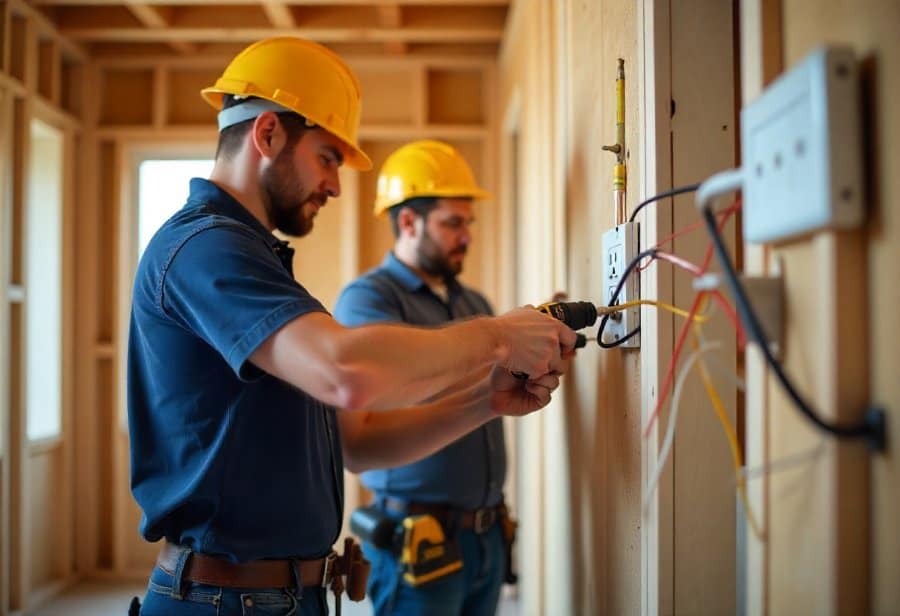
As homes become smarter and more energy-efficient, electrical safety standards are evolving to meet new challenges. The rise of connected devices, automation systems, and renewable energy sources like solar panels introduces fresh risks but also new opportunities for safety improvements. Electricians must stay ahead of these changes, adapting their knowledge and practices to ensure compliance with updated codes and best practices. This ongoing development underscores the need for continuous professional growth, as static knowledge quickly becomes outdated in a rapidly changing industry.
Lifelong learning is essential for electricians committed to maintaining high safety standards. Participating in industry seminars, specialized training, and certification programs keeps their skills sharp and their understanding current. These educational opportunities help electricians navigate emerging safety practices, integrate new tools, and understand evolving regulations. Staying informed not only reduces hazards but also boosts confidence in delivering reliable, compliant work that safeguards homes and families alike.
Looking ahead, the integration of smart technology and home automation will broaden the skill set required of electricians. Mastery of data communication, cybersecurity, and network wiring will become as vital as traditional electrical skills. As homes become more interconnected, electricians will need to ensure that systems are both safe and functional, balancing convenience with security. Simultaneously, the growing adoption of renewable energy systems like solar and energy storage solutions demands expertise in installing and maintaining these complex setups, further expanding their role.
Innovative safety technologies are poised to transform residential wiring in the near future. Advanced circuit breakers, real-time monitoring systems, and predictive fault detection will enable electricians to address issues proactively. These tools can identify potential hazards before they escalate, preventing overloads, fires, and shocks. Embracing these innovations requires electricians to familiarize themselves with new equipment and integrate them seamlessly into existing systems, elevating overall home safety.
For electricians, embracing a mindset of continuous education isn’t just about staying compliant; it’s about fostering trust and confidence with homeowners. As the industry advances, their ability to adapt and learn will determine how effectively they can protect families and support modern lifestyles. By actively engaging with ongoing industry developments, they reinforce their reputation as reliable experts committed to safety and quality.
The future of residential wiring hinges on a blend of technological innovation and dedicated professional development. Electricians who prioritize ongoing learning will lead the way in transforming chaos into dependable power systems that keep homes safe, efficient, and ready for the demands of tomorrow. Their proactive approach ensures that safety remains the foundation upon which modern living continues to thrive.