A sudden drop in Domain Rating (DR) scores across many websites has left digital marketers puzzled, but the culprit is a recent, significant update from Ahrefs aimed at improving accuracy by emphasizing link quality over quantity. This recalibration shifts the focus toward trustworthiness, relevance, and authentic backlinks, making previous overestimations of authority less influential. Are your DR fluctuations a sign to reevaluate your SEO approach? The update highlights that building genuine, high-quality backlinks from reputable, niche-relevant sources is now more critical than ever. While fluctuations can be part of the web’s natural ebb and flow, they also signal the need for ongoing backlink audits, content refinement, and relationship-building with industry influencers. As search engines evolve to prioritize trust and user experience, the future of SEO will increasingly reward ethical, relevance-driven strategies. This shift challenges marketers to adapt, emphasizing sustainable authority based on real value rather than superficial metrics—are you ready to meet this new standard?
Contents
Understanding the Recent Shift in Domain Rating and Its Impact
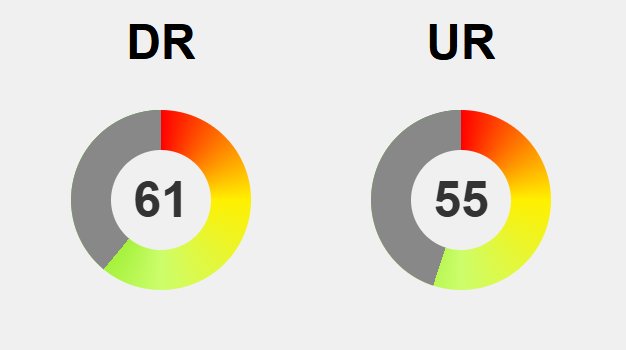
Recently, many website owners logging into Ahrefs noticed something unusual: their Domain Rating scores had dropped suddenly and significantly. Instead of minor fluctuations, some sites saw their DR plummet by 20 to 50 points overnight. This unexpected change left many confused and concerned. The reason behind this shift is a major update Ahrefs rolled out, aimed at making their DR calculation more accurate and reflective of real backlink quality. This update shifts the focus from simply counting links to assessing trustworthiness, relevance, and the strength of backlinks, providing a clearer picture of a site’s true authority.
This recalibration doesn’t mean your site has lost authority overnight; it’s a move toward more honest measurement. The new system penalizes superficial link-building and rewards genuine, high-quality backlinks from reputable sources. As a result, some sites experienced a drop because their backlink profiles were previously overestimated, while others with cleaner, more relevant links may see their scores rise. It’s a shift that encourages everyone to prioritize quality over quantity, aligning with broader SEO trends that favor meaningful connections over sheer link volume.
Understanding this update helps put sudden DR drops into perspective. Instead of panicking or viewing it as a penalty, see it as a rebalancing—an adjustment to a more precise and fairer system. Because DR is a relative metric, fluctuations happen as the backlink landscape evolves. If competitors gain stronger links, your DR could fall even if your own profile stays stable. Conversely, focusing on earning relevant, trustworthy backlinks can help you improve your standing in this new calculation. Recognizing these dynamics makes it easier to interpret your SEO performance and plan effective strategies.
This change emphasizes that sustainable SEO relies on building authentic authority through high-quality backlinks. It’s a reminder that gaining links from reputable, niche-relevant sources is far more valuable than chasing numbers. Regularly auditing your backlink profile, disavowing low-quality links, and creating content that naturally attracts high-value links become essential steps. These efforts not only help recover from fluctuations but also build a resilient foundation for long-term growth, aligned with the latest standards set by Ahrefs and other tools.
In the end, these DR adjustments reflect a more transparent and trustworthy measurement of online authority. They’re not setbacks but opportunities to refine your link-building approach and focus on genuine relevance and trust. By understanding and adapting to these changes, you can better position your site for future success, ensuring your authority is built on real value rather than superficial metrics. This shift encourages a smarter, more sustainable approach to SEO that benefits both your site and your audience.
Deciphering the Causes Behind Sudden DR Fluctuations
When a website’s Domain Rating drops suddenly, it’s usually a sign that something in your backlink profile has shifted. One common reason is the removal or nofollowing of links from high-authority sites. When trusted domains take down or change the status of backlinks, the flow of link equity to your site diminishes, causing your DR to decline. This isn’t a penalty; it’s a reflection of the changing landscape of your backlinks. Similarly, if a reputable site that previously linked to you loses its own authority—perhaps through deindexing or content updates—that loss translates into less passing of trust, impacting your score.
Another major factor is how your competitors are evolving. Even if your backlink profile remains stable, your relative standing can fall as others gain stronger, more relevant links. This dynamic nature of the web means your DR isn’t just a measure of your site’s health but also a snapshot of your position within your industry or niche. As competitors improve their backlink strategies, your relative authority can decrease, highlighting the importance of ongoing link-building efforts.
The way backlinks are weighted in the new calculation has also been refined. Previously, superficial or low-quality links might have carried more influence than they do now. With the latest update, Ahrefs places greater emphasis on the relevance and trustworthiness of links, making the quality of your backlinks more crucial than ever. This means that some links that once provided a boost might now have less impact, and your overall DR depends more on the strength and context of your backlink profile.
External industry shifts add another layer to these fluctuations. When more websites in your niche actively pursue high-quality backlinks, the competition intensifies. Even if your profile remains unchanged, your DR can decline relative to these new benchmarks. This ongoing evolution underscores that DR is a moving target influenced by the entire backlink ecosystem, not just your efforts.
It’s also helpful to see these drops as part of the natural ebb and flow of the web. Sites gain and lose links over time, and search engines continuously update their interpretation of these signals. These fluctuations aren’t necessarily signs of trouble but indicators that your backlink landscape is shifting. Recognizing this helps you avoid unnecessary worry and focus on building a resilient profile through consistent, quality link acquisition.
By staying alert to these factors—link removals, competitor gains, weighting changes, and industry trends—you can better understand what drives DR fluctuations. This awareness allows you to adapt your strategy proactively. Regular backlink audits, targeted outreach, and creating shareable content are key to maintaining and improving your authority in this dynamic environment.
How the Update Reshapes Modern SEO Strategies
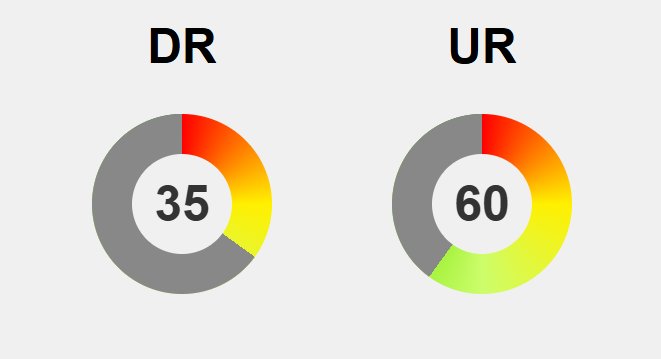
The recent update to Ahrefs’ Domain Rating calculation marks a turning point for SEO strategies worldwide. Instead of focusing solely on increasing link volume, the emphasis now shifts toward acquiring high-quality, relevant backlinks from trusted sources. This change aligns SEO efforts with the broader industry trend of prioritizing content quality and genuine authority, making it clear that quick fixes and manipulative tactics no longer cut it.
Building a strong backlink profile has become a more holistic process. It’s no longer enough to chase after a high number of links; relevance and trustworthiness are now king. Successful SEO teams are investing in relationships with industry influencers, creating valuable, shareable content, and earning links from authoritative sites within their niche. These high-value backlinks do more than improve metrics—they establish a long-lasting reputation that can withstand future algorithm updates.
This shift also reinforces Google’s E-E-A-T principles—expertise, experience, authority, and trust. Search engines are increasingly rewarding sites that demonstrate credibility through authentic backlinks and quality content. Manipulative tactics and shortcuts are less effective, encouraging site owners to develop content that genuinely reflects their expertise and resonates with their audience. Over time, this focus on quality helps build a resilient online presence that remains competitive amid ongoing changes.
SEO professionals are now prompted to revisit their link-building strategies. Regular backlink audits have become essential, helping identify and disavow spammy or low-quality links that could harm authority. Developing real relationships with industry influencers and producing authoritative content will be the foundation for attracting natural backlinks. These efforts not only improve current metrics but also lay the groundwork for sustainable growth and long-term authority.
The update signals a move toward more transparent and fair measurement systems. As algorithms become smarter and better at distinguishing valuable links from manipulative ones, the playing field levels. Sites that invest in ethical, relevance-driven SEO practices will be better positioned to maintain and grow their authority. This evolution encourages a mindset of ongoing improvement, emphasizing relevance, trust, and genuine value creation over superficial link tactics.
Adapting to this new environment means embracing a long-term perspective. Building authority isn’t about overnight wins but about consistently producing valuable content and nurturing authentic relationships. This approach results in a more stable, trustworthy online presence that can better withstand the inevitable fluctuations of search engine algorithms and industry trends.
Tools like Ahrefs and others are evolving into more comprehensive platforms that integrate backlink analysis with user engagement and relevance metrics. Leveraging these insights allows marketers to refine their strategies continuously, focusing on what truly matters—building trust and authority through meaningful connections. Staying ahead requires embracing these technological advancements and applying them to create more effective, sustainable SEO campaigns.
Ultimately, this update underscores the importance of authenticity in modern SEO. High-quality, niche-relevant backlinks are no longer optional but essential for long-term success. Investing in genuine relationships, producing valuable content, and maintaining ongoing backlink management will be the pillars of resilient authority in an increasingly sophisticated web ecosystem. Those who adapt swiftly and focus on real value will lead the way in the next era of SEO.
For example, many site owners have noticed a sudden DR drop after recent updates, which can be alarming but often reflects natural fluctuations or shifts in backlink quality. Understanding these changes requires staying informed about industry updates and adjusting strategies accordingly. To learn more about these developments and how to respond effectively, you can visit this article on the recent DR update and its impact on SEO.
Real-World Lessons and Actionable SEO Insights
Focusing on genuine, niche-relevant backlinks often produces better long-term results than simply chasing high volumes of low-quality links. For example, an e-commerce site that prioritized building relationships with industry influencers and creating tailored content saw its Domain Rating steadily improve over time. By investing in authentic outreach and producing valuable resources, they attracted backlinks from reputable sources that genuinely boosted their authority. These efforts not only helped recover from recent fluctuations but also created a more resilient backlink profile capable of withstanding future algorithm changes.
Regular backlink audits have become essential for effective SEO management. Using tools like Ahrefs or SEMrush, site owners can identify broken or low-quality links that might be dragging down their DR. Disavowing these links and actively seeking high-quality, relevant backlinks from trusted sources strengthens the overall profile. This ongoing process of evaluation and refinement ensures your backlink health remains aligned with best practices, rather than relying on superficial link-building campaigns.
Creating high-value, shareable content forms the backbone of sustainable SEO efforts. When your content demonstrates expertise and provides real value, it naturally attracts backlinks from authoritative sources within your niche. For instance, a tech blog that publishes in-depth, well-researched articles often sees industry leaders and reputable publications linking back voluntarily. This organic link-building not only enhances your DR but also builds trust and credibility, establishing your site as a go-to resource in your field.
Building relationships with industry influencers plays a vital role in long-term link acquisition. Outreach that emphasizes genuine engagement—such as collaborating on content, sharing insights, or participating in relevant conversations—tends to yield high-quality backlinks from trustworthy sources. These relationships, based on mutual trust and relevance, are stronger signals of authority in the eyes of search engines. Nurturing these connections over time helps reinforce your site’s reputation and naturally boosts your DR.
Seeing recent DR fluctuations as opportunities rather than setbacks can transform your SEO approach. These changes highlight areas where your backlink profile can be strengthened or refined. By committing to ethical, high-quality link-building, producing valuable content, and maintaining ongoing audits, you create a solid foundation for sustained growth. Although these strategies may take more time, they ensure your authority is built on genuine value, making your site more resilient and better prepared for future updates.
Focusing on authentic, relevant backlinks and continuous improvement creates a cycle of growth that’s sustainable over the long haul. Each successful outreach, every piece of valuable content, and every clean backlink build your site’s credibility and authority. This approach not only helps recover from fluctuations but also positions you to capitalize on future opportunities, ensuring your SEO efforts remain effective and trustworthy in the evolving digital landscape.
Future Trends: Navigating the Evolving Landscape of SEO and Authority
Looking ahead, SEO is poised to become even more sophisticated as emerging technologies reshape how we evaluate and build authority online. Artificial intelligence and machine learning are beginning to influence backlink analysis, enabling tools to assess link quality and relevance in real time. This evolution means future metrics will likely be more dynamic and responsive, providing marketers with instant insights into their backlink profiles and how they compare within an ever-changing web landscape. Staying ahead will require keeping pace with these innovations, adapting strategies to leverage smarter data and more precise assessments.
As search engines continue to prioritize trust and user experience, the emphasis on authentic content and genuine authority will only grow stronger. Earning high-quality backlinks from reputable, niche-relevant sources won’t just be a best practice—it will be essential for long-term success. Manipulative tactics or shortcuts will become less effective, pushing site owners to focus on creating valuable, expert-driven content that naturally attracts backlinks. This shift aligns with Google’s increasing focus on principles like E-E-A-T—expertise, experience, authority, and trust—and encourages a sustainable, integrity-based approach to SEO.
The industry is also moving toward greater transparency and fairness in how metrics are calculated. Advanced algorithms and improved data collection are helping search engines better distinguish between truly valuable links and manipulative schemes. This transparency fosters a more level playing field, rewarding sites that invest in ethical, relevance-driven link-building efforts. As these systems evolve, companies that prioritize genuine relevance and credibility will be better positioned to maintain and grow their online authority.
Tools are expected to evolve into more comprehensive platforms that integrate backlink analysis with user engagement, semantic relevance, and trust signals. These insights will help marketers understand not just where their links come from, but how they influence real user trust and interaction. This holistic view will guide more effective strategies, emphasizing quality, relevance, and engagement over sheer link volume. Embracing these advancements will enable brands to craft more resilient, authoritative online presences that stand the test of future algorithm updates.
Community-driven and content-centric link-building will also become increasingly vital. Collaborations with industry influencers, participation in relevant forums, and creating high-value resources will serve as core tactics for establishing authority. These approaches naturally attract high-quality backlinks and foster credibility, aligning with the ongoing shift toward genuine relationships and meaningful content. Building trust through authentic engagement will remain a key differentiator in maintaining a competitive edge.
Finally, adaptability and continuous learning will be crucial. As algorithms become more transparent and data-driven, SEO professionals must refine their skills and tactics regularly. Embracing ethical, value-focused strategies will be essential for building resilient domain authority capable of withstanding future updates. Those who focus on relevance, trust, and long-term growth will be best positioned to lead in the next phase of SEO evolution, turning challenges into opportunities for sustainable success.