Is the Ford Mustang truly America’s most iconic muscle car, or has its legend become an illusion? Since its debut in the 1960s, the Mustang has embodied the spirit of American freedom, rebellion, and innovation, transforming from a stylish, accessible performance vehicle into a cultural symbol celebrated in movies, music, and everyday life. Its design, performance, and adaptability have allowed it to evolve across generations, balancing nostalgic appeal with modern technology. Today’s Mustang maintains its bold stance with advanced features, powerful engines, and safety innovations, appealing to both enthusiasts and new drivers. As Ford pioneers hybrid and electric models, the question arises: will the Mustang preserve its rebellious heart while embracing sustainability? With a future blending tradition and innovation, this legendary car continues to inspire a sense of adventure and independence—raising the enduring question: can any car embody the very essence of American muscle and freedom like the Mustang?
The Mustang: Embodying American Freedom and Muscle
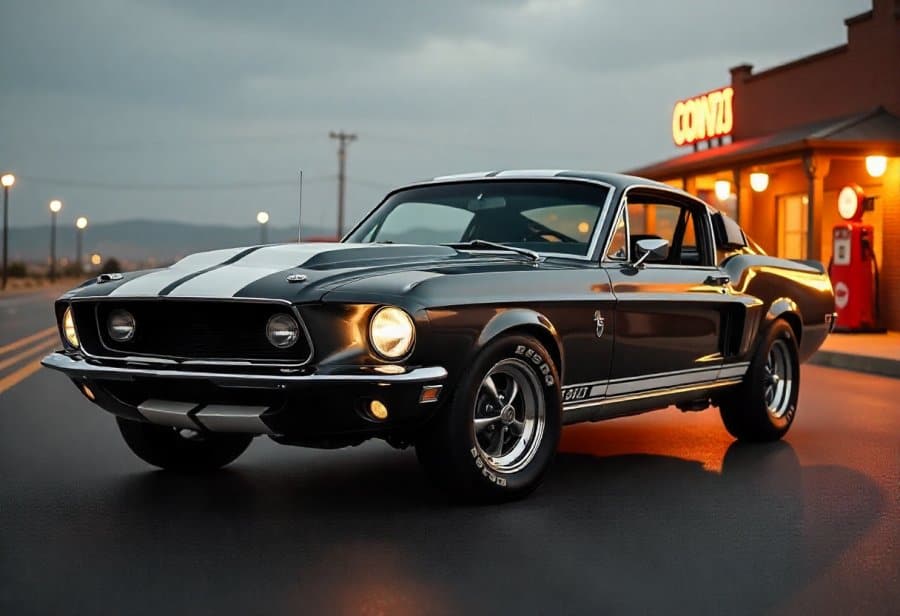
The Ford Mustang isn’t just a car; it’s a symbol that embodies the spirit of American muscle and the pursuit of freedom. Since its debut in the mid-1960s, the Mustang has captivated enthusiasts and casual drivers alike, quickly rising to become a cultural icon. Its sleek design, combined with powerful engines and an accessible price point, made it stand out in a competitive market. But beyond the specifications, what truly sets the Mustang apart is what it represents: independence, adventure, and the open-road lifestyle that many Americans cherish.
Over the years, the Mustang has woven itself into the fabric of American culture. It’s appeared in movies like “Bullitt” and “Gone in 60 Seconds,” where its aggressive stance and unmistakable growl evoke rebellion and excitement. Musicians and artists have celebrated it as a symbol of personal freedom and individuality, reinforcing its status as more than just a vehicle—it’s a statement. The car’s image is intertwined with youth, risk-taking, and the desire to carve out one’s own path, making it a true reflection of the American spirit.
Design-wise, the Mustang’s distinctive look has remained instantly recognizable. Its long hood, muscular stance, and signature grille have become hallmarks of the muscle car era. Underneath, performance has always been a priority, with engines capable of delivering exhilarating speed and agility. This seamless blend of aesthetic appeal and engineering prowess helped define the muscle car’s golden age and continues to influence automotive design today.
What makes the Mustang truly remarkable is its ability to evolve without losing its core identity. From the first-generation models to today’s modern versions, each redesign has added new features—more refined aerodynamics, digital dashboards, and safety innovations—while staying true to its rebellious roots. This adaptability has allowed the Mustang to remain relevant across generations, consistently appealing to both nostalgic enthusiasts and new drivers seeking excitement.
The Mustang’s enduring legacy lies in its power to inspire. It’s a car that invites drivers to embrace their individuality and chase adventure. Whether tearing up the highway, participating in car shows, or simply enjoying a weekend drive, the Mustang continues to symbolize the freedom of the open road. It’s more than a machine; it’s a cultural phenomenon that captures the essence of American innovation and resilience.
Born from Competition: The Origins of the Iconic Mustang
The origins of the Ford Mustang are deeply rooted in the fierce competition and innovative spirit of the muscle car era in the 1960s. During this time, American automakers raced to create vehicles that combined eye-catching design with raw, unfiltered power, aiming to capture the imaginations of a new generation of drivers. Ford’s goal was to develop a sporty, stylish car that was accessible to the masses—something that could deliver exhilarating performance without breaking the bank. When the Mustang was unveiled in 1964, it instantly set a new standard for what a muscle car could be, blending performance, affordability, and style.
Ford’s development of the Mustang reflected a keen understanding of the cultural shifts happening in America. Young Americans increasingly sought vehicles that symbolized independence and rebellion, and Ford tapped into this desire. The design team crafted a sleek, aerodynamic shape with a long hood and short rear deck—features that have become signature cues of the model. The debut at the 1964 New York World’s Fair created immediate buzz, with the car’s striking look and promise of fun resonating with eager buyers.
The first-generation Mustang was a game-changer, offering a variety of models and engine options that made it both accessible and high-performance. The introduction of powerful V8 engines, especially in models like the GT and Shelby variants, pushed the boundaries of what a muscle car could be. Ford targeted a new demographic—young, energetic, style-conscious drivers eager to express their individuality through their cars. The Mustang’s combination of affordability and performance made it a hit almost overnight, sparking a wave of imitators and competitors.
As the decades progressed, the Mustang evolved to reflect changing tastes and industry standards. Design shifts toward sleeker, more aerodynamic shapes and the introduction of emission regulations meant engines became less powerful initially. Still, Ford maintained the core appeal of the muscle car—performance that excites and design that commands attention. The 2005 revival brought back the classic look and spirit of the original, while the sixth-generation models introduced turbocharged engines and modern safety features, blending tradition with innovation.
Throughout its history, the Mustang’s legacy has been shaped by visionary designers, engineers, and cultural influences. Figures like Lee Iacocca played pivotal roles in marketing and shaping its rebellious image. The car’s appearances in movies like “Bullitt” and “Gone in 60 Seconds” cemented its status in American pop culture, symbolizing freedom and adventure. This unique mix of technical prowess and cultural symbolism transformed the Mustang from a mere vehicle into a true icon—an enduring symbol of American muscle, innovation, and the relentless pursuit of freedom on the open road.
The Mustang Today: Merging Heritage with Innovation
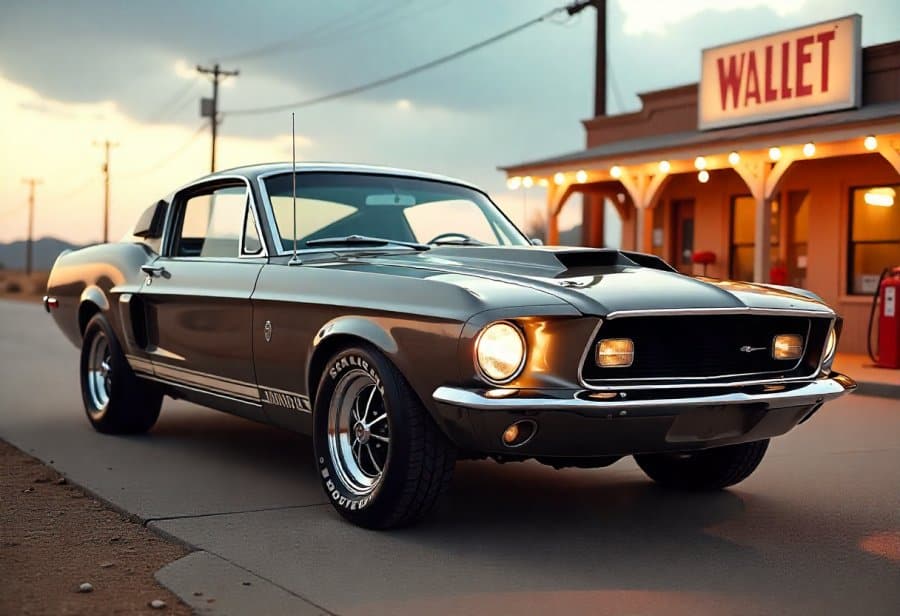
The Ford Mustang today strikes a confident balance between honoring its rich muscle car heritage and embracing modern automotive innovation. Its design maintains the bold, aggressive stance that made it famous, with sleek lines, a low profile, and distinctive features like LED lighting and aerodynamic enhancements. These elements give the current model a contemporary edge while preserving the iconic silhouette that instantly identifies it as a Mustang. The result is a vehicle that feels both timeless and fresh, appealing to longtime fans and new enthusiasts alike.
Performance remains at the core of the Mustang’s appeal. Today’s lineup offers a range of potent engines, from the thunderous 5.0-liter V8 to turbocharged four-cylinder options that prioritize efficiency without sacrificing speed. The V8 models evoke the visceral power and satisfying growl that muscle car lovers crave, while the turbocharged variants deliver nimble handling suitable for daily driving. Advanced suspension, chassis tuning, and driving modes ensure that whether on winding roads or straight highways, the Mustang handles with agility and confidence.
Modern technology elevates the driving experience without diluting the car’s spirited character. Touchscreen infotainment systems, smartphone integration, and premium audio options keep drivers connected and entertained. Safety features like adaptive cruise control, lane-keeping assist, and collision warning are now standard, making the Mustang safer and more accessible. These innovations attract a broader audience, blending performance with convenience and reassurance, while still allowing drivers to enjoy the thrill of the open road.
Despite the technological shifts, the Mustang’s cultural relevance continues to thrive. It frequently appears in movies, music videos, and social media, reinforcing its image as a symbol of American freedom and rebellion. Enthusiasts gather at car meets, online forums, and racing events, celebrating its versatility—from daily commuting to weekend joyrides. The car’s ability to adapt to diverse lifestyles while maintaining its core identity ensures that the Mustang remains a palpable expression of personal passion and independence.
Looking ahead, Ford is committed to evolving the Mustang without losing its essence. The brand is exploring hybrid and electric models that promise the same adrenaline rush with reduced emissions, appealing to environmentally conscious drivers. Design updates focus on sleeker, lighter shapes, integrating lightweight materials to enhance performance. The future also holds greater connectivity, with virtual dashboards and personalized digital experiences. Through these innovations, Ford aims to keep the Mustang at the forefront of automotive culture—an enduring icon that continues to inspire and thrill across generations.
More Than a Car: The Mustang’s Role in Daily Life, Racing, and Collecting
The Ford Mustang is more than just a showpiece; it plays a versatile role in everyday life for many enthusiasts. Its powerful engines and responsive handling make it a fun and engaging daily driver, turning routine commutes into moments of excitement. Owners often personalize their Mustangs with upgraded interiors, sound systems, or tech features, transforming the vehicle into a comfortable yet spirited companion that fits seamlessly into their lifestyle.
Beyond daily use, the Mustang’s racing pedigree remains alive and well. Many owners participate in local autocross events, track days, or amateur racing circuits, where the car’s agility and raw power shine. Aftermarket modifications and performance upgrades allow drivers to fine-tune their vehicles for maximum speed and handling, turning the Mustang into a competitive and thrilling racing machine. This racing scene sustains the car’s reputation as a true performer on the road and track.
For collectors, the Mustang represents a valuable piece of American automotive history. Restoring vintage models from the muscle car era is a popular hobby, with well-preserved or meticulously restored classics often fetching high prices at auctions. These cars are treated as cultural artifacts, embodying the spirit of a bygone era. Enthusiasts dedicate significant time and resources to sourcing original parts and maintaining authenticity, ensuring that each vintage Mustang retains its historical and cultural significance.
Many owners develop a deep emotional connection with their Mustangs. Some inherit their cars from family members, while others spend years restoring and customizing their vehicles to reflect personal style. Whether used for weekend drives, car meets, or long road trips, the Mustang’s versatility makes it suitable for various pursuits. It symbolizes personal freedom and the pursuit of adventure, offering a sense of connection to the open road and American muscle tradition.
Maintaining a Mustang involves regular upkeep and thoughtful upgrades. Routine tasks like oil changes, brake checks, and suspension tuning keep the car performing at its best. Owners often explore aftermarket parts—from exhaust systems to aesthetic enhancements—to personalize their rides further. Engaging with online communities and local clubs provides support and inspiration, helping owners preserve their car’s performance and cultural legacy.
Looking ahead, the Mustang’s practical role is expanding alongside technological advances. Its adaptability to daily driving, racing, or collection continues to grow as Ford develops hybrid and electric models that promise powerful performance with reduced emissions. These innovations aim to attract new generations of drivers who seek both excitement and sustainability, ensuring that the Mustang remains a symbol of American muscle and freedom for years to come.
Driving into the Future: Trends, Technology, and the Evolving Mustang Legacy
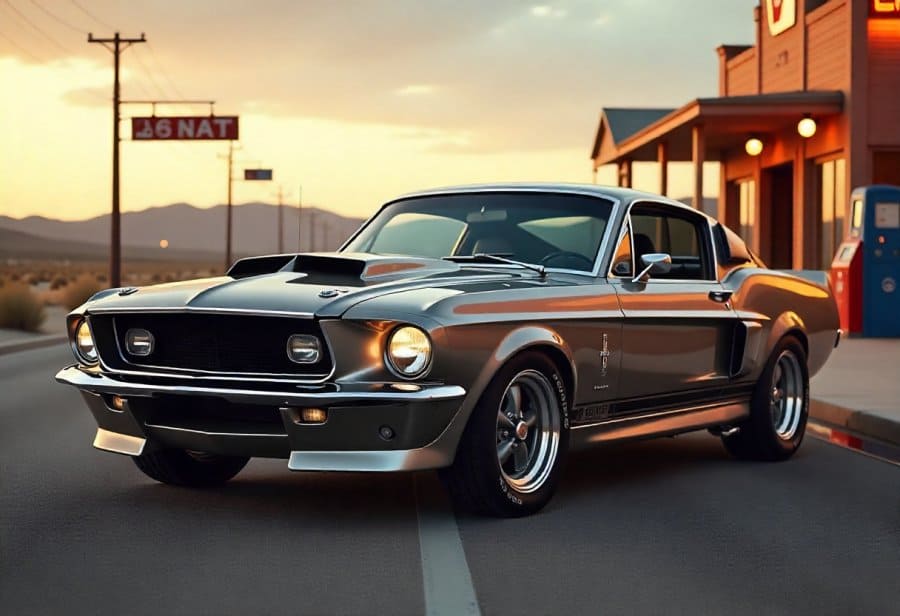
The future of the Ford Mustang promises a dynamic blend of its legendary muscle car roots and the latest automotive innovations. As the industry shifts toward sustainability, Ford is investing heavily in hybrid and electric models that aim to deliver the same exhilarating performance without the emissions. These new powertrains will offer quick acceleration and impressive efficiency, appealing to drivers who want thrill and environmental responsibility in one package. This shift not only broadens the Mustang’s appeal but also ensures it remains relevant in a world increasingly focused on cleaner mobility.
Alongside electrification, driver-assist and autonomous technologies are set to become standard features in future Mustangs. Expect systems like adaptive cruise control, lane-keeping assist, and collision mitigation to enhance safety and convenience. These advancements will help make the Mustang more accessible to a wider audience, without compromising its spirited character. Drivers will be able to enjoy the thrill of the open road while benefiting from modern safety tech that enhances confidence behind the wheel.
Design-wise, the Mustang’s evolution will focus on sleeker, more aerodynamic shapes that improve handling and fuel efficiency. Lightweight materials such as carbon fiber and aluminum are likely to play a bigger role, helping to reduce weight and boost performance. These updates will help the Mustang stay competitive in a market that prizes speed, style, and sustainability, all while maintaining the bold visual cues that define its iconic presence.
The role of the Mustang is also expanding beyond performance alone. Ford envisions it as a versatile platform capable of adapting to diverse lifestyles. Hybrid and electric variants will offer options that balance power with practicality, appealing to drivers looking for everyday usability without sacrificing excitement. Digital connectivity will become even more integrated, with virtual dashboards and personalized digital experiences that keep the car connected to modern life. This evolution aims to preserve the Mustang’s rebellious spirit while embracing the demands of a changing world.
Throughout this transition, the core identity of the Mustang remains central. Ford’s challenge is to innovate without losing the essence that has made it a symbol of freedom, power, and American ingenuity. By combining cutting-edge technology with timeless design elements, future Mustangs will continue to inspire new generations. They will uphold the legacy of the muscle car era while pioneering a sustainable, connected future—ensuring that the legend of the Mustang endures for decades to come.