Mastering calm leash walking with your dog transforms routine outings into moments of trust, harmony, and connection. But what if peaceful walks could do more than just improve behavior? This guide explores how teaching your dog to walk at your side—free from pulling and distraction—builds confidence, reduces anxiety, and deepens your bond. It delves into practical techniques rooted in positive reinforcement, understanding dog behavior, and gentle guidance, emphasizing patience and consistency. While setbacks like pulling or distraction are common, they become opportunities for growth with the right approach. Over time, each successful walk reinforces mutual respect and calmness, turning what once felt like a chore into an enjoyable, shared experience. Are you ready to unlock this peaceful, rewarding connection with your dog—step by step, moment by moment?
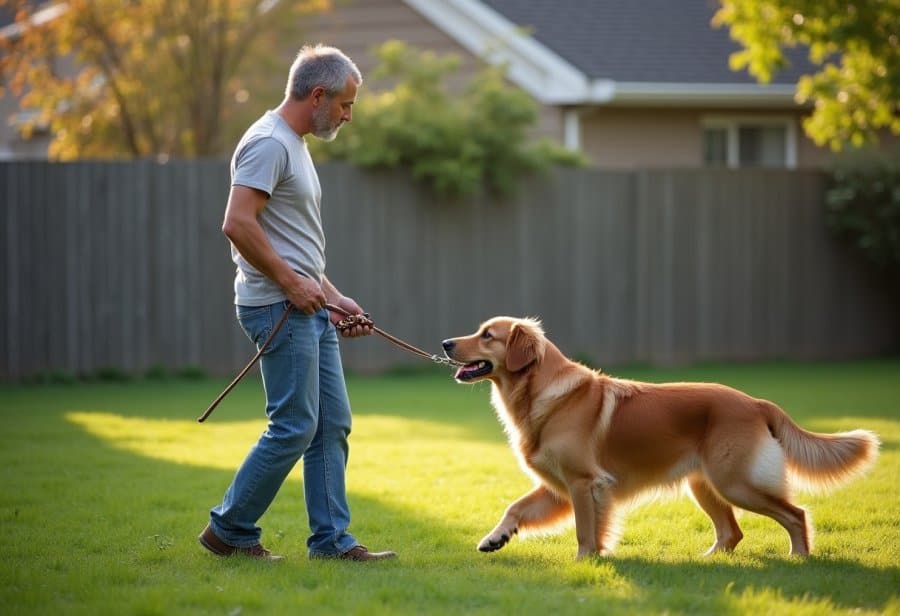
Building Trust and Peace: The Power of Calm Dog Walking
Walking calmly with your dog might seem straightforward, but it’s actually the foundation for a much deeper, more peaceful relationship. When your dog learns to walk at your side without pulling or fussing, it creates a sense of trust and mutual respect that goes beyond good manners. Calm leash walking becomes a form of communication—building confidence and understanding between you and your pet. These shared moments turn routine walks into opportunities for connection, where both of you feel relaxed and in sync.
Achieving this calmness isn’t just about making walks easier; it shapes how your dog perceives you as a leader. When your dog stays focused and relaxed, it shows they trust your guidance and feel secure in your presence. This trust encourages your dog to be more receptive and less anxious, setting the stage for smoother interactions in all areas of life. It’s a skill that, once developed, transforms everyday outings into enjoyable, bonding experiences rather than stressful chores.
This guide aims to provide practical techniques to help your dog learn to walk peacefully. With patience, consistency, and positive reinforcement, you can turn chaotic walks into calming routines. Mastering these methods not only improves your dog’s behavior but also deepens the trust and joy that come from understanding each other better. The goal is to make each walk a shared moment of harmony—one that fosters confidence and connection, making your daily outings a highlight rather than a challenge.
The importance of calm dog walking extends beyond the walk itself. It helps prevent behavioral issues like pulling, lunging, or distraction-driven anxiety. When your dog understands your cues and stays calm, they’re more likely to behave well in new or stimulating environments. Building this consistency creates a strong foundation for good manners, safety, and mutual respect, turning routine walks into meaningful bonding experiences.
Whether you’re new to training or looking to refine your skills, patience and a willingness to learn together are key. Calm leash walking isn’t about perfection; it’s about progress and creating a positive, shared experience. As you walk with confidence and calmness, your dog will pick up on that energy and mirror it. Over time, peaceful walks become a natural part of your relationship—an ongoing, rewarding dance of trust, respect, and connection.
Understanding Behavior and Foundations for Calm Leash Walking
Understanding dog behavior is key to teaching calm leash walking. Dogs are social animals that thrive on clear communication and consistent routines. When they know what to expect and are rewarded for good behavior, they’re more likely to stay relaxed and focused during walks. Paying attention to their body language—such as tail position, ear orientation, or signs of anxiety—helps you respond in a way that fosters trust and calmness. Guiding your dog gently and rewarding their efforts builds a foundation of cooperation, making training a positive experience rather than a source of frustration.
The principles behind calm leash walking are rooted in patience, consistency, and positive reinforcement. Reward your dog with treats, praise, or affection whenever they walk calmly, reinforcing that good behavior leads to positive outcomes. Commands like “heel” or “focus” provide clear cues, helping your dog understand what’s expected. Using these cues consistently creates a predictable environment, which makes your dog feel safe and confident, reducing their tendency to become anxious or distracted.
Dog training has shifted away from dominance-based methods toward a kinder, trust-based approach. Today’s techniques emphasize reward and gentle guidance, making training a bonding experience rather than a battleground. Tools like clickers or desensitization exercises further reinforce calm responses, helping your dog learn to walk in harmony with you. When your dog feels understood and appreciated, they’re more likely to cooperate and stay relaxed, even in stimulating environments.
Developing calm walking habits also involves understanding your dog’s instincts and individual needs. Recognizing signs of stress or excitement allows you to tailor your approach, ensuring your dog remains confident and secure. Consistent, kind guidance helps your dog learn to focus and self-regulate, turning daily walks into moments of mutual trust. Over time, this builds a relationship grounded in respect and understanding, making every outing a peaceful shared experience.
Mastering Techniques: An In-Depth Look at Calm Dog Walking Strategies
Achieving calm dog walking depends heavily on understanding and managing several key factors that influence your dog’s behavior. Teaching your dog clear commands, especially “heel,” helps them stay close and focused on you. Consistent cues paired with immediate rewards reinforce these behaviors, making it easier for your dog to connect calm walking with positive outcomes. Starting training in quiet, low-distraction environments like your backyard or a quiet street provides a safe space for confidence to grow before gradually introducing busier settings.
Your body language and leash handling play a surprisingly big role. Maintaining a relaxed posture and gentle tension on the leash encourages your dog to mirror your calmness. Jerking or pulling, even unintentionally, signals tension that can escalate their excitement or anxiety. Steady, smooth leash control keeps your dog focused on you, creating a more peaceful walk and reducing unpredictability. Recognizing common triggers—such as loud noises, other dogs, or new environments—and responding calmly helps maintain this peaceful momentum.
Many dogs face challenges like pulling or distraction during leash training. These behaviors often stem from curiosity, excitement, or anxiety. Addressing them involves gradually exposing your dog to different environments and rewarding focus and calm responses at each stage. Breaking training into small steps prevents overwhelm and teaches your dog that staying relaxed leads to rewards. Patience and consistency turn setbacks into opportunities for growth, reinforcing good habits over time.
Different training philosophies offer varied approaches, but today’s most effective methods focus on positive reinforcement. Techniques like clicker training and gentle desensitization foster trust and cooperation, transforming leash training into a bonding experience. Tools such as no-pull harnesses or head halters can provide better control and reduce tension, especially in stimulating environments. When paired with your calm energy, these tools help your dog learn to walk in harmony with you.
Opportunities to improve your training are everywhere, from daily walks to outdoor adventures. Regular practice in different settings helps your dog generalize calm leash walking skills beyond familiar places. Consistent cues and rewards deepen their understanding, making peaceful, confident walks a natural part of your routine. Celebrating small successes along the way boosts your dog’s confidence and keeps motivation high, turning training into a positive journey.
Remember, setbacks are normal. If your dog pulls or becomes overwhelmed, step back to earlier training stages and simplify the environment. Revisiting basics and reinforcing calm responses can reset your dog’s confidence. Seeking advice from a professional trainer can provide tailored strategies and help tackle persistent challenges. With patience and persistence, setbacks become stepping stones toward relaxed, joyful walks.
By understanding these factors and applying gentle, consistent techniques, you lay the groundwork for lasting progress. Calm dog walking isn’t about perfection but steady improvement and building trust. As your dog grows more confident and relaxed, each walk becomes a shared experience of connection—one step at a time.
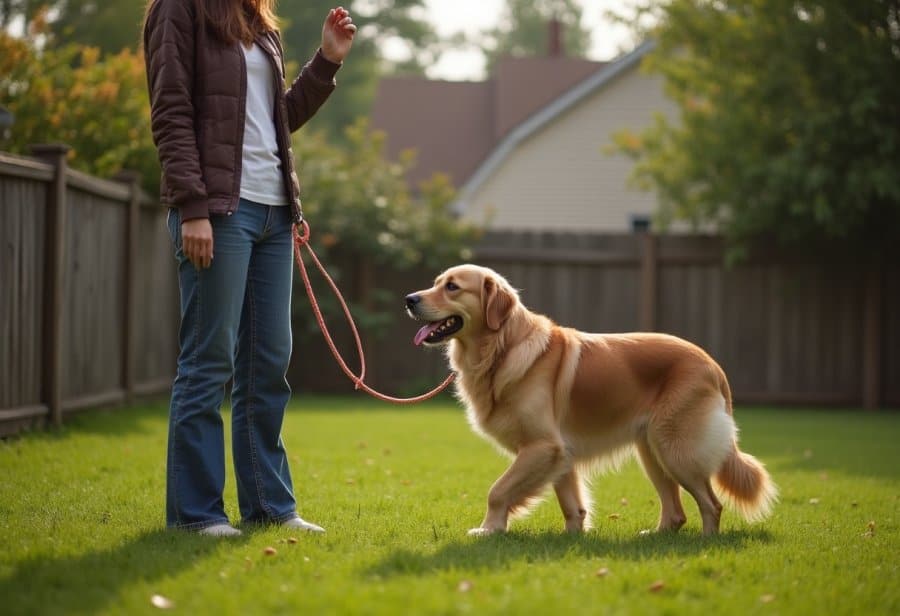
Applying Calm Walking Skills in Everyday Life
Putting calm dog walking techniques into everyday practice starts with small, manageable steps. Begin in quiet environments like your backyard or a nearby park with minimal distractions. Use treats and praise to reward your dog whenever they walk calmly at your side, especially when they respond to cues like “heel.” Keeping these sessions brief and consistent helps your dog understand what’s expected without feeling overwhelmed. Over time, they’ll associate peaceful walking with positive rewards, making focus easier to maintain.
As your dog gains confidence in calm settings, gradually introduce busier environments. Walks in crowded parks or along busy streets challenge their ability to stay focused amid excitement. Practice patience and stick to your cues, rewarding calm behavior every step of the way. This gradual exposure teaches your dog that staying relaxed is the best way to earn praise, even when surroundings become lively. Using tools like no-pull harnesses or gentle head halters can also make these outings smoother, providing better control and helping your dog mirror your relaxed energy.
Incorporating training into your daily routines reinforces good habits. Several short, regular walks each day with consistent cues and rewards turn calm leash walking into a natural behavior. Ending each session on a positive note encourages your dog to look forward to training rather than dread it. Remember to keep your tone calm and your body language relaxed—your dog picks up on your energy and will mirror your composure, making each walk a peaceful bonding experience.
Patience remains essential. If your dog pulls or becomes distracted, revisit earlier training steps and simplify the environment. Small setbacks are normal and part of the learning process. Celebrate progress, no matter how minor, and provide reassurance. Over time, these deliberate efforts transform chaotic outings into calm, confident walks, strengthening your bond and making every shared step a moment of trust and connection.
Investing Wisely: Costs of Training and Equipment for Peaceful Walks
Training a dog to walk calmly at your side involves a range of costs that can add up, depending on your approach. Basic equipment such as durable leashes, comfortable harnesses, and treats are affordable and widely available, forming the foundation for effective positive reinforcement. Investing in quality gear like no-pull harnesses or head halters can be pricier upfront but often makes controlling your dog easier and more comfortable for both of you, especially during more challenging outings.
Hiring a professional trainer or enrolling in group classes increases expenses but can accelerate progress and help you avoid common pitfalls. The guidance from experienced trainers provides tailored strategies, making your training more efficient. Online courses and training apps offer budget-friendly alternatives that still deliver valuable techniques and motivation, fitting into busy schedules without breaking the bank.
Treats and reinforcement supplies are ongoing costs but tend to be inexpensive, especially when bought in bulk or homemade. These rewards are essential for encouraging good behavior and maintaining consistency in training. Some owners also incorporate tools like clickers or calming aids, which require an initial investment but can streamline training and lead to faster, more reliable results.
Considering the long-term benefits, investing wisely now pays off by reducing the likelihood of behavioral problems that might require costly interventions later. A well-trained dog is less prone to issues like pulling, lunging, or anxiety, which can be expensive to address. Think of your spending as an investment in your dog’s future happiness and your shared peace of mind—each dollar spent helps create calm, confident leash walks and a stronger bond.
While the initial expenses can seem significant, they are a small price for the rewards of peaceful walks and improved harmony. Every piece of equipment, lesson, or treat contributes to building trust and understanding. Over time, these investments translate into a more manageable, joyful relationship that benefits both you and your dog in the long run.
Planning Your Path: Developing a Structured Training Routine
Creating a structured plan for ongoing training ensures that your dog continues to develop calm leash walking habits. Start by setting clear, achievable goals, like walking without pulling for a specific distance or maintaining focus amid distractions. Breaking these goals into smaller steps makes progress manageable and keeps your dog motivated. Regular practice is key—establish a consistent routine at the same times each day to build familiarity and reinforce good habits.
Keep a simple training journal to track what techniques work best and where your dog struggles. Recording successes and setbacks helps you refine your approach, ensuring steady improvement. As your dog gains confidence, gradually increase the challenge by introducing more distractions or extending walk durations, always maintaining your cues and positive reinforcement. This gradual approach prevents overwhelm and encourages your dog to generalize calm walking skills across different environments.
Variety in training settings is essential. Practice in different locations like parks, sidewalks, and quiet streets helps your dog adapt to new stimuli. Use familiar cues consistently and reward calm responses to strengthen understanding. Celebrating small wins keeps motivation high and builds your dog’s confidence in facing new challenges.
Patience remains crucial throughout the process. If your dog struggles or backslides, revisit earlier steps and simplify the environment to rebuild their confidence. Rushing progress can cause frustration, so focus on steady, deliberate efforts. Flexibility allows you to adapt your plan as needed, ensuring training remains positive and effective.
Remember, progress isn’t always linear. Some days will be better than others, but persistence pays off. Small, consistent steps lead to lasting habits, transforming your daily walks into peaceful, bonding moments. With a clear plan, patience, and positive reinforcement, you’ll develop a foundation that supports your dog’s ongoing growth and your shared enjoyment of every walk together.
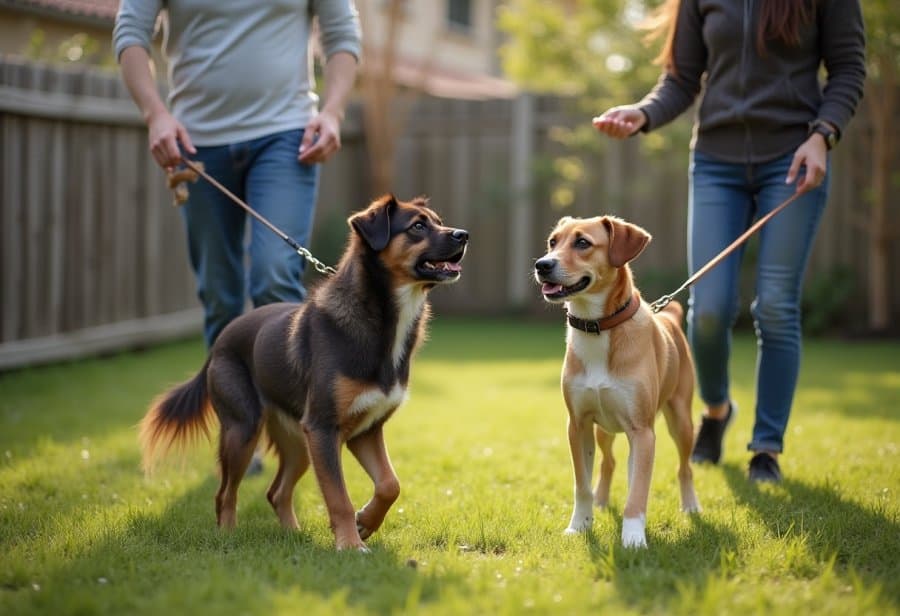
Overcoming Obstacles: Tackling Challenges and Setbacks in Calm Dog Walking
Training a dog to walk calmly isn’t always a straightforward process. Setbacks like pulling, distractions, or temporary regressions happen more often than owners might expect. When your dog encounters loud noises, other animals, or busy streets, they can become overwhelmed or anxious, leading to pulling or resistance. It’s easy to feel frustrated, but staying patient and adjusting your approach makes a big difference.
Breaking training into small, manageable steps helps your dog rebuild confidence after a setback. If pulling or distraction resurfaces, gently redirect their attention and reinforce the behaviors you want. Going back to basics—like practicing in quieter environments—can help your dog regain their focus and reduce stress. Sometimes, a brief pause or calm reassurance can help your dog settle when they seem overwhelmed.
Consistency is key, especially during setbacks. If your dog struggles in a stimulating environment, try practicing in calmer settings first, then gradually introduce more distractions. This step-by-step exposure teaches your dog that staying relaxed is the best way to earn praise, even in lively surroundings. Recognize that setbacks aren’t failures but chances to reinforce what’s working and address specific triggers.
Seeking help from a professional trainer can provide tailored strategies when challenges persist. An expert can identify underlying issues and suggest techniques suited to your dog’s personality, turning frustration into progress. Celebrating small wins—like a few seconds of calm amid chaos—builds your dog’s confidence and keeps motivation high.
Remember, setbacks are part of the learning process. Patience, persistence, and a positive attitude turn challenges into stepping stones. With steady effort, your dog will learn to stay calm and focused, transforming walks into peaceful, bonding moments you both can enjoy.