Probiotics are often heralded as vital allies for gut health, offering benefits like improved digestion and immune support. Yet, do we truly need them daily, or are they merely a temporary fix during times of disruption? This exploration delves into the nuanced role of these beneficial microbes—naturally found in fermented foods and supplements—and examines their strain-specific effects. While many enjoy mild, short-term perks from probiotic-rich diets, the real power lies in targeted use during antibiotic recovery, stress, or travel. Advances in science and technology promise a future where personalized, stable formulations provide more reliable benefits. But can these innovations surpass natural food sources as the most effective and sustainable way to nurture our microbiome? As our understanding deepens, probiotics stand at a crossroads—are they essential lifelong companions or simply a helpful tool for specific needs? The answer lies in informed, mindful choices that integrate probiotics into a balanced lifestyle for optimal long-term health.
Unlocking Gut Wellness: The Power of Probiotics
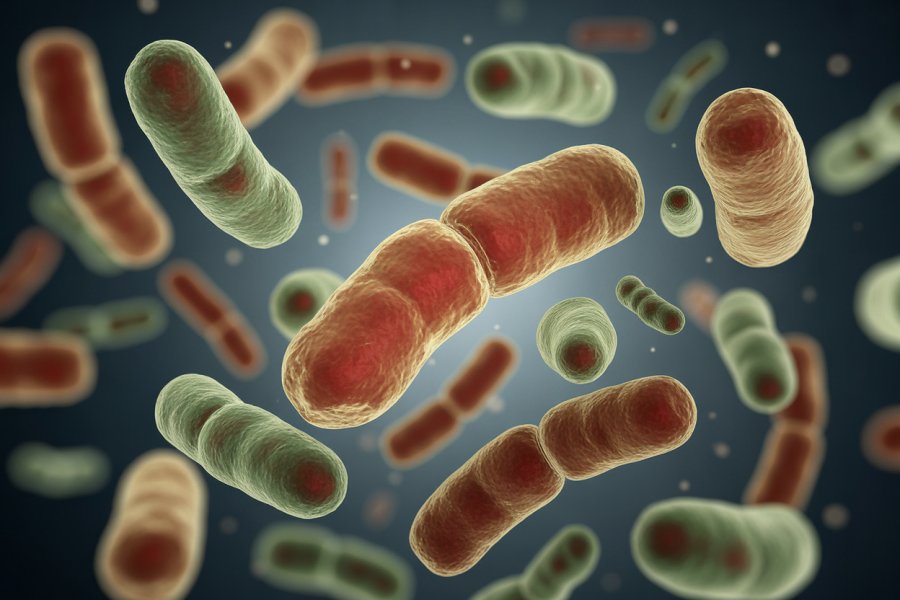
Probiotics are live microorganisms, often referred to as “good bacteria,” that support our digestive system when we include them in our diet. They naturally occur in fermented foods like yogurt, kefir, sauerkraut, and kimchi, as well as in dietary supplements. These tiny microbes play a crucial role in maintaining the balance of bacteria in our gut, which is essential for proper digestion, nutrient absorption, and immune function.
The main types of probiotics belong to the Lactobacillus and Bifidobacterium groups. Lactobacillus strains are commonly found in dairy products such as yogurt and kefir, while Bifidobacterium appears in both dairy and some supplements. There are also less common strains, including beneficial yeasts like Saccharomyces boulardii, and certain Streptococcus strains. Incorporating these microbes into your diet is straightforward—either through fermented foods or targeted supplements—to boost your gut’s microbial diversity.
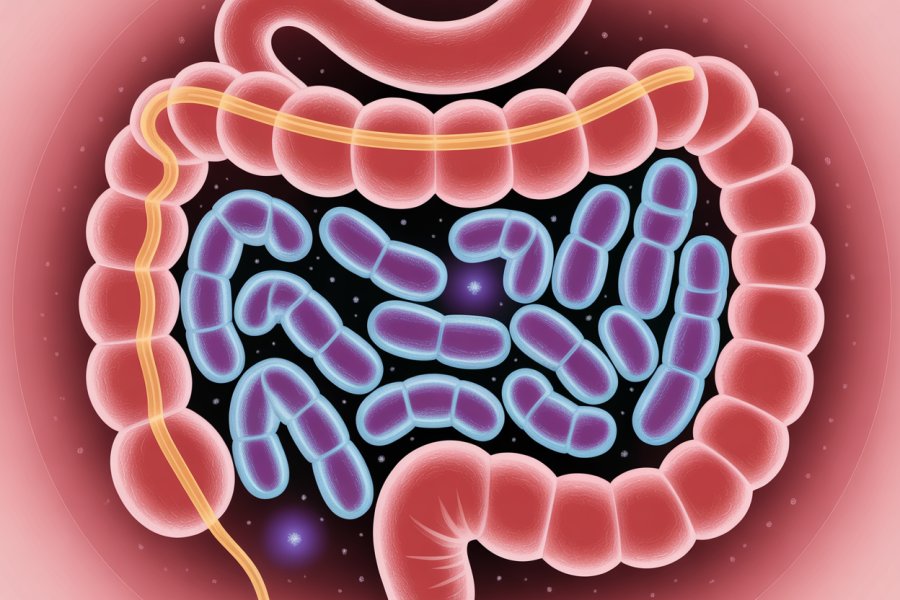
Supporting gut health goes beyond digestion. Probiotics help keep harmful bacteria in check by competing for resources and attachment sites within the gut lining. They produce substances like lactic acid and antimicrobial compounds that inhibit pathogenic bacteria, creating an environment that favors beneficial microbes. Maintaining this microbial balance is vital, as disruptions—caused by illness, antibiotics, or poor diet—can lead to digestive discomfort, weakened immunity, and other health issues.
While the benefits of probiotics are well-supported, they are not one-size-fits-all. Their effects are strain-specific, meaning certain bacteria provide specific advantages, and what works for one person may not for another. For healthy individuals, probiotics often offer mild or temporary improvements, especially during times of stress, illness, or antibiotic use. Natural dietary sources typically meet most people’s needs without the need for supplements, making them a simple, effective way to support gut health.
Understanding what probiotics are and how they support gut health helps you make informed choices. They serve as a tool to restore and maintain microbial balance, particularly during periods of disruption. However, they should complement a balanced diet rich in fiber and fermented foods rather than replace healthy eating habits or medical treatments. When used thoughtfully, probiotics can be an easy, effective part of your overall health routine.
Maximizing Benefits and Navigating Limits of Probiotics
Probiotics offer clear benefits for gut health, making them a popular choice for many seeking digestive support. By helping maintain a balanced and diverse microbiome, they can ease issues like bloating, irregularity, and discomfort, especially after illness or antibiotic use. Supporting gut bacteria also plays a role in strengthening the immune system, since a large portion of immunity is linked to a healthy gut environment. The availability of probiotic-rich foods and supplements makes it easy to incorporate these beneficial microbes into daily routines.
However, the effects of probiotics are not universal. Their benefits are highly strain-specific, which means that not all bacteria provide the same advantages. What works well for one person might have little impact on another, especially if their diet is already balanced. Some individuals may experience mild side effects, such as gas or bloating, when first starting probiotics—though these usually fade quickly. The overall effectiveness also depends on the quality of the product; not all supplements contain live bacteria in sufficient quantities, and improper storage can reduce their potency.
Probiotics are best viewed as supportive tools rather than cure-alls. They are most helpful during specific times—such as after antibiotics, during stressful periods, or when traveling—when the gut’s balance is at risk. For everyday health, consuming fermented foods like yogurt, kefir, sauerkraut, and kimchi often provides enough benefits to maintain gut diversity without the need for supplements. In this way, natural sources tend to offer a more sustainable and enjoyable approach to supporting your microbiome.
It’s important to note that probiotic products vary significantly in quality. Choosing reputable brands that specify strains, CFU counts, and proper storage instructions can make a real difference in ensuring the bacteria survive transit through the stomach and reach the gut alive. Proper storage, such as refrigeration when required, helps preserve their effectiveness. Without attention to these details, the potential benefits of probiotics may never fully materialize, leaving you with little more than an unnecessary expense.
In the end, probiotics are a helpful addition to a healthy lifestyle but are not substitutes for a balanced diet rich in fiber and fermented foods. For most people, maintaining a routine that includes probiotic-rich foods and prebiotics—the fibers that feed beneficial bacteria—is enough to support long-term gut health. Listening to your body and adjusting your intake based on how you feel can help you get the most out of probiotic support. When used thoughtfully, probiotics can be a simple yet powerful way to bolster your digestive well-being.
Probiotics Today: Practical Insights for Everyday Use
Probiotics are more integrated into daily life than ever before, making it easier to support gut health without added effort. Today, you’ll find probiotic strains in various formats—capsules, powders, liquids—that are designed for convenience and targeted benefits. Alongside these, fermented foods like yogurt, kefir, sauerkraut, and kimchi have become popular options for naturally boosting beneficial bacteria. These foods are not only tasty but also simple to include in everyday meals, helping you maintain a steady intake of probiotics effortlessly.
Many people customize their probiotic routines based on their specific needs. For instance, some turn to supplements during stressful periods, travel, or after illness to help their gut recover. Others prefer to focus on daily consumption of fermented foods to keep their microbiome balanced over the long term. Scientific research highlights strains like Lactobacillus acidophilus and Bifidobacterium bifidum, leading brands to offer targeted formulas tailored to digestion, immunity, or overall wellness. This flexibility allows consumers to choose products that align with their personal health goals.
The trend now emphasizes integrating probiotics into broader health routines rather than relying solely on supplements. Many recognize the connection between gut health and overall well-being, including mood, skin health, and energy. Combining probiotic-rich foods with high-fiber diets creates a holistic approach that’s sustainable and enjoyable. Regularly consuming fermented foods and prebiotics—fiber that feeds beneficial microbes—supports a healthy microbiome without the need for constant supplementation, making it a practical, natural choice.
Advances in science and technology continue to improve probiotic products. New formulations like shelf-stable capsules and targeted delivery systems ensure bacteria survive stomach acid and reach the intestines. These innovations make probiotic use more convenient, especially for busy lifestyles. As research progresses, we’re seeing more personalized options, with strains selected for specific health concerns. This shift toward precision probiotics means future products will be more effective, reliable, and tailored to individual needs.
Despite these advancements, it’s worth remembering that probiotics are not a one-size-fits-all solution. They work best when integrated into a balanced diet rich in fiber, fruits, vegetables, and fermented foods. For many, maintaining a consistent intake of probiotic foods provides enough support without the need for supplements. In times of disruption—such as illness, travel, or stress—targeted probiotic use can give the microbiome a helpful boost. However, for everyday health, natural sources often suffice.
Staying informed about new developments helps maximize probiotic benefits. As research uncovers more about specific strains and their roles, products will become increasingly tailored and effective. Participating in microbiome studies or following credible science can help you make smarter choices. The future of probiotics looks promising, with innovations that fit seamlessly into daily routines, offering personalized support that enhances overall well-being.
Incorporating probiotics into your lifestyle is about balance and consistency. Focus on quality, choose reputable products, and listen to your body’s responses. Whether through fermented foods or supplements, these small daily choices can support your gut health naturally and sustainably. By making informed, mindful decisions, you can enjoy the benefits of a healthy microbiome—improving digestion, immunity, and vitality in a straightforward, enjoyable way.
Smart Strategies for Incorporating Probiotics into Your Routine
Incorporating probiotics into your daily routine can be straightforward and effective when you choose reputable products. Look for supplements that clearly list the strains included and specify the colony-forming units (CFUs) to ensure you’re getting an effective dose. Proper storage is key; many capsules require refrigeration to keep the bacteria alive until consumption. When selecting fermented foods like yogurt, kefir, sauerkraut, or kimchi, opt for those labeled with live cultures to maximize benefits. Including these foods regularly in your meals makes maintaining a probiotic-rich diet both simple and enjoyable.
Timing your intake can influence how well probiotics work. Taking supplements on an empty stomach or with a meal containing some fat can help more bacteria survive stomach acid and reach your gut intact. If you’re recovering from illness or antibiotics, starting probiotics a few days after treatment and continuing for a couple of weeks can help replenish beneficial bacteria. For daily maintenance, eating probiotic foods like yogurt or kimchi with your meals is often enough to support your microbiome naturally.
When choosing probiotic products, pay attention to the strains used. Strains such as Lactobacillus acidophilus or Bifidobacterium bifidum are well-studied for their positive effects on digestion and immunity. The dosage matters too—higher CFU counts, often in the billions, increase the likelihood of seeing benefits. Ensure the product is stored correctly, especially if refrigeration is recommended, to keep the bacteria alive and effective. Without proper storage, the bacteria may die off, reducing the product’s potency and your potential benefits.
For those who prefer natural options, regularly consuming fermented foods is an excellent way to support gut health without relying solely on supplements. Incorporate yogurt or kefir into your breakfast, add sauerkraut or kimchi to salads and sandwiches, or enjoy miso soup—these foods contain live beneficial bacteria that help maintain microbial diversity. Pairing these with a fiber-rich diet from fruits, vegetables, and whole grains feeds your microbes, encouraging a thriving and balanced microbiome.
Timing and consistency are essential. Probiotics are most effective when used during periods of disruption—such as after antibiotics, stressful times, or travel—when your gut’s balance is most vulnerable. For everyday health, maintaining a steady intake of probiotic foods and prebiotics often suffices, reducing the need for supplements. Listen to your body: if you experience bloating or gas initially, it’s normal, but if symptoms persist, consider adjusting your approach or consulting a healthcare professional.
Supporting your gut health with probiotics isn’t about perfection; it’s about making smart, sustainable choices. Focus on quality, incorporate fermented foods into your routine, and pay attention to how your body responds. These small, mindful steps can have a meaningful impact on your digestion, immunity, and overall well-being. When integrated thoughtfully, probiotics become a natural, easy part of a balanced lifestyle that supports long-term health.
Future Horizons: Innovations Shaping Gut Health and Probiotics
The future of probiotics and gut health is poised for exciting advancements driven by rapid scientific progress and technological innovation. Researchers are uncovering new probiotic strains tailored to target specific health issues beyond digestion, including mental health, skin conditions, and metabolic disorders. This move toward precision microbiome therapy means future products will be more personalized, based on an individual’s unique gut profile, leading to greater effectiveness and relevance.
Advances in delivery methods are transforming how probiotics reach the gut. Shelf-stable formulations and innovative capsules that protect bacteria from stomach acid are becoming increasingly common. These improvements ensure that beneficial microbes survive transit and reach their target sites intact, making probiotic use more convenient and reliable. Expect to see targeted-release mechanisms that deliver bacteria directly where they’re needed most, enhancing their support for overall health.
Bioengineering is opening new avenues with engineered strains designed to produce specific beneficial compounds or modulate immune responses more effectively. These next-generation probiotics can be customized to address complex health concerns, from allergies to mental well-being. As understanding of the microbiome deepens, these tailored solutions will become more sophisticated, integrating seamlessly into personalized health strategies and offering more precise support for diverse needs.
Continued research will also expand our knowledge of how probiotics interact with other lifestyle factors, such as diet, stress, and medication. This holistic view will enable more effective integration of probiotics into daily routines, emphasizing lifestyle changes that reinforce gut health. As credible scientific evidence accumulates, consumers will have access to more trustworthy, targeted products designed to optimize microbiome balance and overall vitality.
Looking ahead, probiotics are likely to evolve from simple supplements into essential tools for holistic wellness. With innovations in formulation, personalization, and scientific understanding, they will become integral to maintaining long-term health—supporting everything from digestion and immunity to mood and energy. This ongoing evolution promises to make gut health support more accessible, effective, and tailored, helping individuals achieve better overall well-being through smarter, science-backed choices.