Imagine transforming urban landscapes with a solution that not only prevents flooding but also enhances environmental health—permeable pavers hold that promise. As cities grapple with more intense storms and rising sprawl, these porous surfaces allow rainwater to naturally infiltrate the soil, easing strain on overburdened stormwater systems. They filter pollutants, recharge groundwater, and create greener, more resilient communities. Yet, despite their growing adoption, high initial costs and maintenance challenges linger, prompting questions about long-term viability. Advances in materials and smart sensor technology are paving the way for adaptive, durable solutions, but how soon will permeable paving become a standard feature in all urban planning? Can innovative policies and community engagement truly accelerate widespread implementation? As climate change forces cities to rethink infrastructure, permeable pavers emerge not just as a practical fix but as a vital, transformative strategy for sustainable urban growth—raising the stakes for smarter, greener cities of the future.
Chapter Overview
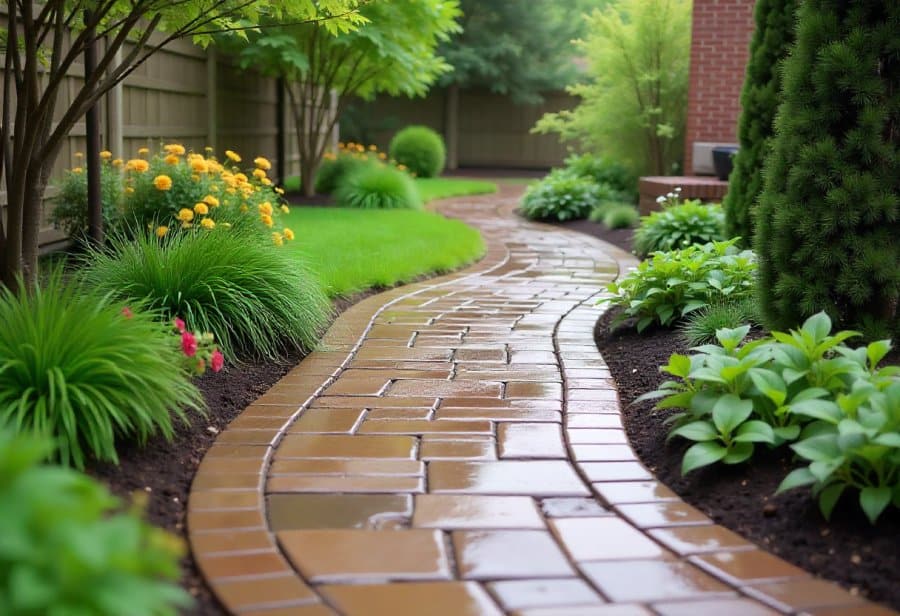
Harnessing Permeable Pavers to Combat Urban Flooding
Urban flooding has become a pressing concern for cities worldwide, especially as heavy rains and rapid development push existing drainage systems to their limits. When rainwater can’t soak into the ground efficiently, it pools on streets, floods basements, and overwhelms stormwater infrastructure, leading to property damage and safety risks. As climate change brings more intense and unpredictable storms, finding sustainable ways to manage stormwater is more critical than ever.
Permeable pavers offer a practical and eco-friendly solution by mimicking natural water absorption. Unlike concrete or asphalt, which block water flow, permeable pavers are designed to let rainwater seep into the ground naturally. This process reduces surface runoff, easing the burden on stormwater systems and helping prevent urban flooding. By allowing water to infiltrate directly into the soil, these surfaces turn urban landscapes into mini water catchments, balancing rainfall flow across the city.
Beneath the surface, layers of gravel or coarse sand serve as reservoirs, temporarily holding water and guiding it into the ground at a controlled rate. Proper design and installation are key to ensuring these layers facilitate smooth water movement without clogging or structural issues over time. When installed correctly, permeable pavers can effectively manage stormwater while maintaining durability against traffic, weather, and environmental stresses.
In addition to flood mitigation, permeable pavers support groundwater recharge and improve water quality. As rainwater filters through the porous surfaces, it traps pollutants like sediments and oils, preventing them from entering local waterways. This natural filtration process benefits ecosystems and reduces pollution, making permeable paving a vital component of sustainable urban planning.
With urban sprawl replacing natural landscapes with impermeable surfaces, the adoption of permeable pavers is more important than ever. They offer a smart, sustainable way to reduce flooding risks, protect water resources, and create more resilient communities. As cities continue to grow and climate challenges intensify, permeable pavers stand out as a practical solution to help cities adapt and thrive in a changing world.
Design Principles and Material Choices for Effective Permeable Paving
Permeable paving technology focuses on creating surfaces that allow water to pass through easily, making urban water management more effective. These systems combine specific materials and thoughtful design to optimize water infiltration while maintaining strength and durability. Common options include permeable concrete, porous asphalt, and interlocking pavers made from porous stones or specially designed blocks with voids or openings. The choice of material depends on the project’s needs, whether for parking lots, sidewalks, or driveways, balancing permeability with load-bearing capacity.
Beneath the surface, a layer of gravel or coarse sand acts as a reservoir, temporarily holding infiltrating water and guiding it into the soil below. This base layer slows water flow and ensures even distribution, preventing clogging and structural issues over time. Proper design involves careful preparation of this sub-base to maintain porosity, which is crucial for consistent water flow and long-term performance. When installed correctly, these layers work together to facilitate smooth water movement and support structural integrity.
Design considerations are vital for maximizing the effectiveness of permeable pavements. Material porosity, the thickness of the base layer, and drainage pathways influence how well a surface manages stormwater. Avoiding compaction of the gravel layer preserves infiltration capacity, while selecting resistant materials helps prevent cracking or deformation due to environmental stresses. The aesthetic aspect can also be tailored, with pavers arranged in patterns or colors that blend seamlessly into urban landscapes, making functionality and visual appeal coexist.
Durability remains a key focus. Modern permeable pavers are engineered to withstand heavy loads, extreme weather, and ongoing use without losing permeability. Advances in material science have produced products resistant to cracking, erosion, and clogging—common concerns in permeable surfaces. Regular maintenance, such as surface cleaning to remove debris and sediments, is essential to keep pores open and functioning efficiently over many years.
Installing permeable pavers involves precise preparation of the sub-base and careful placement of the pavers or porous materials. This process ensures proper drainage, structural stability, and longevity. When done correctly, permeable paving can last decades, providing a sustainable and resilient solution for urban water management. The right material choice and installation practices create surfaces that not only manage stormwater but also stand the test of time.
Choosing the appropriate permeable paving material depends on specific application requirements and environmental conditions. Interlocking concrete pavers are popular for high-traffic areas because of their strength and ease of maintenance. Porous asphalt or concrete offers seamless, water-permeable surfaces suitable for driveways and parking lots. Each option plays a vital role in reducing runoff, preventing urban flooding, and supporting sustainable development.
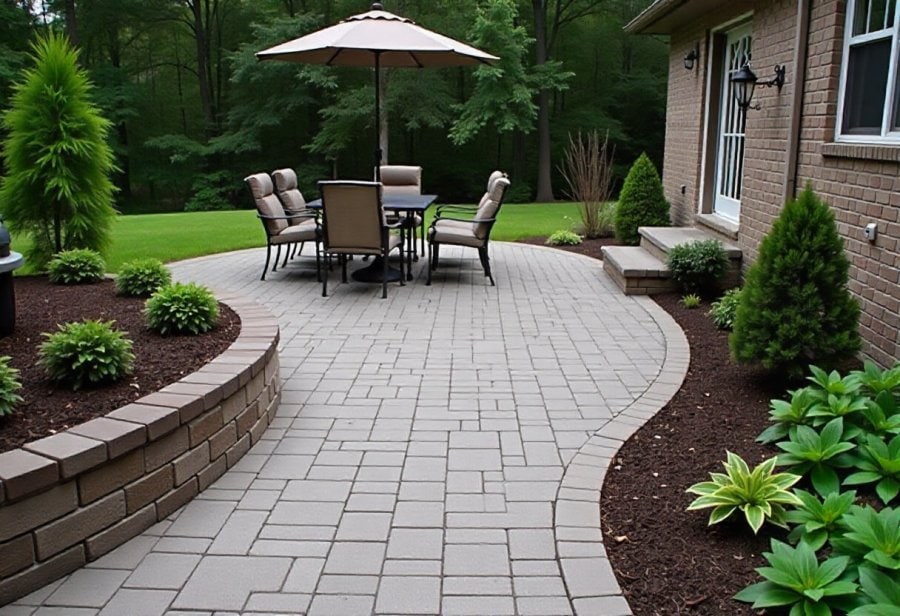
Adoption Trends, Challenges, and Success Stories of Permeable Pavers
Permeable pavers are increasingly being adopted across cities worldwide as a practical solution to urban flooding. Many municipalities have integrated these systems into public spaces, parking lots, and driveways, demonstrating their effectiveness in reducing runoff during heavy rains. Pilot projects and larger-scale implementations show that permeable pavers help mitigate flood risks by allowing rainwater to seep into the ground rather than overwhelming stormwater infrastructure. This shift not only offers immediate flood prevention but also promotes healthier water cycles within urban areas.
Despite their growing popularity, widespread use of permeable pavers faces some hurdles. Higher initial costs compared to traditional asphalt or concrete can discourage property owners and developers from choosing these options. Proper installation is crucial; if the base layers aren’t prepared correctly or if materials aren’t carefully selected, the permeability can decline over time. Clogging from debris and sediments remains a concern, making consistent maintenance essential to sustain their performance and longevity.
Maintenance poses a significant challenge but is manageable with regular cleaning to prevent sediments, oils, and debris from clogging the pores. Without this upkeep, the ability of permeable surfaces to manage stormwater diminishes, raising questions about long-term durability. Many cities have found success by combining permeable pavers with other green infrastructure strategies, particularly in flood-prone zones. These integrated approaches improve overall resilience, making permeable paving a vital part of urban water management.
Regions like North America, Europe, and Australia lead the way in implementing permeable paving solutions, driven by policies that promote sustainable development. Advances in materials—such as improved porous composites resistant to cracking and clogging—enhance durability and ease of maintenance. Some cities are even experimenting with sensor-equipped surfaces that monitor flow and clogging in real time, providing data to optimize performance and reduce upkeep costs.
Policy and regulation play pivotal roles in expanding permeable paving adoption. Updating building codes and environmental standards encourages developers to incorporate these solutions from the outset. Public demonstration projects and educational campaigns help dispel misconceptions, showcasing the tangible benefits of permeable pavers in reducing flooding and improving water quality. As awareness and technology advance, permeable pavers are set to become a standard feature in resilient, sustainable urban environments.
To maximize their benefits, many cities are exploring innovative ways to monitor and maintain permeable surfaces effectively. Implementing systems that track flow rates and clogging levels can help optimize performance and ensure longevity. This approach aligns with the understanding that Rainwater naturally seeps into the soil through permeable surfaces, supporting sustainable urban water management practices.
Driving Urban Change: Policies, Community Initiatives, and Innovative Strategies
Promoting the widespread adoption of permeable pavers hinges on effective policies and proactive community engagement. Cities can lead the way by integrating permeable paving standards into building codes and zoning regulations, making sustainable stormwater management a fundamental part of urban development. When property owners and developers see these standards as the norm, it becomes easier to incorporate permeable surfaces from the outset, especially if incentives or subsidies are available to offset initial costs. Such policies not only encourage early adoption but also set a clear expectation for future projects.
Public awareness plays a crucial role in shifting attitudes and fostering support. Educating residents, business owners, and local officials about the environmental and economic benefits of permeable pavers builds a foundation of understanding and enthusiasm. Community workshops, demonstration projects, and targeted informational campaigns help illustrate how these surfaces reduce flooding, improve water quality, and enhance neighborhood aesthetics. When people witness firsthand the positive impacts—like fewer flooded streets and cleaner waterways—they become advocates for wider implementation.
Pilot programs and city-led initiatives serve as tangible proof points that demonstrate the effectiveness of permeable paving. These projects generate valuable data on installation, maintenance, and performance, helping to dispel misconceptions about cost or complexity. Success stories from these efforts build confidence among stakeholders, encouraging broader adoption across neighborhoods and commercial areas. Showcasing how permeable surfaces integrate seamlessly into urban environments helps overcome resistance rooted in aesthetic or logistical concerns.
Collaborating with industry experts, environmental organizations, and policymakers ensures that best practices and innovative solutions drive implementation. Developing clear technical guidelines and offering training for contractors and city planners help maintain high standards during installation. When stakeholders work together, they can create modular designs and maintenance protocols that make permeable pavers more accessible and easier to manage over time. This collaborative approach accelerates progress and ensures long-term sustainability.
Innovative design also plays a key role in increasing acceptance. Creative patterns, vibrant colors, and multi-functional layouts transform permeable pavers from purely functional elements into attractive features of urban landscapes. When permeable surfaces are visually appealing and integrated into parks, streetscapes, and public spaces, communities are more inclined to embrace them. Making permeable paving a visible part of city identity encourages residents to see these solutions as integral to a modern, resilient city.
Sustained education, outreach, and data sharing foster a culture of environmental responsibility. Demonstration projects, success stories, and ongoing community involvement highlight the tangible benefits of permeable pavers, motivating cities and residents alike to prioritize green infrastructure. As awareness grows and technological innovations continue to emerge, permeable paving will become a standard component of resilient urban planning, helping communities adapt to climate challenges while enhancing quality of life.
Transform Your Toronto Outdoor Space with Expert Landscaping Solutions
Discover how Toronto Landscape & Design can elevate your outdoor environment with award-winning designers who take every detail into consideration. Our services include natural stone installations, water gardens, irrigation systems, and retaining walls, all tailored to create a stunning and functional landscape. Whether you’re looking to reduce backyard flooding, enhance your curb appeal, or craft a beautiful retreat right in Toronto, we’ve got you covered. Our team specializes in professional landscaping that combines beauty and practicality, ensuring your outdoor space is both inviting and sustainable. Contact us at https://TorontoLandscapeDesign.com or call 1.416.644.0499 to start transforming your yard today.
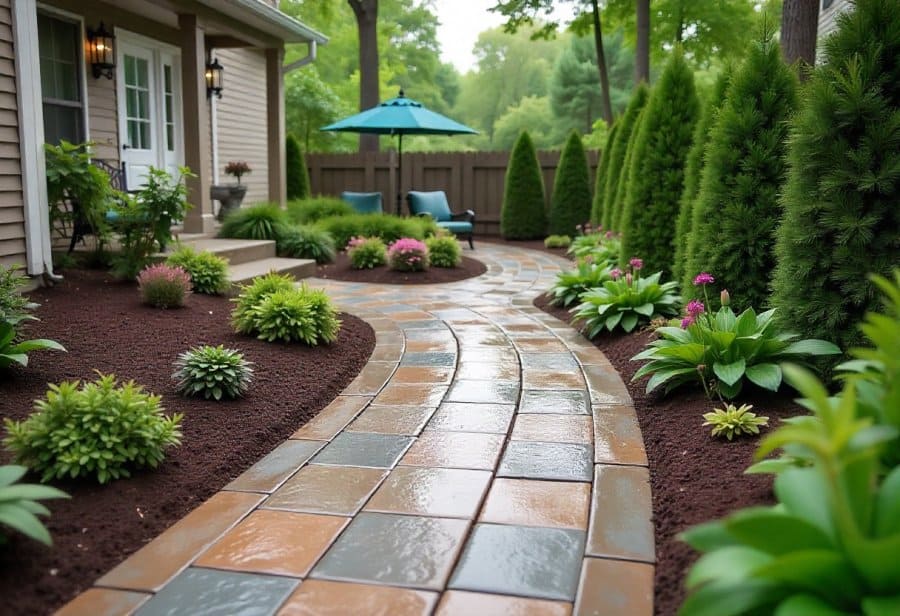
Paving the Future: Innovations, Policies, and the Path Toward Resilient Cities
The future of permeable paving technology looks brighter than ever as ongoing innovations aim to tackle current challenges and broaden its application in urban environments. Advances in materials now produce permeable pavers that are more durable, cost-effective, and easier to maintain, encouraging wider adoption across different projects. Researchers are exploring new porous composites and recycled materials designed to withstand heavy traffic and harsh weather conditions, making these surfaces suitable for everything from parking lots to urban plazas. Additionally, the integration of smart sensors into permeable surfaces promises real-time monitoring of water flow, clogging, and structural health, enabling cities to optimize maintenance and performance proactively.
As climate change continues to intensify weather extremes, resilient infrastructure like permeable pavers becomes increasingly vital. Cities are recognizing that these surfaces do more than just reduce flooding—they also help lower urban heat islands, support groundwater recharge, and promote overall sustainability. Policy shifts, including updated building codes and environmental standards, are likely to make permeable paving a standard feature of urban planning, driving widespread integration. This alignment of technology, policy, and environmental necessity positions permeable pavers as a cornerstone of smarter, greener cities.
Technology will further revolutionize stormwater management strategies through the deployment of IoT-enabled permeable surfaces. Embedded sensors can provide continuous data on water flow and clogging, allowing for predictive maintenance and better resource allocation. This proactive approach not only extends the lifespan of permeable surfaces but also enhances their role in flood prevention and water quality improvement. With these innovations, cities can respond swiftly to changing weather patterns, preventing flooding before it happens and reducing long-term costs.
Public awareness and community involvement will continue to shape the trajectory of permeable paving. Demonstration projects, educational campaigns, and neighborhood initiatives build support by showcasing tangible benefits, like reduced flooding and cleaner waterways. When residents see these positive impacts firsthand, they become advocates, encouraging broader adoption and inspiring local governments to prioritize green infrastructure investments. This grassroots momentum ensures permeable pavers become an integral part of urban resilience strategies.
Ultimately, the evolution of permeable paving will be driven by a synergy of technological progress, progressive policies, and active community engagement. As cities face the realities of climate change and expanding urban sprawl, these surfaces will play a central role in creating sustainable, flood-resilient environments. Their aesthetic versatility, coupled with ongoing innovations, will make permeable pavers not just a functional necessity but also a defining feature of future urban landscapes—blending resilience, beauty, and environmental responsibility seamlessly.