Cleopatra VII is often reduced to a myth of beauty and romance, but her true legacy lies in her intellect, strategic mastery, and resilience as Egypt’s last pharaoh. This portrayal reveals a leader who navigated political turmoil, forged powerful alliances, and maintained her kingdom’s independence through wisdom and diplomacy—not superficial charm. Her multilingual skills, scholarly pursuits, and support for Alexandria’s great library underscore her commitment to knowledge as a tool of power. Yet, modern myths have overshadowed her accomplishments, emphasizing her relationships with Roman generals rather than her political acumen. Could her real influence be the enduring strength of her mind? Her story challenges stereotypes about female leadership, demonstrating that lasting impact is rooted in intelligence, adaptability, and strategic foresight. Cleopatra’s life compels us to reconsider what true power means—does it stem from appearance or from the sharpness of one’s mind?
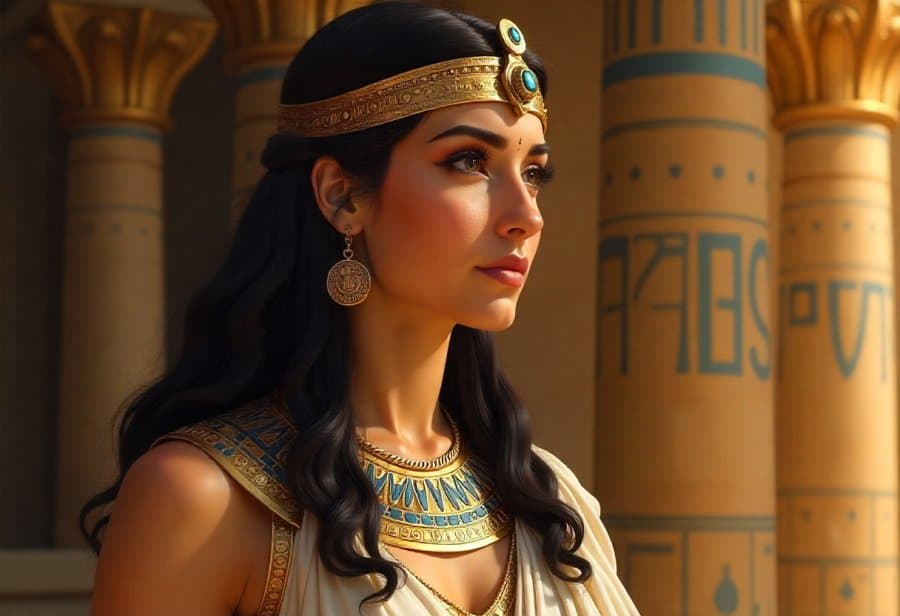
Unveiling Cleopatra VII: Power Rooted in Intellect and Strategy
Cleopatra VII is often remembered through Hollywood’s lens as a glamorous seductress, but the reality of her leadership was far more impressive. She was a formidable ruler whose true strength lay not in her appearance or romantic liaisons, but in her sharp mind and political mastery. As the last pharaoh of Egypt, Cleopatra navigated a turbulent era marked by internal unrest and the expanding influence of Rome. Her ability to maintain her throne depended on strategic thinking, diplomacy, and a deep understanding of her kingdom’s intricate politics. She was a leader who knew that power came from intellect and skill, not just charm or beauty, and she used her intelligence to shape her legacy.
The political landscape during Cleopatra’s reign was a blend of ancient Egyptian traditions and Hellenistic influences brought by her Macedonian Greek ancestors. Her dynasty, the Ptolemies, had inherited a fragmented Egypt after Alexander the Great’s conquest, leaving her with a legacy of cultural fusion and political challenge. Her Macedonian roots shaped her approach—cunning, adaptable, and strategic—allowing her to balance Greek customs with Egypt’s deep religious and cultural traditions. This unique perspective enabled her to craft policies that aimed to preserve Egypt’s independence amid the rising tide of Roman power.
What sets Cleopatra apart from Hollywood portrayals is her extraordinary intellect. She was highly educated, fluent in multiple languages including Egyptian, Greek, and Latin, enabling her to communicate directly with a wide array of allies and rivals. Her scholarly pursuits at Alexandria’s famed library reflect her commitment to learning and knowledge. Cleopatra believed that a ruler’s strength came from understanding the complexities of politics, philosophy, and science. Her ability to think critically, learn continuously, and adapt her strategies made her a master of diplomacy and governance—traits that helped her hold onto power longer than many expected.
The Genius of Cleopatra: Mastering Languages, Learning, and Diplomacy
Cleopatra’s intelligence extended far beyond her reputation for beauty; it was her sharp mind, multilingual abilities, and scholarly pursuits that truly set her apart. Fluent in Egyptian, Greek, Latin, and several other languages, she could communicate directly with a diverse range of allies, rivals, and foreign diplomats. This linguistic skill gave her a significant strategic edge, allowing her to craft messages and negotiate treaties across cultural boundaries without relying heavily on intermediaries. Speaking the languages of both her friends and foes, she built credibility and trust—key elements for a ruler navigating the complex web of international politics.
Her education was extensive and deeply rooted in intellectual curiosity. Cleopatra was known for her dedication to learning, engaging actively with the ideas circulating in her time. She supported Alexandria’s famed library—one of the ancient world’s greatest centers of knowledge—and participated in debates on philosophy, science, and mathematics. Her love for scholarship helped her develop a nuanced understanding of political theory, scientific progress, and philosophical debates, giving her insights that went beyond mere diplomacy.
This broad intellectual foundation was a strategic asset. Cleopatra understood that knowledge was essential for maintaining power and staying ahead of her rivals. Her capacity for critical thinking and her willingness to adapt her strategies based on new insights made her a master diplomat and leader. Whether negotiating with Julius Caesar, Mark Antony, or her internal officials, she approached each challenge with an analytical mind and a calm, calculated demeanor.
Her alliances with powerful figures exemplify her mastery of political strategy rooted in intelligence. These relationships were carefully crafted and often driven by shared interests rather than personal affection alone. Cleopatra’s diplomatic finesse was evident in her ability to read her environment, craft compelling arguments, and respond swiftly to shifting circumstances. Her broad knowledge and linguistic skills allowed her to navigate the treacherous waters of geopolitics with confidence and precision.
Cleopatra’s leadership was also shaped by her Macedonian heritage, which emphasized resilience, adaptability, and strategic thinking. She inherited qualities of military and political prowess from her ancestors and applied these traits alongside her intellectual abilities. Facing rebellions and the rising influence of Rome, she demonstrated remarkable resilience—adjusting tactics, forging new alliances, and using her intelligence as her primary tool for survival. Her ability to combine inherited strength with her sharp mind made her a formidable ruler.
Ultimately, Cleopatra’s intellectual pursuits and linguistic mastery weren’t just personal interests—they were central to her success. Her broad knowledge and strategic thinking enabled her to anticipate threats, seize opportunities, and prolong Egypt’s independence longer than many expected. Her legacy underscores that leadership rooted in intelligence, curiosity, and adaptability can shape history, proving that the true power of a ruler lies in the strength of the mind.
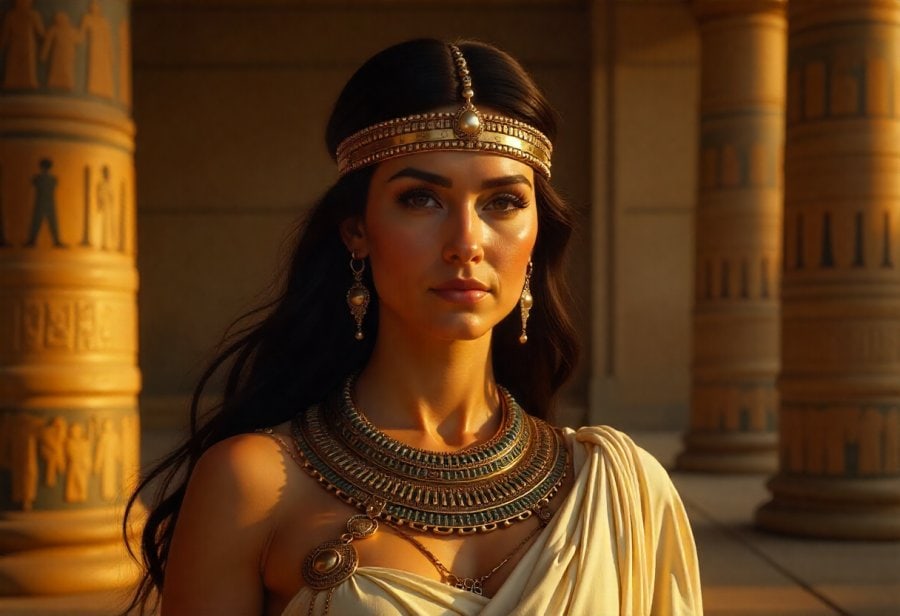
Beyond Beauty: How Cleopatra’s Mind Became Her True Power
Cleopatra’s true power did not originate from her beauty or her romantic entanglements; it was rooted in her sharp mind and strategic thinking. She understood that leadership requires more than superficial charm—success depends on intelligence, foresight, and the ability to adapt swiftly to changing circumstances. Her mastery lay in crafting complex alliances, navigating tense political landscapes, and making calculated decisions that preserved her reign.
Her diplomatic approach was based on keen insight rather than persuasion alone. Cleopatra excelled at reading her opponents, anticipating their moves, and responding with precision. Whether dealing with Julius Caesar or Mark Antony, she approached each relationship as a carefully planned move in a high-stakes game. Her capacity to weigh risks and benefits, thinking several steps ahead, made her a formidable strategist.
Knowledge was her most vital tool. Cleopatra supported scholarly pursuits at Alexandria’s famed library and engaged with philosophers, scientists, and thinkers. Her curiosity and love for learning provided her with a nuanced understanding of political issues, scientific advancements, and philosophical debates. This depth of knowledge allowed her to craft policies rooted in wisdom rather than impulse, giving her a strategic edge.
Resilience and adaptability defined her leadership style. Cleopatra faced rebellions, rival factions, and the rising influence of Rome, yet she relied on her intelligence and flexibility to survive. She adjusted tactics as needed, forged new alliances, and responded swiftly to crises. Her calm under pressure and strategic responses set her apart from rulers who depended solely on military strength.
Cleopatra’s leadership was ultimately a mental game. Her ability to think critically, plan ahead, and respond swiftly to challenges ensured her longevity. She turned threats into opportunities, demonstrating that true strength lies in mental agility and strategic insight. Her legacy reminds us that genuine power comes from the mind, not just appearance or charm.
Shaping History: Cleopatra’s Enduring Legacy of Leadership and Innovation
Cleopatra’s influence extended far beyond her time on the throne. Her ability to forge strategic alliances, navigate political upheaval, and maintain Egypt’s independence left a legacy that continues to resonate through history. She proved that leadership rooted in intelligence and resilience can leave a lasting imprint, far surpassing the borders of her kingdom. Her story reminds us that true power isn’t solely about territory or wealth but about shaping the future through foresight, diplomacy, and wise decisions.
Her diplomatic skill was legendary. Cleopatra knew how to build bridges across cultures and political factions, often transforming potential enemies into allies. Even amidst rebellions and external threats, she remained adaptable and resilient, swiftly adjusting her tactics to respond to changing circumstances. This flexibility helped Egypt hold its ground against larger empires, demonstrating that influence stems from strategic thinking and relationship-building rather than brute force alone.
Beyond politics, her patronage of knowledge and scholarship shaped her enduring legacy. She championed the Library of Alexandria and actively supported scholars, scientists, and philosophers. Her personal involvement in fostering learning underscored her belief that wisdom was essential for effective leadership. This dedication to intellectual growth fostered innovation and inquiry, leaving a cultural and scientific imprint that endured long after her reign.
Cleopatra challenged modern perceptions of female rulers by demonstrating that intelligence, resilience, and strategic thinking are powerful tools for any leader. Her example encourages women across generations to pursue knowledge, lead with confidence, and trust in their wit and wisdom. Her legacy pushes us to see leadership as rooted in the strength of the mind, not just traditional authority or appearance.
Many Hollywood stories and myths have overshadowed her true achievements, but her real impact lies in her capacity to think critically, adapt swiftly, and lead with insight. Cleopatra understood that genuine power depends on a sharp mind and resilience—traits that allowed her to shape her destiny and leave an indelible mark on history. Her influence reminds us that lasting legacy is built on ideas, relationships, and strategic foresight.
Her story continues to inspire because it underscores that influence isn’t measured solely by conquests or riches but by the ideas, innovations, and alliances one cultivates. Cleopatra’s strategic mind and resilience enabled her to navigate turbulent times, creating a legacy rooted in wisdom and foresight. Her example affirms that true leadership stems from intellectual strength—a lesson as relevant today as it was thousands of years ago.
In the end, Cleopatra’s legacy stands as a testament to the power of the mind. Her influence was forged through intelligence, resilience, and an unwavering pursuit of knowledge. These qualities allowed her to steer her kingdom through chaos and to leave a lasting imprint that continues to inspire. Her story reminds us that genuine greatness arises from the capacity to think deeply, act wisely, and adapt to whatever challenges emerge.
Myths and Realities: Dissecting Cleopatra’s Modern Image and True Achievements
Cleopatra’s legacy has been heavily shaped by modern stories, movies, and myths that often emphasize her beauty and romantic liaisons, overshadowing her true qualities as a leader. Hollywood’s portrayal, especially in films like *Cleopatra* (1963), tends to focus on her allure and affairs with Julius Caesar and Mark Antony, rather than highlighting her intelligence and political skill. This depiction simplifies her into a symbol of seduction, which does little justice to her real legacy as a formidable ruler. Such narratives diminish her achievements and reinforce stereotypes about female leaders, making it seem like her power was rooted mainly in charm rather than strategy.
These Hollywood and literary images have created a distorted view that many still accept today. They cast her as a mythic figure of beauty and passion, often neglecting her role as a tactician, scholar, and diplomat. This reductionist story minimizes her intellectual depth and leadership qualities, portraying her more as a romantic figure than a strategic political leader. It’s easy to overlook her true brilliance when the focus is on her appearance or personal relationships, but doing so robs her of the recognition she deserves for her sharp mind and resilience.
Understanding how these myths developed helps us see that Cleopatra’s real story is far more complex. Her intelligence, multilingual abilities, and mastery of diplomacy were the tools she used to survive and thrive amid the shifting power politics of the ancient world. Instead of being a passive victim of romanticized narratives, she was a strategic thinker and resilient leader who understood the importance of cultural and political savvy. Recognizing this shifts the focus from superficial stories to her true legacy as a powerful, intelligent ruler.
Modern scholarship aims to correct these distortions by emphasizing her as a politically astute and scholarly figure. It highlights her skills in forging alliances, navigating complex geopolitics, and maintaining Egypt’s independence—qualities often lost in popular stories. When we look beyond the myths, her leadership emerges as rooted in her strategic mind, not just her beauty or charm. This broader perspective helps us appreciate her as a master tactician who used her intelligence as her greatest asset.
Her example offers lessons still relevant today. Cleopatra’s quick adaptation to shifting political landscapes underscores the importance of strategic foresight and resilience. Her diplomatic finesse, built on understanding and empathy, shows influence is rooted in intelligence and relationship-building. These qualities, often overshadowed by romantic myths, are fundamental to effective leadership and enduring influence. Recognizing her true story encourages a deeper appreciation of the power of the mind in shaping history.
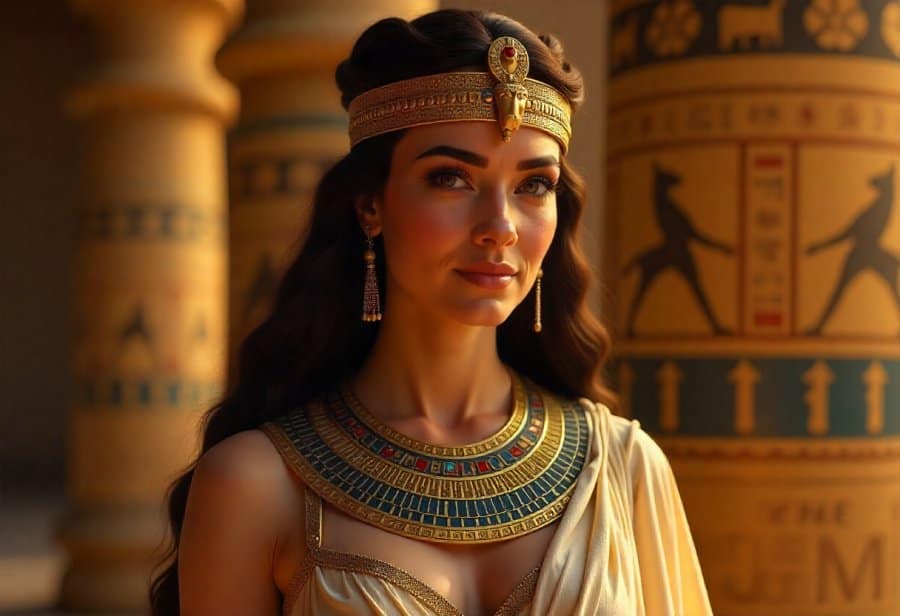
Legacy of Wisdom: How Cleopatra’s Intellectual Strength Continues to Inspire
Cleopatra’s legacy endures because her true strength was rooted in her mind, not just her beauty or her romantic entanglements. While stories often highlight her allure and affairs with Roman leaders, her lasting influence stems from her intelligence, strategic thinking, and resilience. She understood that genuine power came from navigating complex political landscapes and making calculated decisions—skills she mastered to defend Egypt’s independence against formidable enemies.
Her diplomatic finesse was legendary. Cleopatra knew how to build bridges across cultures and political factions, often transforming potential adversaries into allies through insight and negotiation. Despite rebellions and external threats, her adaptability and resilience allowed her to shift tactics and respond swiftly, helping Egypt withstand larger empires. This strategic flexibility made her influence far greater than mere military might or superficial charm.
Beyond politics, Cleopatra’s patronage of knowledge and scholarship shaped her enduring cultural legacy. She championed the Library of Alexandria and actively supported scholars, scientists, and philosophers, believing that wisdom was essential for effective leadership. Her commitment to learning fostered innovation and inquiry, leaving an intellectual imprint that persisted long after her reign.
Her leadership challenged modern stereotypes about female rulers. Cleopatra demonstrated that intelligence, resilience, and strategic insight are powerful tools for any leader, regardless of gender. Her example encourages women across generations to pursue knowledge, lead with confidence, and rely on wit and wisdom rather than traditional notions of authority.
Many Hollywood stories and myths have overshadowed her true achievements, but her real impact lies in her capacity to think critically, adapt quickly, and lead with insight. Cleopatra understood that authentic power depends on a sharp mind and resilience—traits that allowed her to shape her destiny and leave a lasting mark on history. Her story reminds us that influence is built on ideas, relationships, and strategic foresight, not just superficial attributes.
Her influence continues to inspire because it underscores that leadership’s true foundation is intellectual strength. Cleopatra’s legacy proves that wisdom, resilience, and the pursuit of knowledge are the keys to enduring impact. Her life exemplifies how the strongest leaders are those who think deeply, act wisely, and adapt to whatever challenges arise.
In the end, Cleopatra’s story affirms that genuine greatness comes from the capacity to think critically and lead strategically. Her legacy shows that influence isn’t measured solely by territory or wealth but by the ideas and relationships one cultivates. Her example encourages us to value the power of the mind as the true foundation of leadership and lasting impact.