America’s enduring fascination with charismatic figures selling simple solutions reveals a deeper cultural tendency: a longing for certainty amid chaos. From the theatrical medicine shows of the 19th century to modern political rallies, spectacle and showmanship have long been tools to sway hearts and minds, often more effective than facts. Figures like Clark Stanley and Donald Trump masterfully craft narratives that tap into hopes for quick fixes, emotional reassurance, and a sense of belonging—regardless of their truthfulness. This persistent allure exposes a paradox at the heart of American identity: an optimistic belief that complex problems can be solved with a single bold move, driven by a desire for immediate relief. But what does this say about our democracy? Are we more captivated by spectacle than substance, risking trust and rationality? Understanding this dynamic is crucial to strengthening a political culture rooted in genuine solutions, patience, and critical thinking.
Contents
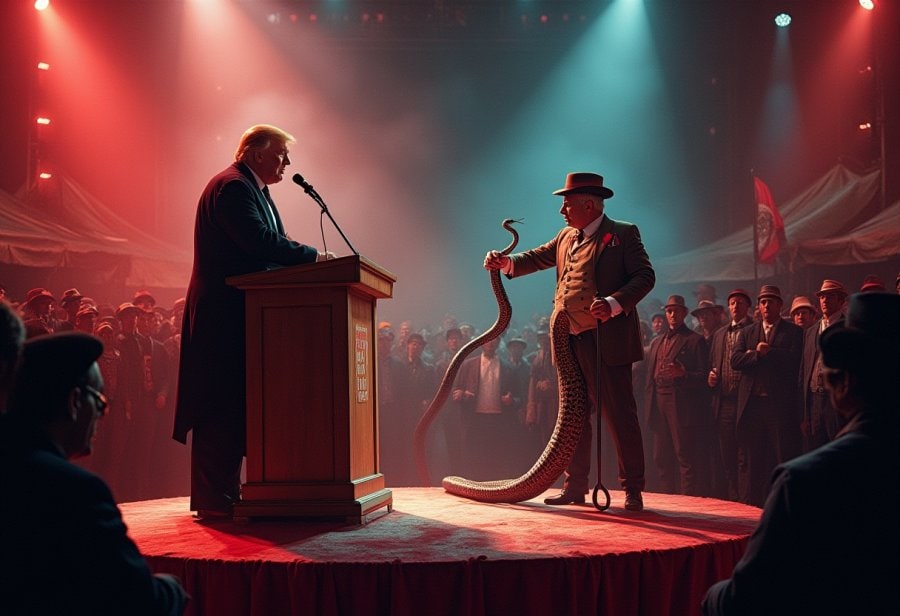
The Allure of Charismatic Figures in America: Why Simple Solutions Capture Our Hearts
In America, the fascination with charismatic figures who promise simple solutions isn’t just a passing trend—it’s woven into our cultural DNA. From the showmen of the 19th century to today’s political celebrities, these personalities have a knack for capturing attention and stirring trust. Their secret lies in blending confidence, spectacle, and storytelling, making their messages feel both compelling and believable. During uncertain times, people yearn for certainty, and these figures offer it—quick fixes or bold promises that provide a sense of relief amid chaos.
This appeal is reinforced by America’s long history of turning entertainment and spectacle into tools of influence. In the days of medicine shows, performers used theatrical tricks and exaggerated stories to transform cures into shared events, creating trust and excitement even when the science was dubious. Similarly, political rallies have relied on emotional appeals and visual flair to energize supporters, transforming dry speeches into communal performances that foster loyalty and belief. Influence, it seems, often hinges more on confidence and entertainment than on facts.
Figures like Clark Stanley, the “Rattlesnake King,” embodied this tradition. His theatrical snake oil demonstrations—pulling rattlesnakes from sacks and boiling their fat—weren’t just about selling remedies; they were performances designed to dazzle. Today’s leaders, like Donald Trump, understand this instinct well. His rallies, filled with slogans, gestures, and spectacle, are modern-day equivalents of showmanship—crafted to evoke emotion and create a sense of belonging. Both Stanley and Trump tap into a universal desire for reassurance and quick solutions.
The myth of snake oil itself highlights this cultural tendency. Originally, snake oil was a genuine herbal remedy brought to America by Chinese railroad workers, known for its anti-inflammatory properties. Yet, it became synonymous with deception, a symbol of quick fixes sold with flair rather than science. This transformation reflects America’s enduring hope that complex problems can be solved with a single, confident move—an idea that remains at the heart of our attraction to spectacle and charisma.
American democracy’s relationship with these figures is complicated. We celebrate the hustle and spectacle, yet often question the substance. The phrase “snake oil salesman” has become a potent political epithet, crossing party lines and echoing suspicion of superficial promises. This dynamic reveals a deep-rooted optimism that problems have straightforward solutions, combined with a willingness to believe in charismatic individuals who claim they can deliver them.
Ultimately, the fascination with simple cures and charismatic leaders reveals much about who we are. It’s a reflection of our hope that relief is just around the corner, even when reality suggests otherwise. Recognizing this tendency helps us see beyond the surface of political theater and entertainment, offering insight into our collective yearning for certainty and belonging. It’s a story as old as America itself—one that continues to shape our politics, culture, and identity.
From Medicine Shows to Modern Politics: The Historical Power of Showmanship and Spectacle
Since the earliest days of American history, spectacle and entertainment have played a crucial role in shaping public opinion and influence. Town criers, traveling circuses, and street performers understood that capturing attention was the first step in swaying crowds. Their success depended on more than just entertainment; it was about creating emotional connections, trust, and excitement that could persuade people to buy products or believe in ideas. This tradition set the foundation for America’s long-standing love affair with showmanship.
In the 19th century, medicine shows exemplified this approach perfectly. These traveling performances offered more than remedies—they staged theatrical shows designed to dazzle and entertain. Performers used tricks, exaggerated stories, and dramatic demonstrations to make their cures seem miraculous. The spectacle was so captivating that many believed these cures could truly change their lives, even when the science behind them was dubious. The show created a shared experience that left audiences eager to believe in the miracle cures being sold.
The use of spectacle didn’t end with medicine shows. Political rallies soon adopted similar tactics—fiery speeches, colorful banners, and large crowds generated excitement and a sense of unity. Leaders realized that emotional appeals and visual flair could inspire loyalty more effectively than dry arguments. These gatherings became communal performances, turning politics into a shared event that fostered belonging and belief. The spectacle transformed dry policies into emotionally charged experiences that resonated deeply with supporters.
Figures like Clark Stanley, the “Rattlesnake King,” embodied this tradition of showmanship. His theatrical snake oil demonstrations—pulling rattlesnakes from sacks and boiling their fat—weren’t just about selling remedies; they were performances designed to dazzle and persuade. His confidence and flair convinced many that his product was genuine medicine. These performances turned persuasion into entertainment, making audiences more receptive to belief based on charisma and spectacle rather than science.
This tradition of spectacle reflects a broader cultural pattern in America: influence often depends more on emotional engagement and visual impact than on factual accuracy. From 19th-century medicine shows to modern political rallies, entertainment has been a powerful tool for shaping beliefs and loyalties. These practices reveal a collective tendency to respond to storytelling, confidence, and showmanship—tools that continue to define how influence is wielded across the country.
The story of snake oil itself highlights this dynamic. Originally, snake oil was a legitimate herbal remedy brought to America by Chinese railroad workers, known for its anti-inflammatory properties. Over time, it became a symbol of deception—a quick fix sold with flair rather than science. This transformation mirrors America’s enduring hope that complex problems can be solved with a single, confident move, a belief rooted in the allure of spectacle and showmanship.
Today’s political environment echoes this history. Leaders craft identities that feel authentic and protective, often relying on spectacle to energize their base. Whether promising to cure arthritis or to “Make America Great Again,” they tap into the same instinct: that confidence and entertainment can substitute for substance. Both Stanley and Trump understood that charisma and showmanship can sway minds and forge loyalty, often more effectively than detailed policies.
This history of American showmanship underscores a cultural preference for impact over depth. Spectacle and entertainment serve as powerful tools to influence, inspire, and persuade. Understanding this legacy helps explain why charisma and visual flair continue to dominate political and social landscapes—because, at their core, they appeal to our deepest desire for reassurance, belonging, and quick solutions.
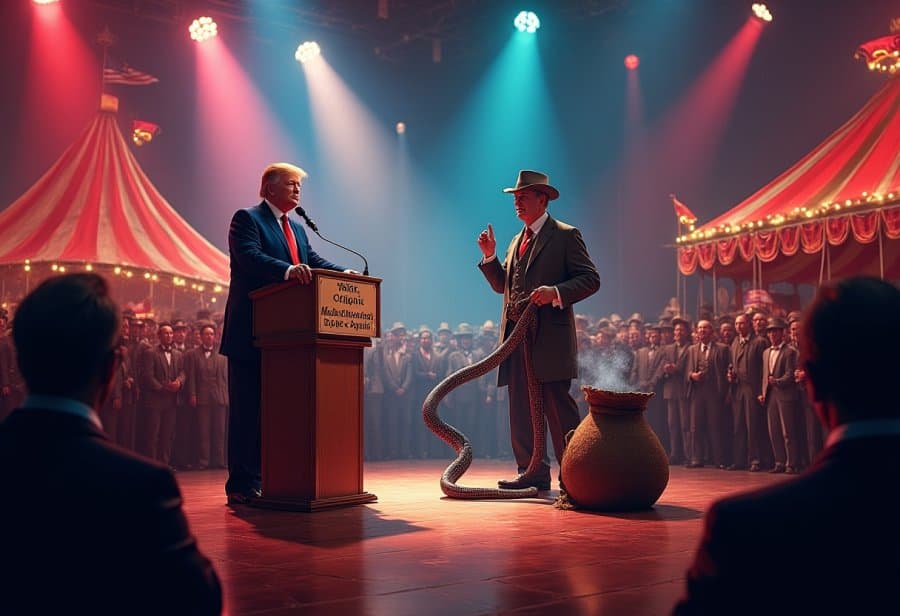
Why We Crave Quick Fixes: Psychological and Cultural Forces Fueling the Snake Oil Obsession
Many Americans are naturally drawn to quick fixes and charismatic leaders because our minds favor simplicity, especially when faced with complex problems. When issues like economic uncertainty or health crises emerge, the brain tends to latch onto straightforward stories that promise immediate relief. This isn’t just a whim; it’s rooted in cognitive biases that seek ease of understanding, making simple narratives seem more trustworthy and easier to recall. Vivid, easy-to-process stories feel comforting, particularly when the world feels overwhelming or confusing.
This tendency is deeply embedded in American culture, which often promotes the idea that success and solutions are just a bold idea or a miracle away. From the gold rushes to modern innovations, the recurring theme is that breakthroughs are possible with a single move. Leaders who promise rapid change tap into this hope, framing problems as solvable with a quick, confident step—whether it’s building a wall or taking a miracle pill. The allure of instant results keeps this belief alive, even though genuine challenges require patience and nuance.
Humans are highly emotional beings, and stories that evoke hope, fear, or belonging tend to resonate more deeply than dry facts. Charismatic figures craft messages that bypass rational thought, appealing directly to feelings. When a leader promises a simple cure, they’re offering more than a product—they’re selling relief from anxiety, a sense of control, and community. This emotional connection makes followers more willing to accept bold claims without scrutinizing their validity, reinforcing trust in the leader’s confidence.
Familiar and dramatic stories stick in our minds more readily. The availability heuristic means we remember vivid, emotionally charged stories faster than complex data. When a message is memorable and inspiring, it feels like we’ve found the solution we’ve been waiting for, even if it’s too good to be true. Media and social platforms amplify this effect by favoring sensational stories that evoke strong emotions over nuanced truths, making quick fixes seem even more appealing.
Cultural optimism also fuels this attraction to simple answers. The American myth that anyone can succeed with enough effort encourages the belief that problems have straightforward, immediate solutions. The myth of snake oil—originally a genuine herbal remedy brought by Chinese railroad workers—embodies this hope. Its transformation into a symbol of deception illustrates how the desire for quick, almost magical cures persists, fueling the persistent belief that complex issues can be “fixed” with the right confidence and flair.
This persistent hope makes us more tolerant of deception. When stakes are high and the future uncertain, clinging to stories promising salvation—even if false—feels natural. Charismatic leaders understand this instinct and craft narratives that seem authentic and trustworthy. Their confidence and emotional delivery create an illusion of sincerity, persuading followers to overlook evidence or skepticism. It’s this blend of hope and spectacle that keeps the allure of snake oil alive in modern form.
At its core, the attraction to quick fixes and charismatic figures reflects a fundamental part of American identity: an enduring optimism and craving for certainty amid chaos. We want to believe solutions are just around the corner, and that a bold move can transform everything. Recognizing this dynamic helps us understand why spectacle and confidence often overshadow facts, shaping a society that prefers hope and reassurance over complexity and nuance.
Understanding the origins of the term can deepen our appreciation for this cultural phenomenon. The story of how snake oil became a symbol of fraud highlights how society has long grappled with the tension between hope and deception, especially when quick fixes promise more than they can deliver. To explore this history further, you can read about how snake oil became a symbol of fraud Snake Oil Became a Symbol of Fraud.
Spectacle and Solutions: How the Illusion Shapes American Democracy
The fascination with simple cures and charismatic leaders shapes more than individual beliefs; it fundamentally influences American democracy. When political narratives rely heavily on spectacle and emotional appeals, complex policy issues often get lost in the shuffle. Leaders craft slogans, dramatic gestures, and compelling stories that energize their base, but these tactics can drown out substantive debate and critical thinking. As a result, voters may prioritize personality over policy, weakening the foundation of informed decision-making that democracy depends on.
This emphasis on entertainment and emotional resonance also erodes trust in institutions. When politicians rely on showmanship rather than transparent solutions, skepticism towards government and experts grows. The cycle of valuing style over substance fosters cynicism, making it harder for citizens to believe that their leaders can genuinely address pressing issues. Public confidence diminishes, polarization deepens, and support for superficial promises often outweighs faith in thoughtful governance.
Leaders who focus on spectacle tend to chase short-term wins instead of building durable policies. Their approach encourages reaction rather than reflection, pushing politicians to maintain a charismatic image rather than deliver meaningful results. This dynamic shifts the political environment from one rooted in accountability to one driven by entertainment, where genuine problem-solving takes a backseat. When voters evaluate leaders based on their ability to entertain rather than their capacity to govern effectively, the space for long-term progress shrinks.
Counteracting this trend requires fostering critical thinking and media literacy. Citizens need tools to recognize when they’re being sold a story rooted in spectacle rather than substance. Education that emphasizes nuance, evidence, and honest debate can help build resilience against superficial appeals. When communities prioritize authentic dialogue over entertainment, trust in both leaders and the democratic process is strengthened. This shift encourages a culture where policies are judged on their merits, not just their ability to inspire.
The challenge is to balance charisma and passion with transparency and evidence. When influence is rooted in authenticity and honesty, spectacle can serve as a bridge rather than a barrier to understanding. Promoting accountability, fact-based reporting, and open dialogue creates spaces where genuine solutions are valued over quick fixes. Recognizing how the allure of simple cures impacts political life is the first step toward safeguarding the integrity of American democracy and cultivating a more informed, engaged citizenry.
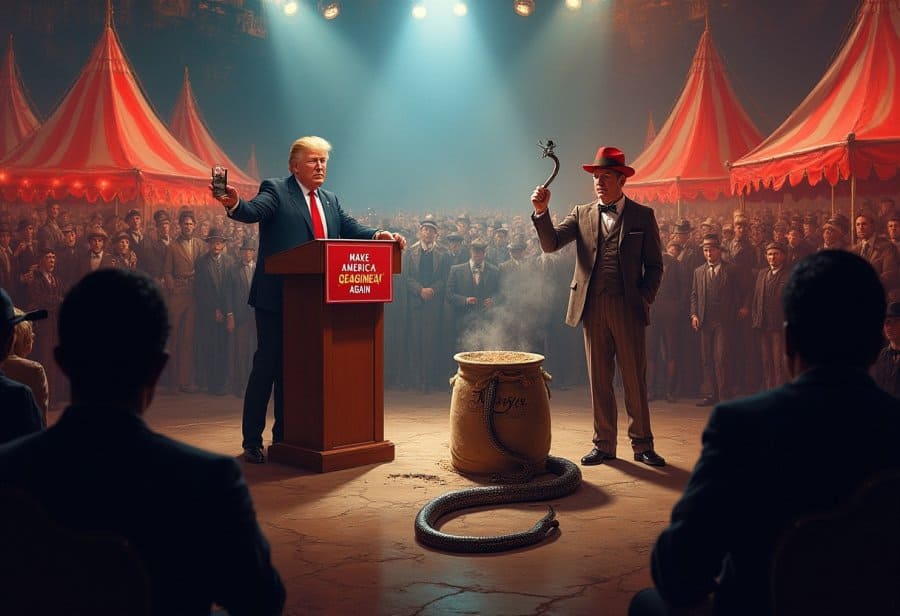
Navigating the Allure: Cultivating Critical Thinking and Authentic Community in America
America’s fascination with simple solutions and charismatic leaders reveals more about our collective psyche than we often realize. It springs from a deep-rooted optimism that problems, no matter how complex, can be solved quickly if the right person or idea comes along. This hope fuels trust in bold promises—whether they’re slogans, miracle cures, or quick political fixes—that promise relief and certainty amid chaos. While these promises can energize and inspire, they often obscure the deeper realities, making it harder to engage with long-term solutions that require patience and nuance.
Understanding this dynamic helps us see beyond the surface of political theater and entertainment. The allure of spectacle and confidence taps into a universal desire for reassurance and belonging. Recognizing that many of these stories are crafted to evoke emotion rather than deliver facts doesn’t mean we should dismiss passion; it means we need to balance it with critical thinking. Cultivating curiosity and skepticism isn’t about cynicism but about safeguarding our ability to discern genuine solutions from superficial ones.
Building communities rooted in authentic dialogue and evidence-based reasoning is key. When we prioritize honest conversations over sensationalism, we foster trust—not just in leaders but in the democratic process itself. This shift encourages us to evaluate policies on their merits, rather than how well they entertain or energize. It’s about creating an environment where patience, inquiry, and transparency are valued, and where influence is rooted in truth rather than illusion.
Spectacle, when used responsibly, can serve as a tool for connection and engagement. But it becomes dangerous when it masks the absence of substance and undermines critical debate. Promoting media literacy and civic education equips us to see through the veneer of confidence and recognize when we’re being sold quick fixes. When charisma is coupled with honesty and clarity, it can inspire genuine understanding rather than manipulation.
Fostering a culture that prizes authenticity over superficiality requires effort from all sides—educators, media, civic leaders. By demanding accountability and clarity, we push for a politics rooted in real solutions, not just showmanship. This isn’t about rejecting passion or vision; it’s about ensuring those qualities serve transparency and progress, not illusion.
The story of America’s attraction to snake oil and simple cures is a mirror of our enduring hope: that relief is always just around the corner. But true resilience comes from embracing complexity and fostering communities that trust in the process of thoughtful, persistent effort. Recognizing why we chase quick fixes helps us resist the allure of deception and build a society committed to genuine progress.
In the end, navigating America’s fascination with easy answers means cultivating a mindset that values critical reflection without sacrificing hope. It’s about creating spaces where honest dialogue, evidence, and patience are celebrated. When we do, we reinforce the foundation for a democracy that can face complex challenges with resilience, integrity, and an unwavering belief in the power of truth over illusion.