Are temporary backlinks from online marketplaces truly harmless, or do they secretly undermine your long-term SEO success? While these quick-fix tactics promise rapid boosts in rankings, their fleeting nature often leads to unstable authority and potential penalties. Vendors frequently remove these links once they reach targeted metrics, leaving your site vulnerable after short-lived gains. Google’s sophisticated algorithms can detect unnatural link patterns, penalizing sites that rely on irrelevant or low-quality backlinks, which can cause rankings to plummet and trust to erode. Building a resilient SEO foundation requires focusing on durable, relevant backlinks from reputable sources—those that stand the test of time—rather than short-term schemes. Real-world examples demonstrate that authentic, ongoing relationship-building and high-quality content provide sustainable growth, whereas shortcuts risk damaging credibility for immediate, but temporary, results. Should you gamble with fleeting gains or invest in lasting authority? The choice shapes your long-term visibility.
Contents
Backlinks as the Cornerstone of SEO Authority
Backlinks are a cornerstone of modern SEO, acting as digital endorsements that help search engines understand the relevance and authority of your website. Essentially, they are links from other sites pointing to yours, signaling trust and value within your niche. When reputable sites link to your content, it tells Google that your pages are worth recommending, which can boost your rankings and visibility. This makes backlinks one of the most influential factors in how search engines evaluate your site’s worth.
Not all backlinks are created equal, however. High-quality links from well-established, relevant sites carry significantly more weight than those from obscure or unrelated sources. These authoritative links are often earned naturally through valuable content and genuine relationships rather than paid or spammy tactics. Building a strong backlink profile means focusing on earning links that are relevant, trustworthy, and add real value—elements that search engines interpret as signs of genuine credibility.
Understanding the importance of backlinks helps clarify why SEO efforts often revolve around acquiring them. They act like votes of confidence from other websites, indicating that your content is useful and trustworthy. When a reputable site links to you, it not only drives referral traffic but also signals to Google that your site deserves higher visibility. Over time, a well-maintained backlink profile can establish your site as an authority in your industry, helping you outrank competitors and attract more organic visitors.
However, cultivating backlinks isn’t about quantity alone. The focus should be on relevance and durability, as some links last longer and have more impact than others. For example, backlinks embedded naturally within high-quality content from an industry leader can remain valuable for years, whereas links from low-quality or irrelevant sites tend to fade quickly or even harm your reputation. Regularly monitoring your backlink profile allows you to identify and disavow harmful links, ensuring your SEO foundation remains strong.
Building a sustainable backlink profile involves more than just acquiring links; it’s about fostering real relationships and creating content worth sharing. Outreach, guest posting, and producing high-value content encourage sites to link to you voluntarily, resulting in more durable and meaningful backlinks. This organic approach not only improves your rankings but also enhances your site’s reputation and trustworthiness over time.
In the end, a strategic focus on quality, relevance, and long-term relationships creates a resilient backlink profile that supports ongoing SEO success. Instead of chasing quick fixes, investing in genuine link-building efforts builds a solid foundation for sustained growth and visibility in a competitive online landscape.
Temporary Backlinks: Quick Fixes or Long-Term Risks
Temporary backlinks are often used as quick fixes in SEO, promising rapid improvements in search rankings and authority. These links are typically purchased from online marketplaces or generated through automated tools, link farms, and private blog networks (PBNs). Their main appeal lies in the speed at which they can boost a site’s metrics, creating an illusion of rapid growth that can be tempting in competitive markets.
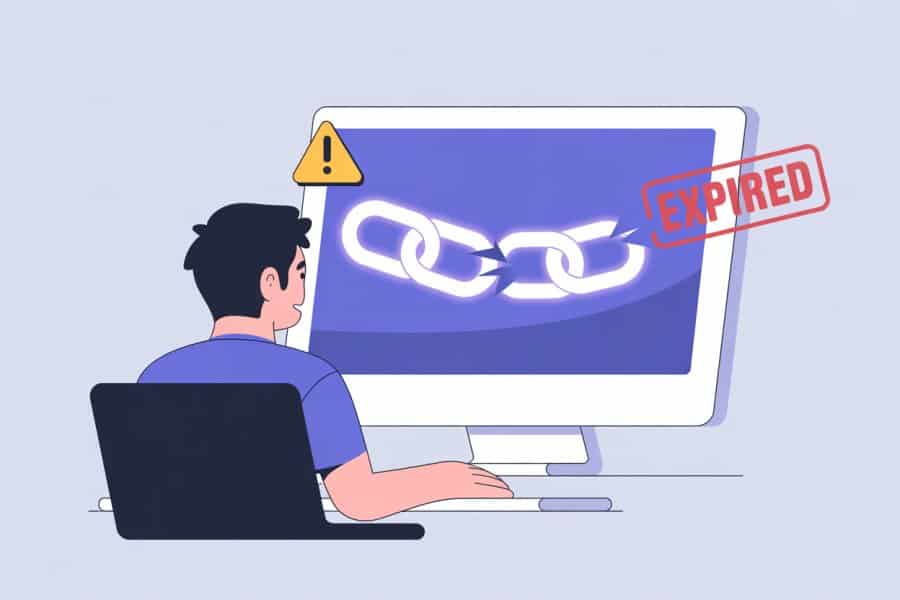
Most of these backlinks are designed to be short-lived. Vendors frequently remove or deactivate links once they’ve reached their target metrics, such as a specific domain authority or rating. This means any initial boost in rankings or visibility is usually temporary. The links may last only a few weeks or months, after which the site often loses the authority it gained, sometimes even falling below previous levels.
Because these links are often built on low-quality or irrelevant sites, they tend to look unnatural to search engines. Google’s algorithms have become adept at spotting such patterns—sudden spikes in backlinks from unrelated or low-authority sources raise red flags. When detected, these manipulative tactics can lead to penalties or a significant drop in rankings, negating any short-term gains.
The impact of relying on temporary backlinks extends beyond rankings. Fluctuating positions create an inconsistent user experience, making it harder for visitors to trust your site’s stability. Once the links disappear, your website’s perceived authority diminishes, which can hurt reputation and long-term traffic. This instability discourages loyal visitors and hampers sustained growth.
Many site owners fall into the trap of pursuing quick SEO wins, but the risks often outweigh the benefits. Search engines are increasingly capable of detecting unnatural link patterns, and reliance on these tactics can trigger penalties that do more harm than good. Instead, focusing on earning high-quality, relevant backlinks over time provides a more stable and sustainable foundation for growth.
Building a resilient backlink profile involves patience and strategic effort. Genuine relationships with reputable sites, coupled with creating valuable content, result in durable links that stand the test of time. These long-lasting backlinks support consistent rankings and help maintain your site’s credibility in an ever-evolving SEO landscape.
In short, temporary backlinks may offer fleeting advantages, but they rarely contribute to sustainable success. Their fleeting nature can undermine your long-term SEO goals, making it crucial to prioritize organic, relevant, and permanent link-building strategies. Over time, this approach builds a trustworthy online presence that can withstand algorithm updates and market shifts.

Google’s Sharp Eye: Detecting Unstable and Manipulative Backlinks
Google’s algorithms have become highly sophisticated at identifying unstable backlink patterns. When a site suddenly gains a large number of links from low-authority or irrelevant sources, it raises immediate suspicion. Such rapid spikes often suggest manipulation—either through paid links, link farms, or private blog networks—rather than natural growth. Google analyzes the timing, sources, and diversity of backlinks to determine whether they follow a genuine, organic trend or look suspiciously artificial.
Relevance is a crucial factor in how Google evaluates backlinks. Links from sites outside your niche or industry are less likely to be seen as trustworthy endorsements. When these low-quality or irrelevant links appear suddenly in bulk, the algorithm quickly detects the unnatural pattern. Google prioritizes contextual relevance because it indicates authentic interest and trust—traits that are difficult to fake artificially. As a result, backlinks lacking relevance are often devalued or ignored in ranking calculations.
Google’s machine learning models have further sharpened its ability to detect manipulation. The algorithms scrutinize subtle signals such as irregular link velocity, identical anchor texts across multiple links, and sudden shifts in link diversity. They learn to recognize what a natural backlink profile looks like and monitor for deviations. When a site’s backlink pattern appears suspicious—such as a sudden influx of links from new, low-quality domains—Google can devalue those links or even penalize the entire profile.
Behavioral patterns over time are also telling. Domains that suddenly point many links to various sites and then go silent are flagged as suspicious. These patterns often originate from link farms or networks created solely for quick link generation. When detected, Google may downgrade the site’s rankings or remove the suspicious links altogether, treating them as manipulative efforts rather than genuine endorsements.
Understanding how Google detects unstable backlink patterns underscores the importance of building a natural, stable profile. Instead of trying to game the system with short-term tactics, focusing on earning relevant, high-quality backlinks through authentic relationships and valuable content creates a resilient SEO foundation. This approach not only helps avoid penalties but also ensures your site maintains authority and visibility in the long run.
To truly strengthen your site’s authority and avoid the pitfalls of manipulative link schemes, it’s essential to adopt proven backlink strategies. Developing a sustainable approach to earning backlinks ensures your SEO efforts are both effective and compliant with search engine guidelines. For practical advice on building a resilient and authentic backlink profile, consider exploring backlink strategies that focus on quality over quantity.
Evaluating Backlink Quality and Ensuring Long-Term Durability
When assessing backlinks for long-term SEO success, the focus should be on their durability and relevance. Links from well-established, reputable sites tend to be more stable over time because these sources maintain their authority and content quality. A backlink from a respected industry blog or a major news outlet is likely to remain valuable for years, especially if it’s naturally embedded within high-quality content. Such links are less vulnerable to site redesigns or algorithm changes, providing a reliable foundation for ongoing growth.
Relevance plays a crucial role in determining a backlink’s longevity. When a link comes from a site directly related to your niche, it signals genuine interest and trust, which search engines recognize as authentic endorsement. For example, a backlink from a health-focused website pointing to a wellness product remains relevant and valuable longer than a link from an unrelated industry. The more aligned the source is with your content and audience, the more likely it is to stay relevant and impactful over time.
The age and stability of the linking site matter just as much as the link itself. Older websites with consistent content updates and steady traffic tend to preserve the value of their backlinks better. They’ve built authority through years of quality content, which helps their links endure algorithm shifts and site changes. Conversely, links from newer or poorly maintained sites are more fragile; they risk disappearing when the site undergoes updates or loses relevance.
Monitoring your backlink profile regularly is essential. Tools like Ahrefs or SEMrush can reveal which links remain active and which have become broken or outdated. Removing or disavowing low-quality or expired links prevents potential penalties and keeps your profile focused on genuine authority. Building ongoing relationships with reputable site owners and consistently producing valuable content encourages the earning of durable links that stand the test of time.
Diversity in your backlink sources further enhances long-term stability. Relying on a mix of industry blogs, news outlets, and niche forums creates a resilient profile less vulnerable to algorithm updates or site-specific issues. This variety ensures your site’s authority isn’t overly dependent on any single source, reinforcing your overall SEO foundation and supporting sustained growth.
In essence, evaluating the quality and longevity of backlinks involves more than just checking their existence. It requires understanding the source’s authority, relevance, and stability. Investing in high-quality, relevant links from trustworthy sites ensures they will remain valuable assets, helping your SEO efforts build a lasting presence in search results. Prioritizing these aspects creates a resilient backlink profile that can withstand the inevitable changes in the digital landscape.

Real-World Impact of Temporary Backlinks and Lessons for Sustainable SEO
Using temporary backlinks in real-world SEO efforts often leads to mixed results. Some website owners see a quick boost in search rankings or traffic after purchasing these short-term links, but the gains usually fade once the links disappear. For example, a small e-commerce site might temporarily rise in search results after buying links from low-quality sources, only to see rankings plunge back down within a few months. This pattern shows that quick fixes might offer short-term visibility but rarely support sustained growth.
Many who rely on these tactics discover that the fleeting nature of temporary backlinks can do more harm than good. When those links vanish, the site loses the authority it briefly gained, often ending up worse off than before. Search engines have improved at detecting unnatural link patterns, and sites dependent on these methods risk penalties or ranking drops that wipe out any initial gains. The resulting instability can damage trust and make visitors hesitant to return.
Beyond rankings, fluctuating search positions create a confusing user experience. Visitors find your site appearing and disappearing from top search results, which erodes credibility and discourages repeat visits. Conversely, sites that focus on earning lasting, relevant backlinks through quality content and authentic outreach tend to enjoy more stable rankings and a steady flow of organic traffic. Over time, this consistency builds trust and a loyal audience, strengthening overall online presence.
Real-world stories reinforce these lessons. One health blog invested heavily in creating high-quality content and earned backlinks naturally from reputable sources. Over several months, its rankings steadily improved and remained resilient through updates. Another example is a local business that built genuine relationships with industry influencers, earning permanent backlinks that supported ongoing visibility without shortcuts. These cases highlight that patience and authentic link-building lead to more durable success.
Trying to manipulate rankings with short-term backlinks is a gamble. The risks—penalties, reputation damage, and lost authority—often outweigh any quick wins. The key takeaway is that sustainable SEO depends on building genuine, relevant, and durable backlinks. Investing in quality content and authentic relationships may take more effort initially, but it pays off with stability and long-term growth, unlike the short-lived gains from temporary links.