Transforming a Toronto yard into a personal outdoor retreat is about more than aesthetics—it’s a delicate balance of beauty, sustainability, and client satisfaction. How can homeowners craft a space that feels like a sanctuary, seamlessly blending practicality with eco-conscious design? This guide reveals how thoughtful planning, site assessment, and native plant choices create resilient landscapes suited for Toronto’s climate, while eco-friendly techniques like rain gardens and permeable paving support local ecosystems. Effective execution requires clear communication, phased project management, and attention to detail, ensuring each element—from structural features to focal points—harmonizes beautifully. Ultimately, cultivating an outdoor space that inspires and endures calls for ongoing care, adaptability, and a mindful approach to environmental responsibility. Are you ready to turn your ordinary yard into a vibrant, sustainable retreat that reflects your lifestyle and values? The journey from concept to lush reality begins here.
Transform Your Toronto Outdoor Space with Expert Landscaping
Looking to elevate your outdoor living in Toronto? Toronto Landscape & Design (TLD) specializes in creating stunning landscapes tailored to your vision. Our award-winning designers consider every detail, from natural stone features and water gardens to advanced irrigation systems and durable retaining walls. Whether you’re seeking a complete backyard makeover or specific enhancements, we deliver exceptional craftsmanship and personalized service. Contact us today at 1.416.644.0499 or email [email protected] to start transforming your outdoor space into a beautiful, functional retreat.

Transform Your Toronto Yard Into a Personal Sanctuary
Transforming a Toronto yard into an outdoor retreat is about more than just adding plants or installing a patio; it’s about creating a space that feels like a personal sanctuary. A well-designed backyard can serve as an extension of your home—a peaceful escape or lively gathering spot—right outside your door. The potential to turn an ordinary yard into something extraordinary offers homeowners a chance to improve their daily lives while respecting the local environment.
Achieving this balance begins with clear planning. Understanding what you want from your outdoor space—whether it’s a quiet nook for reflection or an area for entertaining—guides every decision. Clarifying these priorities early helps ensure your yard reflects your lifestyle and aesthetic preferences. When landscape designers know your vision, they can craft a space that’s both beautiful and functional, seamlessly fitting into your everyday routine.
Assessing the site itself is a crucial step. Toronto’s climate features cold winters and humid summers, demanding plants and materials that can withstand seasonal extremes. Observing sunlight patterns, soil conditions, and existing landscape features helps determine the best locations for patios, gardens, or water features. Proper site evaluation ensures your yard remains resilient and sustainable, reducing ongoing maintenance and enhancing natural beauty.
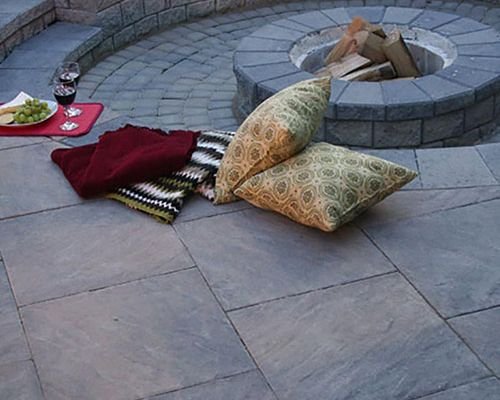
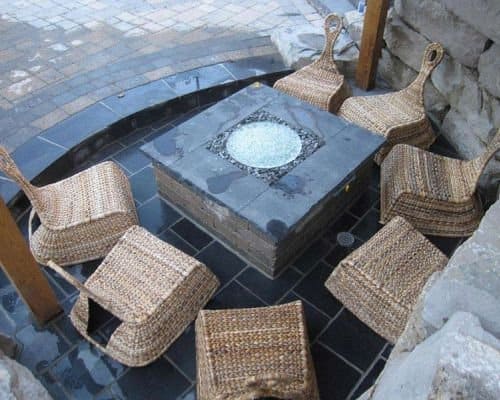
Thoughtful placement of elements is key to creating a yard that’s both attractive and practical. Strategic positioning of seating areas, pathways, and focal points—like a fire pit or a lush garden bed—creates inviting flow and visual interest. For example, positioning a lounge area where it catches sunlight and offers a view of greenery makes the space more appealing and usable. When aesthetics and functionality align, your yard becomes a true retreat, encouraging you to spend more time outdoors.
In Toronto, environmental considerations are more important than ever. Incorporating native plants reduces water use and chemical treatments, supporting local ecosystems and lowering maintenance costs. Eco-friendly features like rain gardens, permeable paving, and organic soils help manage stormwater naturally, preventing erosion and easing pressure on city drainage systems. These sustainable practices not only enhance your landscape’s beauty but also contribute to a healthier, more resilient urban environment.
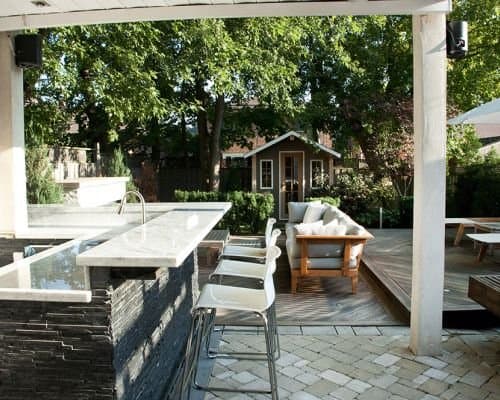
Creating distinct zones within your yard maximizes its usability. Whether you want a cozy lounge, a vegetable garden, or a play area for kids, thoughtful zoning makes the space more functional. Adding focal points like sculptures or lush plant beds introduces personality and draws attention. Proper lighting extends usability into the evening, creating ambiance and highlighting key features. Cohesive pathways and borders tie everything together, producing a harmonious, inviting outdoor space.
Transforming your yard is an ongoing process. It involves more than just initial design and installation; regular maintenance and updates keep the landscape thriving. Choosing native plants, practicing water conservation, and avoiding harmful chemicals help preserve the environment and prolong the life of your landscape. Staying informed about new eco-friendly materials and innovative features allows your outdoor retreat to evolve and remain vibrant over time.
This journey from planning to realization hinges on understanding your specific site and personal preferences. Every Toronto yard presents unique challenges and opportunities—soil quality, sunlight, existing features—that require tailored solutions. By customizing your design to these conditions, you ensure a natural, seamless integration with your lifestyle. Whether seeking privacy, low-maintenance greenery, or vibrant entertainment spaces, a personalized approach turns a basic yard into a true reflection of your life and taste.
Building Eco-Friendly Outdoor Spaces with Core Principles
Sustainable landscape design is the foundation of creating outdoor spaces that are not only beautiful but also kind to the environment. It’s about working with nature instead of against it—using native plants, natural materials, and eco-friendly practices to craft a yard that thrives without excessive resource use. Native plants are a cornerstone of this approach; they’re naturally adapted to Toronto’s climate, requiring less water, fewer fertilizers, and fewer chemical treatments. By choosing these resilient species, you support local ecosystems, including pollinators and beneficial insects, which enhances biodiversity and creates a healthier landscape.
Water management is another critical element. Installing rain gardens, rain barrels, and drought-tolerant plants helps maximize natural water resources while reducing runoff and erosion. Permeable paving options allow rainwater to seep into the soil rather than flowing into storm drains, replenishing groundwater and decreasing strain on municipal drainage systems. These measures keep your yard lush during dry spells and contribute to a more sustainable urban environment, helping to mitigate the effects of climate change.
Soil health underpins every successful landscape. Organic soil management practices, like composting yard waste and food scraps, foster nutrient-rich soil that naturally supports vigorous plant growth. Using organic fertilizers made from natural ingredients encourages strong roots and vibrant foliage without relying on harmful chemicals. Over time, this healthy soil builds resilience against pests and diseases, reducing the need for chemical interventions and making your landscape easier to maintain in the long run.
Eco-conscious materials further enhance sustainability. Recycled pavers, sustainably sourced wood, and permeable paving materials not only minimize environmental impact but often prove more durable. Permeable pavers, for instance, allow water to pass through, supporting groundwater recharge and reducing surface runoff. Natural mulches and organic fertilizers complement these choices, promoting healthy plant development while avoiding synthetic chemicals. When integrated thoughtfully, these materials create a cohesive, eco-friendly landscape that endures over time.
Designing with Toronto’s seasonal climate in mind ensures your yard remains resilient and low-maintenance. Selecting hardy, cold-tolerant plants that can withstand harsh winters and humid summers is essential for year-round vibrancy. Proper site assessment—such as soil testing, drainage analysis, and sunlight evaluation—enables you to tailor plant choices and landscape features to your specific conditions. Incorporating shade structures or windbreaks can protect delicate plants, extending their lifespan and reducing watering needs. This proactive planning results in a landscape that remains sustainable and attractive through every season.
Energy efficiency plays a key role in eco-friendly landscape design. Solar-powered lighting, LED fixtures, and motion sensors reduce energy consumption and add ambiance without increasing your carbon footprint. Strategic placement of lights highlights focal points and pathways while minimizing unnecessary energy use. Solar-powered features like water fountains or outdoor sound systems blend technology with sustainability, enhancing usability and atmosphere. These thoughtful choices ensure your outdoor space remains inviting and environmentally responsible, supporting your commitment to a greener lifestyle.
Maintaining sustainability over time requires ongoing attention. Regular upkeep, such as pruning, mulching, and watering—using water-saving techniques—keeps plants healthy and landscapes vibrant. Embracing low-impact practices like organic pest control and natural fertilizers minimizes chemical use and preserves soil health. Staying informed about new eco-friendly materials and innovative features allows your yard to evolve and adapt, ensuring it continues to be a resilient sanctuary. A sustainable landscape isn’t static; it’s a living system that benefits from mindful care and periodic updates.
Ultimately, creating an eco-friendly landscape in Toronto is about more than just plant choices or materials. It’s a holistic approach that balances aesthetics with environmental responsibility, ensuring your yard remains beautiful, functional, and resilient for years to come. By integrating native plants, managing water wisely, enriching soil naturally, and choosing sustainable materials, you craft a landscape that supports local ecosystems and reduces your ecological footprint. This mindful approach transforms your outdoor space into a true retreat—one that inspires, refreshes, and sustains, day after day.
Turning Design Ideas Into Reality: Effective Landscape Transformation
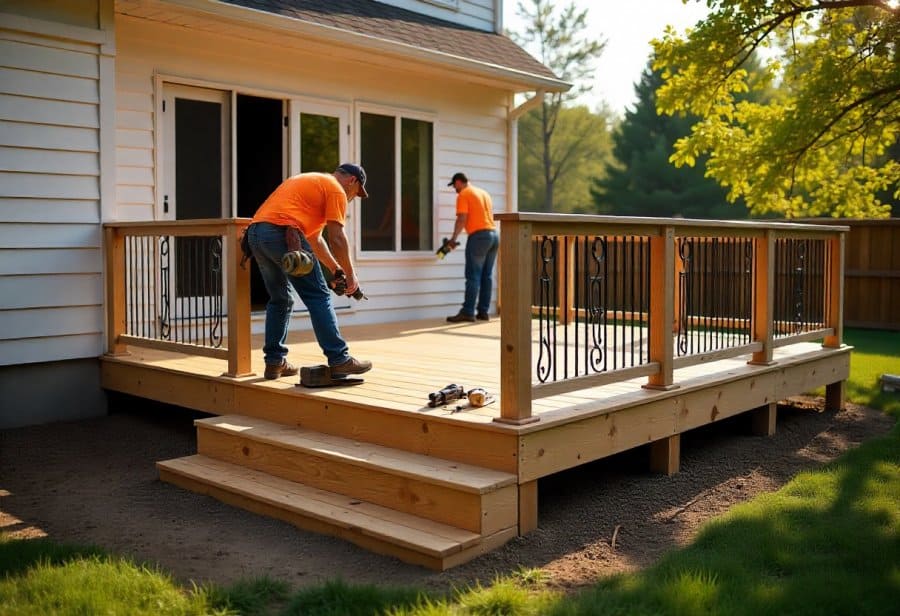
Transforming a landscape design into a successful backyard renovation starts with clear, detailed planning. It’s crucial to translate your ideas and goals into concrete steps, outlining the materials needed, planting schedules, and the sequence of construction. Breaking the project into manageable phases helps keep the process organized and ensures steady progress. Beginning with site preparation—such as clearing debris, grading for proper drainage, and addressing soil issues—lays a solid foundation. Once the groundwork is in place, structural elements like patios, pathways, and water features can be installed, followed by planting and finishing touches. Having a comprehensive plan minimizes surprises and keeps the project on track from start to finish.
Effective communication with contractors and designers plays a critical role throughout each phase. Regular check-ins and updates ensure that the work aligns with your initial vision. When unexpected issues arise—such as poor soil drainage, hidden roots, or weather delays—addressing them promptly prevents major setbacks. For instance, if drainage problems are detected, solutions like regrading or installing drain systems become necessary before planting begins. Staying flexible and proactive in problem-solving keeps the project moving smoothly and preserves the quality of the final result.
Site-specific challenges often surface during landscape renovations. Poor soil conditions, contaminated land, or uneven terrain can complicate the process. Conducting thorough site assessments early allows you and your team to identify potential issues. Soil testing, utility exploration, and sunlight evaluation help develop appropriate remediation strategies. If drainage issues are found, regrading or installing drainage systems can prevent costly delays later. Anticipating these hurdles and planning solutions in advance makes the transformation more predictable and efficient.
Toronto’s unpredictable seasonal weather can impact outdoor projects. Unexpected rain, cold snaps, or unseasonal heat may delay construction or damage incomplete work. Building flexibility into your schedule—by scheduling critical tasks during optimal weather windows and having contingency plans—ensures steady progress. For example, planting delicate shrubs during dry, mild days reduces the risk of damage. Recognizing these weather patterns and adjusting your timeline accordingly helps keep your project on track, maintaining momentum until completion.
Coordination among multiple contractors and suppliers is vital for a seamless transformation. Clear communication of timelines, expectations, and specifications minimizes misunderstandings. Creating a detailed schedule with milestones allows you to monitor progress closely. When delays happen—such as a shipment of custom pavers being held up—adapting quickly, whether by choosing alternatives or adjusting the sequence, keeps the project moving forward. This collaborative approach ensures your yard is transformed into the retreat you envisioned, within budget and on schedule.
Attention to detail during installation makes all the difference. Proper placement of structural elements, lighting, and plantings ensures functionality and visual harmony. For example, positioning a seating area where it catches sunlight and offers a view of lush greenery enhances usability. Careful attention to the flow of pathways and the placement of focal points like water features or sculptures creates a natural, inviting atmosphere. These details turn a well-designed plan into a cohesive, welcoming outdoor space that invites you to relax and enjoy.
Finally, ongoing maintenance is essential to preserve the beauty and functionality of your landscape. Regular pruning, watering, and seasonal adjustments keep plants healthy and landscapes vibrant. Embracing low-impact practices such as mulching, organic fertilizing, and water conservation helps sustain the environment and reduces long-term costs. Staying informed about new eco-friendly materials and innovative features allows your outdoor space to evolve and adapt over time. A successful yard isn’t a one-time achievement; it’s a living system that benefits from mindful care and periodic updates, ensuring it remains a vibrant retreat for years to come.