What if true strength doesn’t lie in military might or external achievements but in inner discipline and virtue? Marcus Aurelius’s life exemplifies this profound truth: leadership rooted in wisdom, humility, and self-control endures far beyond fleeting conquests. His writings in Meditations reveal a man who mastered himself amid chaos—wars, plagues, political unrest—proving that genuine power begins within. This exploration challenges us to look beyond superficial displays of strength and embrace a path of inner resilience, cultivated through daily reflection, mindfulness, and deliberate challenges. Such quiet, unwavering self-mastery becomes a guiding force, enabling leaders and individuals alike to face adversity with dignity and calm confidence. As Marcus’s example demonstrates, cultivating inner discipline isn’t a quick fix but a lifelong journey—one that transforms external chaos into internal steadiness, ultimately revealing that the greatest empire we can build is within.
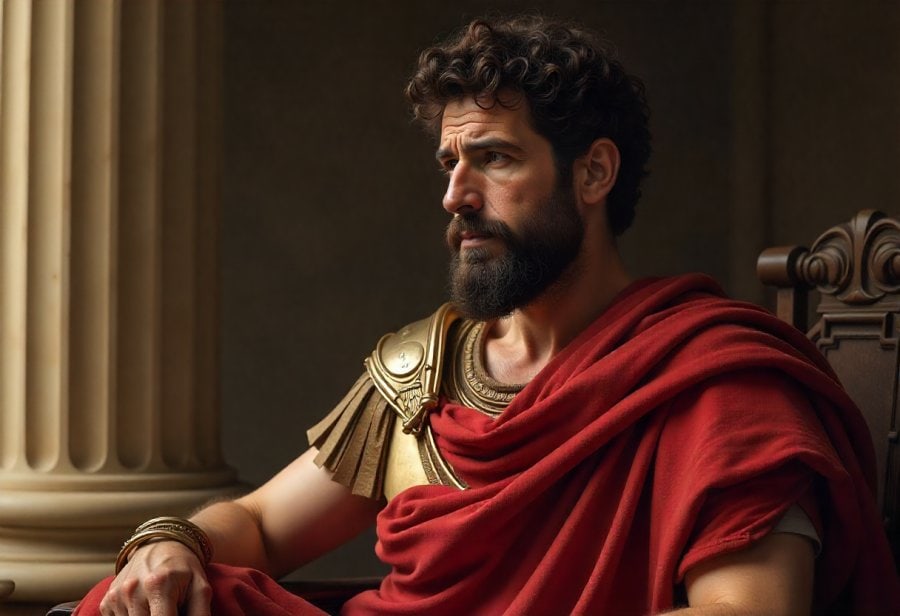
Unveiling True Power: Inner Discipline Over External Conquest
Throughout history, society has often equated strength with visible achievements—military victories, territorial expansion, or the accumulation of wealth. These external signs of power are easy to spot and measure, shaping our collective idea of what it means to be truly strong. But what if real strength isn’t about the size of armies or the lands we conquer? What if the deepest form of power comes from within—how a leader manages themselves amid chaos, hardship, and uncertainty?
This question challenges our usual notions of leadership and success. It invites us to look beyond external accomplishments and consider the qualities that endure over time. Figures like Marcus Aurelius exemplify this different kind of strength—one rooted in inner discipline, wisdom, and resilience rather than external conquest. His life suggests that true power begins with mastery over oneself, especially in moments of crisis when external circumstances are out of our control.
Shifting focus inward transforms the narrative from what leaders do to who they are. It emphasizes that the most enduring influence comes from self-control and moral clarity. Armies may fall and empires may crumble, but inner resilience remains steadfast. Leaders who cultivate patience, humility, and mental fortitude can face adversity with calm confidence, inspiring trust without relying on superficial displays of dominance. Marcus Aurelius’s example reminds us that internal strength is the real foundation of leadership.
This perspective aligns closely with Stoic philosophy, which teaches that external events are beyond our control, but our reactions are within our power. Developing inner discipline—through reflection, mindfulness, and deliberate practice—empowers us to respond thoughtfully rather than react impulsively. It’s this internal resilience that keeps us steady during turbulent times, making us better leaders and more resilient individuals.
By focusing on cultivating virtues like wisdom, patience, and self-control, we lay the groundwork for a form of strength that is both quiet and unshakeable. It’s a kind of power that doesn’t shout or boast but quietly shapes our character and influences those around us. As Marcus Aurelius demonstrated, the greatest leaders are those who govern themselves first—because true strength starts from within and radiates outward, guiding us through life’s storms with dignity and grace.
Building Resilience: The Foundations of Inner Strength and Wise Leadership
Inner discipline is the foundation of genuine strength. It’s more than just controlling impulses; it’s about cultivating a calm, steady mind capable of withstanding external chaos. When we speak of self-mastery, we mean the ability to manage our emotions and reactions, especially in tough times. It’s not about denying feelings but understanding and guiding them so they don’t dictate our actions. Leaders who develop this inner resilience can face setbacks with clarity and composure, earning trust without the need for boastfulness or force.
True strength isn’t always visible on the surface. It’s an internal attribute—a quiet, persistent force that keeps us grounded regardless of what’s happening around us. Having the discipline to stay aligned with our values and virtues, even when circumstances threaten to pull us off course, creates a form of stability that endures over time. This strength, though invisible, is built through consistent practice of patience, humility, and moral clarity. Leaders embodying this inner resilience become pillars of stability, inspiring loyalty not through fear, but through calm confidence.
Leadership rooted in wisdom emphasizes making decisions based on virtue rather than fear or greed. It involves knowing what’s right and acting accordingly, even when it’s difficult or unpopular. Inner discipline grants the mental clarity needed to see beyond immediate temptations, guiding us toward what truly matters. When leaders cultivate this inner strength, their influence is authentic and lasting. They navigate complex situations with integrity, earning respect because their actions stem from a well-governed mind rather than superficial displays of power.
Marcus Aurelius exemplified this approach vividly. His life shows that self-control and reflection are the real sources of influence. Despite facing wars, plagues, and political unrest, he maintained his composure and committed himself to virtue. His writings in Meditations reveal a man who understood that genuine strength arises from governing oneself first. His calm demeanor and moral resolve became his greatest assets, proving that true leadership begins within.
Developing inner discipline is an ongoing process. It starts with simple daily habits—reflection, mindfulness, and deliberate challenges—that strengthen mental resilience over time. Regular moments of pause help us clarify intentions and respond thoughtfully rather than impulsively. Facing small discomforts intentionally, like cold showers or delaying gratification, builds mental toughness. These habits prepare us to handle real adversity with patience and calm, making resilience a natural part of who we are.
Consistency is key. The more we practice reflection and mindfulness, the more automatic our responses become. Over time, this creates a steady inner baseline—an unshakable core of calmness and clarity. It’s this internal resilience that allows us to lead with integrity, even in turbulent times. Developing virtues like patience and humility daily transforms resilience from an abstract ideal into a living, breathing part of our character.
Inner discipline isn’t about perfection but persistence. Each act of patience and each moment of self-control adds to a reserve of strength that external circumstances cannot diminish. This continuous effort shapes a resilient mindset capable of weathering any storm. When rooted in virtues like wisdom and humility, this inner strength quietly influences others and sustains us through life’s challenges.
Ultimately, cultivating inner discipline enriches every aspect of life. It’s about building a steady inner core that guides us through uncertainty with dignity and purpose. Marcus Aurelius reminds us that true power starts within—an unwavering foundation that sustains us beyond fleeting external gains. By nurturing habits aligned with virtue, we develop a resilience that becomes a quiet, enduring force—one that shapes authentic leadership and a meaningful life.
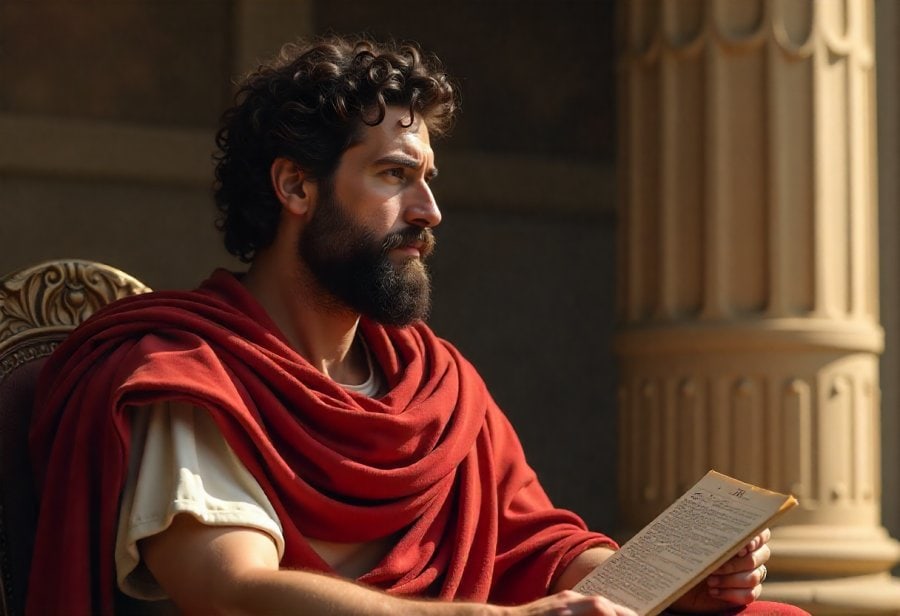
Marcus Aurelius’s Legacy: Leadership Rooted in Inner Virtue and Self-Control
Marcus Aurelius’s leadership provides a clear illustration of how inner strength can define a ruler more powerfully than external displays of authority. His writings in *Meditations* reveal a man deeply committed to self-awareness, humility, and mental resilience. Rather than boasting about military victories or territorial expansion, he reflected often on controlling his reactions and accepting life’s hardships with calm and dignity. These personal notes emphasize that internal discipline is the true source of strength—an approach that allowed him to lead with integrity amid chaos and adversity.
His ability to maintain composure during crises—wars, plagues, and political unrest—underscores his mastery of self. Portraits and historical accounts often depict him with a calm, contemplative expression, reinforcing the idea that external circumstances are fleeting. His internal resilience became his greatest asset, enabling him to face turmoil without losing his moral compass. This focus on inner steadiness made him a symbol of authentic leadership rooted in self-control and virtue.
*Meditations* is filled with reflections on virtue, patience, and humility. Marcus regularly considered the futility of anger and the importance of focusing on what is within our control—our thoughts and actions. These insights reveal a leader who understood that genuine strength arises from within, not from superficial displays of power. His internal resolve inspired those around him, earning respect not through dominance, but through moral consistency and calm authority.
Symbolically, Marcus Aurelius’s calm demeanor is captured in statues and reliefs that often show him seated in a meditative pose. These images reinforce the idea that his power was rooted in self-mastery, radiating outward to influence his leadership style. His unwavering focus on internal virtues made him a model of resilience—one who prioritized moral clarity over conquest or possessions. His example shows that true influence begins within and shapes how we lead and inspire others.
Today, Marcus’s example remains highly relevant. His emphasis on self-control and reflection encourages modern leaders and individuals alike to cultivate inner resilience. Developing habits of mindfulness, daily reflection, and moral discipline can help us govern ourselves more effectively, especially in turbulent times. His life demonstrates that the strongest leaders are those who master their own minds first—because real strength starts within and guides us through any storm.
In essence, Marcus Aurelius’s leadership illustrates that internal strength is the most enduring form of power. His calm, reflective approach to life and leadership proves that mastery over oneself creates a lasting impact. By embodying virtues like patience, humility, and wisdom, he led not with force but with quiet confidence—an example that continues to inspire those seeking authentic, resilient leadership rooted in inner discipline.
Cultivating Inner Resilience: Practical Steps to Develop Wisdom and Calm
Developing inner resilience and wisdom begins with small, consistent habits that reinforce self-awareness and emotional control. Starting each day with a few minutes of reflection or journaling helps clarify your intentions and keeps your core virtues in focus. These moments of pause create mental space, making it easier to respond thoughtfully rather than react impulsively when challenges arise. Over time, this practice becomes second nature, providing a stable foundation for facing setbacks with calmness and clarity.
Practicing mindfulness through breathing exercises or meditation can significantly strengthen your mental resilience. Focused breathing during stressful moments trains your mind to stay present and composed, even amid chaos. As this becomes habitual, your capacity to remain steady under pressure grows, inspiring confidence both in yourself and those around you. The key is consistency—regular practice builds a mental armor that shields you from reacting out of fear or frustration.
In addition to mindfulness, engaging in Stoic exercises like voluntary discomfort or negative visualization can toughen your mind. Facing small challenges intentionally—such as cold showers or delaying gratification—teaches patience and acceptance. Visualizing worst-case scenarios prepares your mind to accept adversity without despair, fostering a mindset that sees setbacks as opportunities for growth rather than threats. These mental rehearsals strengthen your ability to stay centered when real difficulties hit.
Building a support system also plays a vital role. Connecting with mentors, friends, or communities that share your values offers encouragement and accountability. Sharing challenges and insights creates a sense of collective purpose, reinforcing your commitment to inner discipline. These relationships remind you that resilience is cultivated through connection and shared effort, making the journey more sustainable and less isolating.
Transforming these practices into habits requires persistence. The more regularly you reflect, practice mindfulness, or confront small discomforts, the more resilient your mind becomes. Over time, what once demanded conscious effort becomes automatic—your default response to stress shifts to calm and clarity. This steady commitment turns resilience into a natural part of who you are, guiding your decisions and interactions with steady confidence.
Remember, cultivating inner discipline is a lifelong process. Each act of patience, each deliberate choice, adds to a reserve of strength that external circumstances cannot diminish. By embedding virtues like wisdom, humility, and resilience into daily routines, you create an inner core that sustains you through any storm. This ongoing effort not only fosters personal growth but also sets a powerful example for others, demonstrating that true strength begins within and is reinforced daily through intentional effort.
Lasting Wisdom: Embracing Inner Discipline as the Path to True Strength
Inner discipline remains one of the most enduring sources of true strength a person can cultivate. Unlike external achievements—titles, possessions, or superficial displays of power—inner resilience is quiet, steady, and deeply rooted in virtue. Marcus Aurelius showed us that genuine leadership isn’t about conquering lands but about mastering oneself. His writings in *Meditations* reveal a man committed to self-awareness, patience, and humility, qualities that carried him through wars, plagues, and political upheaval. These internal virtues don’t seek recognition; instead, they shape a leader’s influence and inspire trust over time.
Building this inner strength is a continuous journey, not a one-time effort. Daily habits like reflection, mindfulness, and deliberate challenges strengthen mental resilience gradually. Taking moments each day to pause and assess your thoughts creates space for thoughtful responses rather than impulsive reactions. Over time, these small acts reinforce a calm, clear mind that becomes your natural default, especially when facing setbacks or chaos. This steady practice transforms resilience from an abstract idea into a living part of who you are.
The core message is that true leadership rooted in inner discipline offers a stable foundation, even when external circumstances shift. It’s this internal resilience that allows us to remain calm and centered amid turbulence. Leaders who develop and embody these qualities foster authentic trust because their strength isn’t superficial or fleeting; it’s based on moral clarity and consistency. Their influence isn’t about dominance but about moral integrity—traits that endure beyond any external display of power.
Marcus Aurelius exemplified this approach perfectly. His life demonstrates that self-mastery and wisdom hold more influence than conquest or wealth. His calm demeanor during crises, his constant reflection on virtue, and his acceptance of fate reveal a leadership style grounded in internal strength. His example reminds us that the most impactful leaders are those who govern their own minds first. Cultivating inner discipline isn’t a quick fix; it’s a lifelong commitment that quietly shapes us into resilient, authentic leaders who can navigate any storm with dignity and purpose.
Fostering this kind of strength requires persistence and honest effort. Each act of patience and each deliberate choice builds a reserve of resilience that external challenges cannot diminish. When daily habits are aligned with virtues like wisdom, humility, and self-control, resilience becomes an integral part of our character. This ongoing process not only enhances personal growth but also serves as a powerful example for others—showing that true strength begins within and is reinforced through consistent, mindful effort.