In a world increasingly dominated by screens and digital connections, can the simple act of gardening together unlock deeper bonds and foster healing? ‘Roots of Resilience’ explores how nurturing life in a shared outdoor space creates more than just a thriving garden—it cultivates emotional resilience, trust, and meaningful relationships. Through the gentle rhythms of planting, watering, and tending, individuals find solace, purpose, and a sense of belonging that often eludes modern life. The book highlights how these collective acts of care promote mindfulness, reduce stress, and nurture mental well-being, especially when faced with life’s challenges. Yet, it also honestly addresses obstacles such as digital distractions, environmental setbacks, and differing expectations that can hinder connection. Ultimately, this work suggests that caring for nature is a powerful, accessible way to nurture our own emotional health and forge resilient bonds—reminding us that growth and healing flourish in patience, shared effort, and tender care.
Cultivating Bonds and Healing Through Shared Gardening
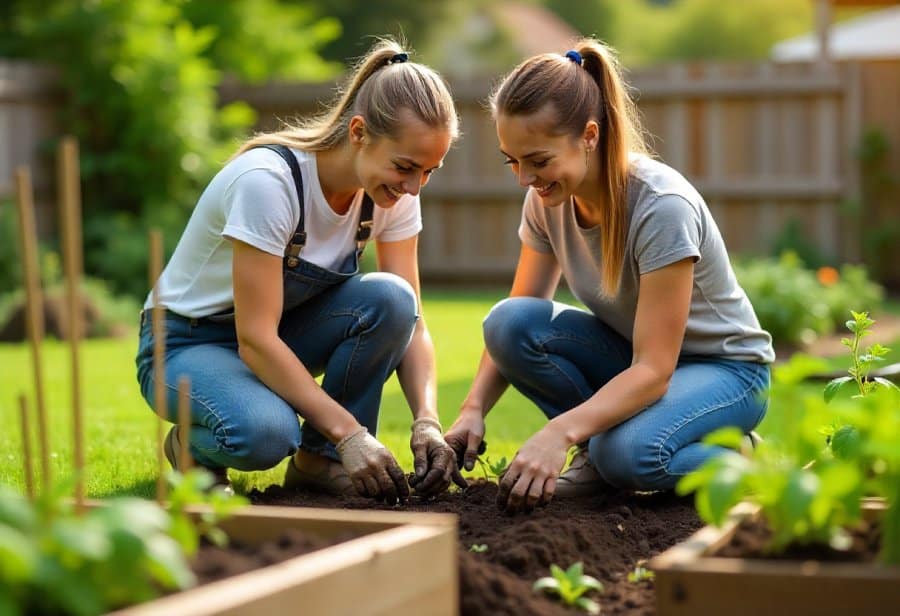
Gardening together is more than just a shared activity; it creates a space where emotional bonds can grow and healing can take root. When people work side by side in a garden, whether planting seeds or watering rows, they tap into a rhythm of patience and support that naturally encourages connection. These moments of cooperation foster communication that can be hard to access in everyday life, helping build trust and understanding without the need for words. It’s a simple activity, but one that profoundly nurtures relationships through mutual effort and shared purpose.
As we focus on caring for something alive, a sense of calm and stability starts to emerge. Watching plants grow and flourish under collective care offers a tangible reminder that relationships, like gardens, require time, attention, and patience to thrive. These shared experiences create a feeling of safety and belonging, making it easier to open up and connect on a deeper level. In a world where digital screens often replace face-to-face interactions, gardening provides an authentic way to nurture both the earth and our relationships.
Beyond the physical act, tending a garden together taps into something fundamental—our innate desire to nurture and be nurtured. This process encourages mindfulness, helping us slow down and focus on the present moment. Whether it’s the feel of soil between fingers or the sight of a sprout breaking through, these sensory experiences foster emotional well-being. Working in nature together creates an environment where emotions can surface naturally, supporting healing and resilience in gentle, unobtrusive ways.
Spending time outdoors with others also reminds us of our deep-rooted connection to nature. Stepping away from digital distractions and engaging with the natural world helps us reconnect with something more tangible and real. These moments of mindfulness and presence not only reduce stress but strengthen our sense of belonging. Over time, tending a garden becomes more than a hobby; it evolves into a meaningful ritual that promotes emotional healing and builds lasting bonds rooted in shared care.
Gardening as a shared activity underscores that growth—whether in plants or relationships—takes time and patience. These quiet acts of tending and supporting each other foster trust, patience, and understanding. They lay a foundation for stronger, more resilient connections that can withstand life’s challenges. In this way, gardening becomes a gentle but powerful act of nurturing the human spirit, proving that even in a busy, digital age, roots of resilience can flourish through simple acts of care.
Harnessing Nature’s Therapy to Boost Mental and Emotional Well-Being
Engaging with nature through gardening offers a profound boost to mental health. The simple routines of planting, watering, and caring shift our focus away from daily worries and bring us into the present moment. This connection to the natural world naturally reduces anxiety and cultivates emotional stability. Sunlight, a key element of outdoor care, increases serotonin levels, lifting mood and fostering a sense of happiness. Gardening becomes an accessible form of mental self-care, providing relief without the need for medication or therapy.
Caring for plants also instills a sense of purpose and achievement. Watching seedlings grow and flourish offers tangible proof of progress, boosting confidence and hope. The mindful act of tending to a garden encourages patience and attentiveness, helping to quiet mental clutter and manage feelings of depression or overwhelm. It’s a gentle, meditative practice in motion, allowing individuals to slow down and reconnect with themselves through sensory experiences like the feel of soil or the sight of new growth.
Physical activity is another vital aspect of gardening’s healing power. Moving in the garden—bending, digging, or pruning—gets the blood flowing and muscles engaged, releasing endorphins that naturally elevate mood. This combination of mental focus and physical movement nurtures overall well-being, making gardening a holistic approach to health that benefits both mind and body. The routine and rhythm involved create a calming effect, helping to manage stress and build resilience against mental health challenges.
Humans have an innate bond with nature, a connection deeply embedded in our evolution. Spending time outdoors, especially while tending to plants, taps into this natural affinity and provides a soothing, grounding experience. When shared with others, these outdoor activities deepen bonds, fostering a sense of community and mutual care. The act of nurturing life in the garden becomes more than a hobby; it transforms into a therapeutic ritual that helps restore balance and emotional stability.
Gardening also provides a safe space for emotional expression. The tactile engagement with soil and plants offers a non-verbal outlet for processing feelings like grief, trauma, or stress. In nurturing life, many find themselves nurturing parts of their emotional selves that need healing. Over time, this process builds emotional resilience, reinforcing patience, perseverance, and hope. Gardening’s gentle, ongoing act of care becomes a quiet yet powerful form of outdoor therapy, supporting overall mental health and fostering lasting well-being.
Overcoming Barriers and Challenges in Garden-Based Connection
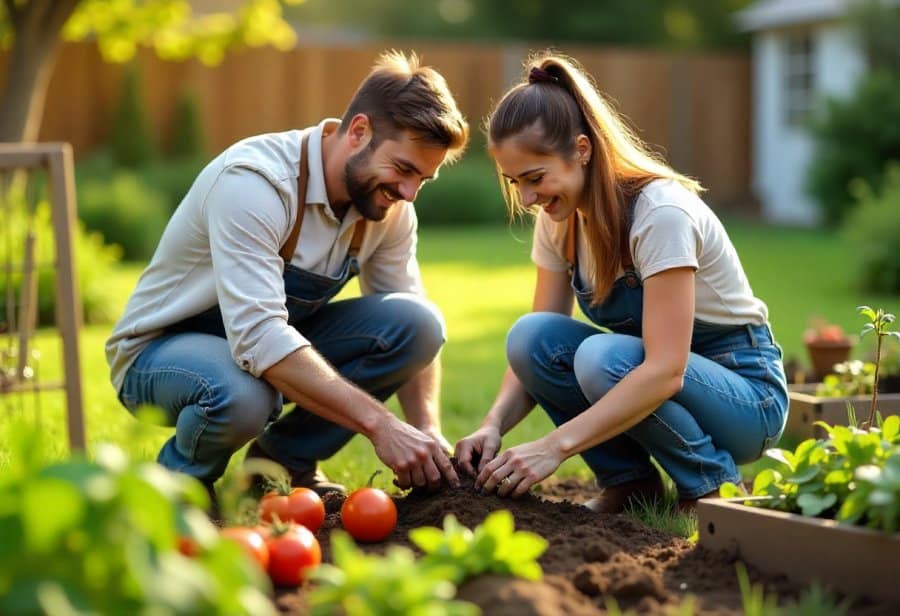
Gardening as a bonding activity isn’t without its hurdles. Digital distraction is a common obstacle; even when people are outside tending to plants together, smartphones and notifications can pull attention away from the task—and from each other. This digital disconnect can hinder the full experience of connection, making it harder to be present and engaged. Finding ways to limit screen time and stay focused on the shared activity is essential to maximize the bonding benefits of gardening.
Differences in skill levels or experience can also create tension. When one person feels more confident or knowledgeable, it might lead to frustration or insecurity for the other. These imbalances can unintentionally undermine the calming and trust-building aspects of gardening. Approaching the activity with patience and setting realistic expectations helps turn these differences into opportunities for mutual learning and support, strengthening relationships rather than causing strain.
Environmental factors pose additional challenges. Unpredictable weather, pests, or limited space can make outdoor gardening frustrating or unpredictable. Bad weather might force plans to change suddenly, and pests can damage plants, leading to disappointment. These setbacks can sometimes cause disagreements or diminish enthusiasm. Emphasizing flexibility and focusing on the process rather than perfect results helps keep the experience positive despite obstacles.
Access remains a concern, especially for those in urban environments or without outdoor space. Not everyone has a yard or garden to work with, which can limit opportunities for shared gardening activities. However, solutions like container gardening, community plots, or indoor green projects can help bridge this gap. Making gardening accessible in different settings ensures more people can experience its bonding and healing potential.
Conflicting expectations can also create barriers. Some might envision a lush, productive garden, while others seek a peaceful, relaxing space. These differing goals can lead to disagreements about design, routines, or care. Open communication and shared planning are key to aligning expectations and maintaining harmony, ensuring everyone feels invested and valued.
Finally, gardening requires time and patience, which can be hard to find in busy schedules. For many, fitting regular gardening sessions into their routines is a challenge, especially when juggling work, family, and other commitments. Starting small, with manageable tasks, and adopting a relaxed pace can make gardening a sustainable activity that continues to nurture connection and healing over the long term.
Integrating Gardening Into Daily Life and Community Programs for Lasting Impact
Shared gardening activities easily integrate into daily routines and community initiatives, making their benefits widely accessible. Even a small patch of soil on a balcony or windowsill can become a calming, ongoing ritual of care and connection. Tending to vegetables, herbs, or flowers regularly fosters a sense of shared responsibility and patience, turning gardening into a meaningful routine that naturally encourages ongoing interaction and support. These small acts of nurturing provide opportunities for teamwork, mutual encouragement, and shared pride as plants grow and flourish.
Community programs like urban gardens, school projects, and neighborhood green spaces serve as inclusive platforms for collective effort. When neighbors and volunteers come together to care for shared spaces, they build bonds rooted in trust and social connection. These initiatives often help bridge social divides, especially in cities where outdoor engagement might be limited. Working side by side in these green spaces not only promotes mental well-being but also cultivates a sense of belonging and collective pride in community achievements.
Incorporating gardening into everyday life and community efforts supports a broader shift toward valuing outdoor activity and nature-based healing. Workplace garden programs provide employees with restorative breaks, boosting morale and fostering camaraderie. Schools that implement gardening projects teach children responsibility, patience, and teamwork—lessons that extend well beyond the garden bed. These practices help embed outdoor therapy into various aspects of life, making caring for plants a natural and ongoing way to support emotional health.
Community gardens and therapeutic green spaces often serve diverse groups, including those who might feel excluded from outdoor activities. These shared spaces become gathering points where people of different ages, backgrounds, and abilities come together, learn from one another, and bond through collective effort. Watching the garden thrive because of shared labor reinforces a sense of achievement and belonging, strengthening social cohesion and resilience in neighborhoods and towns.
Beyond physical and emotional benefits, these shared gardening efforts foster a collective identity and purpose. Observing a flourishing garden as a team builds confidence and pride, reinforcing a sense of contribution. Over time, these routines can evolve into cherished traditions that deepen community ties and promote mental well-being. As relationships strengthen through shared care, they become more resilient against stress and adversity, much like a garden that needs consistent tending to thrive.
Turning gardening into a regular part of daily life and community programs transforms it from a simple activity into a powerful tool for connection and healing. It creates opportunities for meaningful interactions, promotes inclusivity, and nurtures a sense of shared purpose. These collective efforts demonstrate that caring for nature is also caring for each other, cultivating environments where emotional well-being can flourish alongside the plants. In this way, tending a garden together becomes a quiet yet profound act of nurturing resilience—both in the soil and in human relationships. For more on this topic, the Mayo Clinic highlights how gardening can support health, reduce stress, and connect us with nature. Click here to read the full article.
Reflecting on Growth, Connection, and Healing in the Garden of Relationships
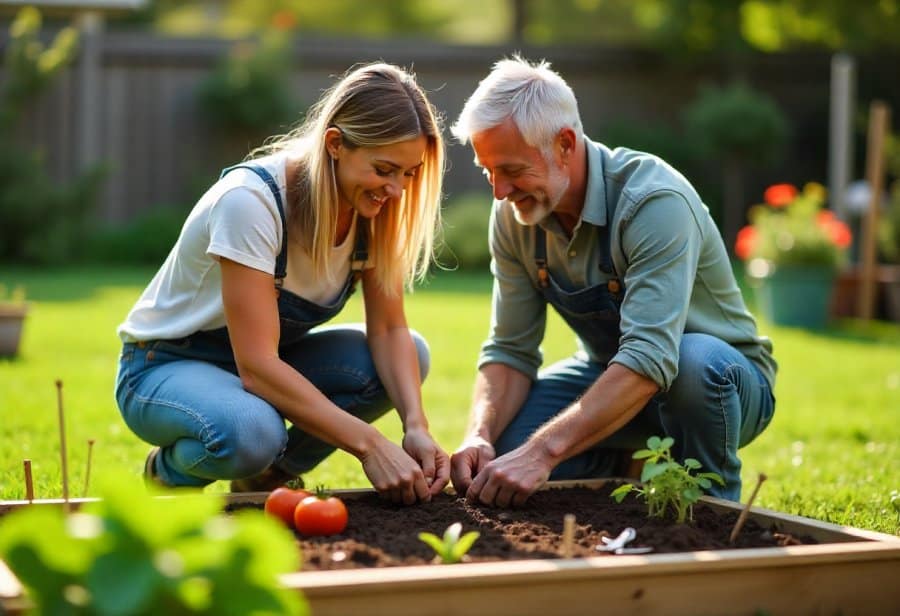
Tending a garden together goes beyond simply growing plants; it cultivates a space where healing, trust, and genuine connection can flourish. When people work side by side outdoors, they tap into a fundamental human instinct to nurture and be nurtured, laying the groundwork for emotional resilience. These shared efforts foster patience and understanding, reminding us that growth—whether in relationships or in plants—takes time and attentive care. The quiet acts of planting, watering, and harvesting build a sense of shared purpose that deepens bonds and nurtures trust.
This collective act of caring highlights how small gestures can serve as powerful catalysts for rebuilding relationships. Watching a garden thrive because of teamwork provides a tangible sense of achievement and pride. These moments reinforce feelings of contribution and belonging, making open communication and mutual support easier in everyday life. As the garden blossoms, so do the connections that sustain us, rooted in shared effort and patience.
Connecting with nature in this way taps into a deep-seated need for harmony and belonging. Stepping outside to work together allows us to momentarily detach from the noise and distractions of digital life, reconnecting with something more tangible and real. These experiences foster mindfulness, encouraging us to slow down and be present with each other. In a fast-paced world, tending a garden becomes a calming ritual—one that strengthens emotional stability and a sense of community.
The benefits extend beyond the immediate act of gardening. Spending time in nature reduces stress and lifts spirits, especially when shared with others. The process of nurturing life in the garden nurtures resilience, patience, and hope—values that ripple into daily interactions. It reminds us that growth takes time and that perseverance and care are vital not just for plants but for meaningful relationships.
As bonds deepen through shared effort, they become more resilient against life’s inevitable challenges. The garden, with its cycles of growth and renewal, stands as a symbol of this resilience. It teaches that caring for others requires ongoing attention, much like tending to a plant. These quiet acts of nurture foster trust and understanding, creating a foundation for lasting connections. Engaging in this shared process offers a gentle but profound way to promote emotional well-being and social cohesion.
Turning gardening into a regular part of life and community programs transforms it from a simple activity into a powerful tool for connection. It offers a way to foster meaningful interactions, promote inclusivity, and nurture a shared sense of purpose. Caring for nature becomes caring for each other, building environments where emotional health and resilience can flourish side by side with the plants.
In the end, tending a garden together reminds us that healing and connection often grow from small, consistent acts of care. It shows that nurturing relationships doesn’t require grand gestures but genuine presence and patience. These quiet moments of tending—whether in soil or in human hearts—create bonds that can withstand adversity and foster hope. By embracing this shared act of growth, we find a timeless pathway to reconnect, heal, and flourish together.