Explore the timeless allure of hero archetypes through the contrasting tales of Odysseus and Batman, two figures separated by millennia yet united by core virtues. Odysseus embodies Greek ideals of cleverness, resilience, and loyalty—traits that reflect ancient society’s admiration for strategic intelligence and perseverance amid divine chaos. Conversely, Batman symbolizes modern heroism rooted in internal resilience, moral ambiguity, and psychological strength, mirroring contemporary fears of societal decay and internal moral struggles. This analysis reveals how hero stories serve as mirrors of their cultures, evolving from divine favor and external power in antiquity to internal morality and resilience today. The narrative delves into recurring themes—cunning, perseverance, moral complexity—and how these motifs highlight shifting societal values. As hero archetypes continue to adapt in response to societal challenges, they remind us that heroism remains a dynamic reflection of human hopes, fears, and aspirations—always rooted in resilience and strategic thinking, yet forever evolving.
Article Contents
Unveiling the Evolution of Hero Archetypes: From Odysseus to Batman
Hero archetypes are more than just stories; they serve as mirrors reflecting the values, fears, and hopes that define a society. These symbols help us understand what qualities a culture admires and what challenges it seeks to overcome. Over time, hero stories adapt, revealing how societies interpret resilience, morality, and strategic thinking in different eras. By examining these figures, we see how heroism evolves alongside human experience, shaping and being shaped by cultural priorities.
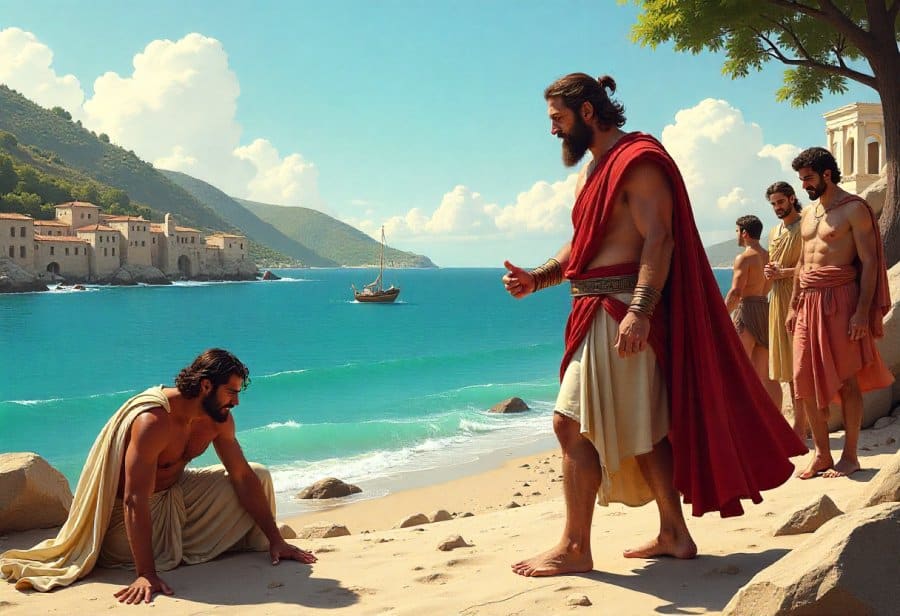
Looking back to ancient Greece, heroes like Odysseus personified traits such as cleverness, resilience, and loyalty. His ability to outwit gods and monsters showcased the Greek admiration for strategic intelligence and endurance. His story emphasized that heroism involves not only strength but also cunning and perseverance—qualities that reinforced societal ideals of stability through human ingenuity. These stories served as a moral blueprint, highlighting the importance of loyalty to family and homeland.
Fast forward to modern times, and the hero archetype has shifted toward internal resilience and moral complexity. Batman, created in 1939, exemplifies a different set of heroic qualities—psychological strength, moral ambiguity, and strategic adaptability. His relentless fight against Gotham’s chaos reflects contemporary concerns about societal decay and the importance of internal moral resilience. Unlike mythic heroes driven by divine favor, modern heroes operate in a world where internal virtues and moral choices shape their actions.
Despite the differences, Odysseus and Batman share core qualities that transcend their contexts. Both embody resilience and strategic intelligence—Odysseus’s cleverness and unwavering determination helped him survive divine and mortal threats, while Batman’s mental toughness and tactical skills enable him to confront Gotham’s darkness. Their stories reveal that heroism isn’t solely about physical prowess; it’s also about perseverance, adaptability, and the capacity to confront adversity head-on.
Examining these archetypes illuminates how hero stories serve as cultural barometers. Odysseus’s cunning and endurance reflect Greek values of loyalty and perseverance, while Batman’s moral complexity and resilience mirror modern fears of societal collapse and internal struggles. These stories underscore that heroism is a dynamic concept, constantly reshaping itself to meet societal needs—yet always rooted in universal qualities like resilience and strategic thinking.
Ultimately, hero archetypes reveal more than individual character traits; they embody the collective ideals and anxieties of their times. From divine favor and cleverness in ancient Greece to internal resilience and moral nuance today, these figures demonstrate how societies define strength and virtue. They remind us that heroism is a living, adaptable concept—one that continues to evolve as we navigate the changing landscape of human hopes, fears, and values.
Foundations of Heroism: Core Traits That Define True Heroes
Heroism isn’t just about bravery or physical strength; it’s built on a set of core traits that help us understand what truly makes someone heroic. Resilience is fundamental—heroes face setbacks, failures, and dangers, yet they keep moving forward. It’s about bouncing back from adversity and staying focused on their goals, whether that’s Odysseus enduring years of peril or Batman confronting Gotham’s darkness. Without resilience, heroism crumbles in the face of obstacles.
Morality also plays a key role. Heroes are guided by a sense of right and wrong, though the nature of their morality can vary—from straightforward virtue to moral ambiguity. Odysseus’s loyalty and sense of honor reflect societal values of fidelity and perseverance, while Batman’s internal moral struggles highlight modern dilemmas about justice and ethical boundaries. These traits shape their decisions and actions in ways that resonate with their audiences.
Cunning, or strategic intelligence, is equally vital. Heroes often need to think quickly, deceive enemies, or outsmart opponents to succeed. Odysseus’s legendary cleverness in devising plans and disguises exemplifies this trait, as does Batman’s layered tactics and technological ingenuity. Mental agility becomes a hero’s greatest weapon, often turning the tide in their favor when brute strength isn’t enough.
Ambition drives heroes beyond their limits. Odysseus’s desire to return home and restore his honor fuels his long journey, while Batman’s relentless pursuit of justice pushes him into moral gray areas. Ambition is what propels these characters to persevere despite overwhelming odds, transforming mere survival into acts of heroism rooted in a deeper sense of purpose.
These traits—resilience, morality, cunning, and ambition—form a flexible framework for analyzing heroic characters across different cultures and eras. They reveal how each hero embodies the values and fears of their time, offering insight into what societies admire and fear. Recognizing these qualities helps us understand why certain traits resonate universally, even as their expressions adapt to specific contexts.
Examining these core qualities also clarifies how heroes respond to their challenges. Resilience isn’t just about bouncing back; it’s about enduring and evolving in ways that define their heroism. Odysseus’s ability to survive divine temptations and mortal threats illustrates this well, as does Batman’s psychological strength in overcoming personal trauma. Both show that mental toughness and strategic thinking are just as crucial as external power.
This framework makes it clear that heroism is a dynamic set of qualities rooted in human nature. While traits like resilience and cunning are timeless, their manifestations shift according to societal needs—divine favor and cleverness in ancient Greece, internal resilience and moral complexity today. Understanding these traits offers a clearer picture of what makes heroes inspiring across different cultures and eras.
Finally, these traits reflect broader societal values. Resilience and cunning mirror hopes for survival amid chaos, while morality reveals collective beliefs about justice and virtue. Hero stories, therefore, serve as mirrors of their times, illustrating the virtues and anxieties that shape cultural identity. Through this lens, heroism remains a vital way for societies to explore their collective aspirations and struggles.

Themes and Motifs: What Heroes Reveal About Culture and Values
Heroes like Odysseus and Batman are defined not just by their actions but by the recurring themes and motifs that reveal what each represents to their culture. Odysseus’s story is rich with symbols of cleverness, endurance, and loyalty—traits that highlight Greek values of intelligence and perseverance. His ability to outwit gods and monsters underscores a theme of strategic mastery in chaos, emphasizing that wit and resilience are vital to survival. Conversely, Batman’s narrative centers on themes of justice, moral ambiguity, and internal resilience. His relentless fight against Gotham’s villains reflects modern concerns about societal decay and internal moral struggles, portraying heroism as a moral gray area rather than clear-cut virtue.
Odysseus vividly embodies ancient Greek ideals; his resourcefulness and steadfast loyalty mirror Greek society’s admiration for cleverness and fidelity. His ability to navigate divine wrath and mortal dangers through deception and endurance illustrates how Greeks valued strategic thinking and perseverance. Loyalty to his family and homeland underscores a cultural emphasis on honor and fidelity, shaping Odysseus into a hero rooted in societal virtues. Meanwhile, Batman’s character resonates with contemporary fears—urban crime, chaos, and corruption. His moral complexity, balancing personal ethics with the fight against societal decay, reflects modern debates about justice and the limits of morality.
Both heroes navigate moral ambiguity, but they do so in different ways that reveal their cultural contexts. Odysseus’s use of deception and morally questionable tactics aligns with a society that prioritized loyalty and cleverness over strict morality. His actions show that heroism often involves bending rules to achieve a greater good. Batman, operating outside traditional law, exemplifies how modern heroism often involves internal moral struggles. His choices—sometimes violent, sometimes morally gray—highlight a shift toward valuing resilience and moral resilience in a world where clear-cut answers are rare.
Despite their differences, the themes that define these heroes connect deeply. Resilience remains central, whether Odysseus enduring storms and divine temptations or Batman recovering from personal trauma. Both characters demonstrate that true heroism involves mental toughness and the ability to adapt in the face of chaos. Their stories serve as cultural mirrors—Odysseus’s strategic endurance reflects Greek ideals of perseverance, while Batman’s internal resilience embodies modern concerns about moral complexity and psychological strength.
These motifs also reveal how hero stories function as societal reflections. Odysseus’s cleverness and endurance symbolize hope that human ingenuity can triumph over divine and mortal chaos. Batman’s themes of justice and resilience mirror contemporary anxieties about societal stability and internal struggles. Their stories, filled with recurring symbols of struggle and perseverance, show how cultural fears and aspirations shape the hero archetype. They remind us that heroism is not just about overcoming external threats but also about navigating internal moral landscapes.
As these themes continue to resonate, they demonstrate that heroism adapts to the core values and challenges of each era. Whether through Odysseus’s cunning or Batman’s resilience, the motifs that define hero stories reveal much about what societies cherish and fear. These recurring ideas underscore that heroism remains a vital way for cultures to explore their collective identity—highlighting resilience, strategy, and moral strength as enduring virtues. Moving forward, these themes will undoubtedly evolve, but their roots in human ambition and struggle will remain central to our understanding of heroism.
These comparisons highlight how hero stories continue to adapt to the cultural values of their time. For a deeper understanding of these differences, consider exploring a comparative analysis of odysseus and batman’s heroism traits that sheds light on how ancient Greek values are reflected in Odysseus’s character.
From Mythic to Modern: The Dynamic Journey of Hero Archetypes
The way hero archetypes have evolved over time reflects the shifting values, fears, and hopes of society. In ancient Greece, heroes like Odysseus were celebrated for divine favor, physical prowess, and cleverness. These stories revolved around gods intervening in mortal affairs, emphasizing luck, fate, and the importance of external strength. Heroes of that era embodied resilience and strategic intelligence, serving as symbols of human endurance in the face of divine and mortal chaos. Their stories reinforced societal ideals of loyalty, honor, and perseverance, becoming moral blueprints for generations.
As civilizations grew more complex, hero stories shifted toward internal struggles, moral ambiguity, and psychological depth. Medieval knights, for instance, blended martial skill with a sense of moral duty, often facing dilemmas about loyalty and faith. During the Renaissance, explorers and adventurers embodied curiosity and ambition, reflecting a society eager to challenge boundaries and expand its horizons. These figures became more psychologically layered, mirroring a growing understanding of human nature and morality, highlighting internal virtues over divine intervention.
With the rise of modern media, hero archetypes took on new dimensions. The urban vigilante, epitomized by Batman, emerged in the 20th century, representing fears of societal breakdown and corruption. Unlike mythic heroes of the past, Batman’s story is rooted in trauma, internal resilience, and moral complexity. He operates in a world where internal strength and strategic thinking matter more than divine favor or superhuman abilities. This shift mirrors urbanization, technological progress, and a society increasingly concerned with moral gray areas, justice outside traditional institutions, and psychological resilience.
Throughout history, heroes have mirrored their times—divine and external power in ancient Greece, internal moral and psychological struggles today. Their stories serve as reflections of cultural priorities, revealing what societies value and fear most. From divine favor and cleverness to moral ambiguity and internal resilience, each era’s heroes embody the core traits necessary to confront their unique chaos. Their evolution underscores that heroism is not static but a dynamic concept, constantly adapting to meet the demands of human experience.
This ongoing transformation highlights that hero archetypes are flexible symbols rooted in human nature. As societal challenges evolve—whether divine, moral, or psychological—so too do the stories of our heroes. Today’s heroes may emphasize empathy, moral resilience, and collaboration, moving beyond traditional notions of strength. Their stories continue to serve as mirrors, reflecting not only what we aspire to but also what we fear. The evolution from mythic figures to complex modern characters reveals that heroism, at its core, remains a testament to human resilience and the enduring quest to confront chaos and find meaning in adversity.
Future of Heroism: Evolving Traits in a Changing World
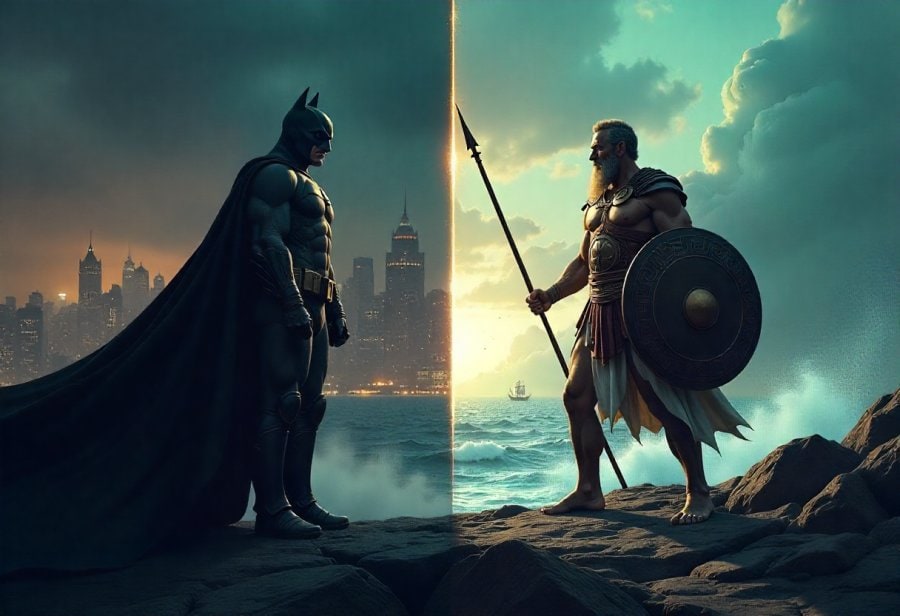
The study of hero archetypes like Odysseus and Batman reveals how deeply our stories mirror societal values, fears, and aspirations. As cultures evolve, so do their heroes. In ancient Greece, heroes such as Odysseus embodied qualities like cleverness, resilience, and loyalty—traits that reinforced societal ideals of endurance and strategic thinking. Today’s heroes, exemplified by Batman, highlight internal resilience, moral complexity, and justice beyond traditional authority. This shift demonstrates how hero stories adapt to reflect the changing concerns of their time, serving as a mirror for collective identity.
Examining these figures across vastly different eras shows that core qualities like resilience, strategic intelligence, and moral ambiguity remain central. Odysseus’s cunning and perseverance helped him survive divine and mortal challenges, emphasizing human ingenuity and loyalty in Greek culture. Conversely, Batman’s resilience, both mental and emotional, drives him to confront Gotham’s chaos, often operating in moral gray areas. These traits resonate universally because they embody human virtues that transcend specific contexts, illustrating how hero archetypes serve as tools for societies to project their hopes and fears.
The evolution from mythic to modern heroes also reflects broader societal shifts. Ancient stories celebrated divine favor and external strength, reinforcing the idea that overcoming chaos required external power. Over time, heroism has come to emphasize internal virtues—moral resilience, psychological strength, and strategic adaptability. Heroes like Batman symbolize this transition, embodying the modern belief that true power lies within, especially when facing internal struggles and societal decay. These stories remind us that heroism is a dynamic, adaptable concept rooted in human resilience and moral agency.
Looking ahead, future explorations of hero archetypes will likely consider how technological progress, globalization, and social change influence new heroic models. As society confronts challenges like climate change, mental health crises, and social justice issues, heroes may become more diverse, empathetic, and morally nuanced. We might see heroes who prioritize collaboration, emotional intelligence, and moral innovation—reflecting a world that values inclusivity and internal strength as much as external heroism. Such shifts will continue to keep hero stories relevant, capturing the complexities of our evolving human experience.
Remembering that stories are never static highlights their role as mirrors of human growth. The transition from divine, mythic figures to psychologically complex characters underscores that heroism is fundamentally about resilience—internal and external—and the capacity to adapt in adversity. Whether rooted in ancient myth or modern urban life, heroes symbolize our ongoing effort to confront chaos, protect what matters, and strive for a better future. Their stories remain vital guides, illuminating the enduring human drive to overcome struggles and find meaning amid uncertainty.